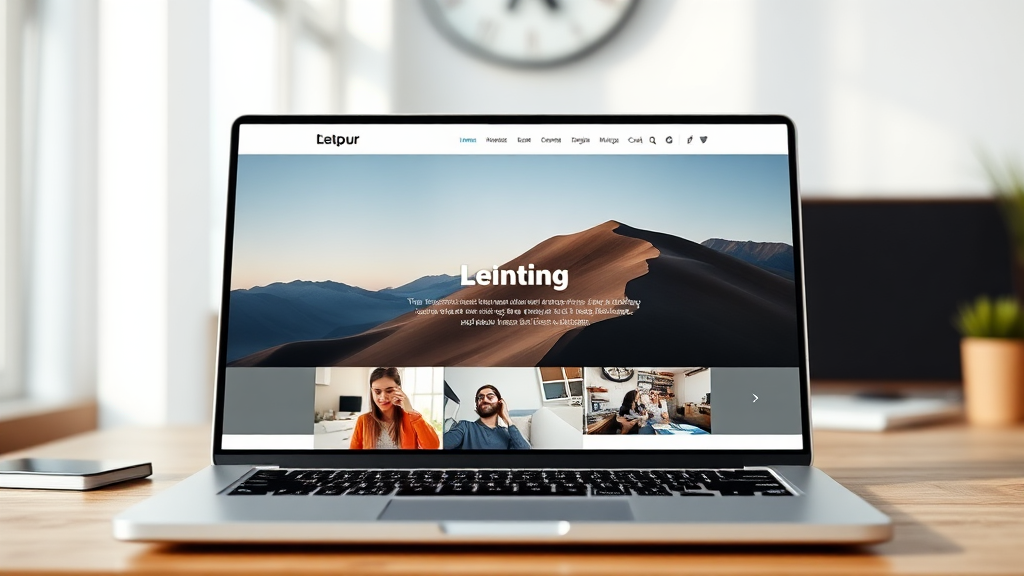
Building a personal website has never been more accessible—or more important. Whether you’re a freelancer showcasing your portfolio, a professional establishing your online presence, or an entrepreneur launching your brand, knowing how to build a personal website from scratch is an invaluable skill in 2026.
In this comprehensive guide, we’ll walk you through every step of creating a professional personal website, from choosing the right platform to publishing your first page. No coding experience required.
Why You Need a Personal Website in 2026
Social media profiles aren’t enough anymore. A personal website gives you:
- Complete control: You own the platform, not a social media company
- Professional credibility: 75% of consumers judge a business’s credibility based on website design
- SEO benefits: Rank for your name and expertise areas
- Centralized portfolio: One place to showcase all your work
- Email list building: Direct communication with your audience
- Monetization opportunities: Sell products, services, or courses
According to a 2025 survey, professionals with personal websites earn 30% more on average than those without. Your website is your digital headquarters.
Step 1: Define Your Website’s Purpose
Before choosing tools or designs, clarify what you want to achieve:
Common Personal Website Types
Portfolio Website
- Best for: Designers, photographers, developers, writers
- Key features: Project gallery, case studies, contact form
- Examples: Behance profiles, Dribbble portfolios
Professional/Business Card Site
- Best for: Consultants, coaches, executives
- Key features: Bio, services, testimonials, contact info
- Examples: Personal branding sites
Blog/Content Site
- Best for: Writers, thought leaders, educators
- Key features: Blog posts, newsletter signup, about page
- Examples: Substack alternatives, personal blogs
E-commerce/Store
- Best for: Artists, creators, product sellers
- Key features: Product pages, shopping cart, payment processing
- Examples: Etsy alternatives, direct-to-consumer stores
Resume/CV Website
- Best for: Job seekers, career changers
- Key features: Work history, skills, downloadable resume
- Examples: Interactive resumes
Action step: Write down your primary goal in one sentence. Everything else flows from this.
Step 2: Choose Your Website Building Platform
This is one of the most important decisions. Here are the best options for 2026:
1. WordPress.org (Self-Hosted) – Best Overall
Price: $3-15/month (hosting) + domain ($12-15/year)
Pros
- Complete ownership and control
- Unlimited customization with 60,000+ plugins
- Best for SEO and scalability
- Huge community and resources
- Own your data completely
Cons
- Steeper learning curve
- Responsible for updates and security
- Requires separate hosting
Best For
- Serious bloggers and content creators
- Those wanting full control
- Long-term growth plans
Recommended Hosting
- Bluehost: Best for beginners ($2.95/month)
- SiteGround: Best performance ($3.99/month)
- WP Engine: Premium managed WordPress ($20/month)
2. Squarespace – Best for Design
Price: $16-49/month (includes hosting)
Pros
- Stunning, professional templates
- All-in-one solution (hosting included)
- Drag-and-drop editor
- Excellent customer support
- Built-in SEO tools
Cons
- Less flexible than WordPress
- Can’t switch platforms easily
- More expensive long-term
Best For
- Creatives and portfolios
- Small business websites
- Those prioritizing design
3. Wix – Easiest for Beginners
Price: $16-45/month (includes hosting)
Pros
- True drag-and-drop freedom
- 500+ templates
- AI website builder available
- No technical skills needed
- App market for extensions
Cons
- Can’t change templates after publishing
- Slower performance
- Ads on free plan
Best For
- Complete beginners
- Simple websites
- Quick launches
4. Webflow – Best for Designers
Price: $14-39/month (includes hosting)
Pros
- \li>Professional-grade design tools
- Clean, semantic code output
- Great for custom interactions
- Hosting included
\li>Powerful CMS
Cons
- Steep learning curve
- Expensive for multiple sites
- Overkill for simple sites
Best For
- Web designers
- Custom, unique designs
- Those with some technical knowledge
5. Carrd – Best for One-Page Sites
Price: Free or $19/year (Pro)
Pros
- Extremely simple and fast
- Perfect for landing pages
- Very affordable
- Mobile-optimized
Cons
- Limited to one-page sites
- Basic features only
Best For
- Link-in-bio pages
- Simple landing pages
- Personal business cards
Platform Comparison Table
| Platform | Price/Mo | Ease | Flexibility | Best For |
|---|---|---|---|---|
| WordPress.org | $3-15 | Medium | Unlimited | Long-term growth |
| Squarespace | $16-49 | Easy | High | Design-focused |
| Wix | $16-45 | Very Easy | Medium | Beginners |
| Webflow | $14-39 | Hard | Very High | Designers |
| Carrd | $0-2 | Very Easy | Low | One-page sites |
Our recommendation: For most people, WordPress.org offers the best balance of control, flexibility, and cost. Choose Squarespace if design is your top priority and you want simplicity.
Step 3: Choose and Register Your Domain Name
Your domain name is your online address. Make it count.
Domain Name Best Practices
- Keep it short: Under 15 characters ideal
- Make it memorable: Easy to spell and pronounce
- Use .com when possible: Most recognized extension
- Include your name or brand: YourName.com or BrandName.com
- Avoid numbers and hyphens: Confusing when spoken
- Think long-term: Choose something that will grow with you
Where to Register Your Domain
- Namecheap: Best overall ($8-13/year)
- Google Domains (now Squarespace): Simple interface
- Porkbun: Transparent pricing, fun brand
- Cloudflare: At-cost pricing, great security
Domain Name Ideas by Type
- Personal brand: FirstNameLastName.com, FirstName.com
- Portfolio: YourNameDesigns.com, YourNameCreates.com
- Blog: YourNameWrites.com, TheYourNameBlog.com
- Business: YourBrandName.com, GetYourBrand.com
Pro tip: Buy multiple extensions (.com, .net, .io) to protect your brand. Cost is minimal compared to the risk of someone else using them.
Step 4: Set Up Your Website
Let’s build your site! We’ll use WordPress.org as our example (most popular choice).
Installing WordPress (With Bluehost Example)
- Sign up for hosting: Go to Bluehost.com and choose a plan
- Register your domain: Enter your desired domain name during signup
- Complete account setup: Enter your information and payment
- Install WordPress: Bluehost offers one-click installation
- Log into WordPress: YourSite.com/wp-admin
Essential WordPress Settings
Go to Settings → General:
- Set Site Title and Tagline
- Ensure WordPress Address and Site Address are correct
- Set timezone to your location
Go to Settings → Permalinks:
- Select “Post name” for clean URLs (YourSite.com/about)
- Click Save Changes
Go to Settings → Reading:
- Choose homepage display (latest posts or static page)
- Uncheck “Discourage search engines” when ready to launch
Choosing and Installing a Theme
Your theme controls your site’s appearance.
Free Theme Options
- Astra: Fast, lightweight, highly customizable
- Kadence: Modern, great for blogs
- GeneratePress: Performance-focused
- OceanWP: Feature-rich free version
Premium Theme Options
- Divi: Visual builder included ($89/year)
- Elementor Pro: Most popular page builder ($59/year)
- GeneratePress Premium: Speed + features ($59/year)
How to Install a Theme
- Go to Appearance → Themes → Add New
- Search for your theme (e.g., “Astra”)
- Click Install → Activate
- Go to Appearance → Customize to configure
Step 5: Create Essential Pages
Every personal website needs these core pages:
1. Homepage
Your digital first impression. Include:
- Clear headline stating who you are and what you do
- Brief introduction (2-3 sentences)
- Call-to-action (View Portfolio, Contact Me, Read Blog)
- Professional photo
- Social proof (logos, testimonials, metrics)
2. About Page
People connect with stories, not resumes. Include:
- Your story and journey
- What makes you unique
- Your values and approach
- Personal touches (hobbies, interests)
- Professional photo (friendly, approachable)
- Call-to-action
Writing tip: Write like you’re talking to a friend, not reciting a CV.
3. Portfolio/Work Page
Showcase your best work:
- 6-12 featured projects maximum
- Case study format: Challenge → Solution → Results
- High-quality images or screenshots
- Links to live projects
- Client testimonials when possible
4. Services/Offerings Page
If you offer services, be clear:
- List each service with description
- Include pricing or “Starting at” prices
- Explain your process
- Include FAQ section
- Clear next step (Contact, Book Call, etc.)
5. Contact Page
Make it easy to reach you:
- Contact form (use WPForms or Contact Form 7)
- Email address
- Social media links
- Response time expectation
- Optional: Calendar booking link (Calendly)
6. Blog (Optional but Recommended)
Establish expertise and improve SEO:
- Consistent posting schedule
- Topics relevant to your audience
- Shareable, valuable content
- Internal linking between posts
Step 6: Install Essential Plugins
Plugins extend WordPress functionality. Don’t overdo it—quality over quantity.
Must-Have Plugins
1. Yoast SEO or Rank Math
- Purpose: Search engine optimization
- Features: Meta tags, XML sitemaps, content analysis
- Price: Free (premium available)
2. Wordfence Security
- Purpose: Website security
- Features: Firewall, malware scanning, login protection
- Price: Free (premium available)
3. UpdraftPlus
- Purpose: Backups
- Features: Automated backups, cloud storage integration
- Price: Free (premium available)
4. WP Rocket or W3 Total Cache
- Purpose: Speed optimization
- Features: Caching, minification, lazy loading
- Price: WP Rocket: $59/year; W3 Total Cache: Free
5. Elementor or Gutenberg Blocks
- Purpose: Page building
- Features: Drag-and-drop design
- Price: Elementor: Free (Pro: $59/year)
6. MonsterInsights
- Purpose: Google Analytics integration
- Features: Traffic tracking, user behavior
- Price: Free (premium available)
How to Install Plugins
- Go to Plugins → Add New
- Search for plugin name
- Click Install Now → Activate
- Configure settings per plugin documentation
Step 7: Design and Customize
Make your site visually appealing and on-brand.
Design Best Practices
- Choose a color palette: 2-3 primary colors maximum
- Select readable fonts: 2 fonts max (heading + body)
- Use white space: Don’t crowd elements
- Ensure mobile responsiveness: Test on phone and tablet
- Maintain consistency: Same style across all pages
- Optimize images: Compress before uploading
Color Psychology Quick Guide
- Blue: Trust, professionalism (corporate, finance)
- Green: Growth, health (wellness, environment)
- Black: Luxury, sophistication (high-end, fashion)
- Orange: Energy, creativity (creative industries)
- Purple: Wisdom, creativity (coaching, education)
Typography Tips
- Body text: 16-18px minimum for readability
- Headings: Clear hierarchy (H1 > H2 > H3)
- Line height: 1.5-1.6 for comfortable reading
- Font pairings: Serif heading + Sans-serif body (or vice versa)
Step 8: Optimize for Search Engines (SEO)
Get found by people searching for what you offer.
On-Page SEO Checklist
- ✓ Include target keyword in page title
- ✓ Write unique meta description (150-160 characters)
- ✓ Use H1, H2, H3 heading structure
- ✓ Add alt text to all images
- ✓ Internal link to related pages
- ✓ Ensure fast page load speed (under 3 seconds)
- ✓ Make mobile-friendly (responsive design)
- ✓ Use clean, descriptive URLs
Local SEO (If Applicable)
- Create Google Business Profile
- Include city/region in content
- Add contact info to footer
- Get listed in local directories
Technical SEO
- Install SSL certificate (HTTPS)
- Submit sitemap to Google Search Console
- Set up Google Analytics
- Ensure proper indexing
Step 9: Test Before Launching
Don’t skip this critical step!
Pre-Launch Checklist
- ✓ Test all links (internal and external)
- ✓ Check contact forms work
- ✓ Test on multiple devices (desktop, tablet, mobile)
- ✓ Test on multiple browsers (Chrome, Firefox, Safari)
- ✓ Check page load speed (GTmetrix, PageSpeed Insights)
- ✓ Proofread all content (typos look unprofessional)
- ✓ Verify social media links
- ✓ Test checkout process (if e-commerce)
- ✓ Set up 404 error page
- ✓ Create XML sitemap
Speed Testing Tools
- Google PageSpeed Insights: Free, from Google
- GTmetrix: Detailed performance reports
- Pingdom: Load time testing from different locations
Step 10: Launch and Promote
You’re ready to go live!
Launch Day Actions
- Remove “noindex” from Settings → Reading
- Submit sitemap to Google Search Console
- Announce on social media
- Email your network
- Update social media bios with new website link
- Ask friends/colleagues to test and share
Ongoing Promotion Strategies
- Content marketing: Regular blog posts
- Social media: Share updates and content
- Email newsletter: Build and nurture your list
- Networking: Guest posts, podcasts, collaborations
- SEO: Optimize for search rankings
- Paid ads: Google Ads, social media ads (optional)
Common Mistakes to Avoid
Mistake 1: Perfectionism Paralysis
Problem: Waiting until it’s “perfect” to launch.
Solution: Launch at 80% and improve based on feedback.
Mistake 2: Too Much Information
Problem: Overwhelming visitors with content.
Solution: Focus on clarity and key messages.
Mistake 3: Ignoring Mobile
Problem: 60%+ traffic is mobile.
Solution: Test and optimize for mobile first.
Mistake 4: No Clear Call-to-Action
Problem: Visitors don’t know what to do next.
Solution: Every page should have a clear CTA.
Mistake 5: Setting and Forgetting
Problem: Websites need maintenance.
Solution: Schedule regular updates and content additions.
Website Maintenance Checklist
Weekly
- Check for broken links
- Respond to comments and messages
- Review analytics
Monthly
- Update plugins and themes
- Backup verification
- Security scan
- Content updates
Quarterly
- Review and refresh old content
- Check site speed
- Update portfolio/work samples
- Review goals and strategy
How Much Does It Cost to Build a Personal Website?
Budget Option: $50-100/year
- Domain: $12/year
- Hosting (Bluehost basic): $35/year
- Free theme and plugins
- DIY design and content
Mid-Range Option: $200-500/year
- Domain: $12/year
- Premium hosting: $120/year
- Premium theme: $60 one-time
- Premium plugins: $100-200/year
- Stock photos: $50-100
Professional Option: $1000-5000+
- Everything in mid-range
- Professional designer: $500-3000
- Copywriter: $500-2000
- Custom photography: $300-1000
- Advanced plugins and tools: $200-500/year
Tools and Resources
Design Tools
- Canva: Graphics and images (free/paid)
- Unsplash: Free stock photos
- Pexels: Free stock photos and videos
- Coolors: Color palette generator
- Google Fonts: Free fonts
Writing Tools
- Grammarly: Grammar and spell check
- Hemingway App: Readability checker
- AnswerThePublic: Content ideas
SEO Tools
- Google Search Console: Free SEO monitoring
- Google Analytics: Traffic analysis
- Ubersuggest: Keyword research (freemium)
- Ahrefs Webmaster Tools: Free SEO tools
Learning Resources
- WordPress.org Documentation: Official guides
- WPBeginner: WordPress tutorials
- YouTube: Countless free tutorials
- Udemy: Affordable courses
Conclusion: Your Action Plan
Building a personal website is one of the best investments you can make in your career and personal brand. Here’s your action plan:
- Today: Define your website’s purpose and choose a platform
- Day 2: Register your domain name
- Day 3-4: Set up hosting and install WordPress
- Day 5-7: Choose theme, install plugins, create pages
- Week 2: Design, customize, and add content
- Week 3: Test thoroughly and launch
- Ongoing: Maintain, update, and promote
Remember: your website doesn’t need to be perfect on day one. Launch, learn, and improve. The most important step is starting.
Your future self will thank you for taking action today.
FAQ
How long does it take to build a personal website?
A simple site can be built in a weekend. A polished, professional site typically takes 2-4 weeks. Complex sites with custom features may take 2-3 months.
Do I need to know how to code?
No! Modern website builders like WordPress, Squarespace, and Wix require zero coding. You can build a professional site using drag-and-drop tools.
Can I build a website for free?
Yes, but with limitations. Free options include WordPress.com (with ads), Wix free plan, or Carrd. For a professional site, budget at least $50-100/year for domain and hosting.
Should I hire a web designer or do it myself?
DIY is great for learning and saving money. Hire a designer if you lack time, want a unique custom design, or have a larger budget ($1000+). Many start DIY and hire help later.
How do I make money from my personal website?
Common monetization methods: freelance services, selling products/courses, affiliate marketing, advertising (AdSense), sponsored content, consulting, coaching.
What if I want to change platforms later?
You can migrate, but it’s easier to choose wisely upfront. WordPress is most flexible for future changes. Export your content and import to new platform when ready.
How often should I update my website?
Add new content (blog posts, portfolio pieces) monthly at minimum. Update plugins and security weekly. Review and refresh old content quarterly.
Leave a Reply