
body { font-family: Georgia, serif; max-width: 900px; margin: 0 auto; padding: 20px; line-height: 1.7; color: #333; }
h1 { color: #2c5e50; font-size: 2.2em; border-bottom: 3px solid #2c5e50; padding-bottom: 15px; }
h2 { color: #3a7d6a; margin-top: 40px; font-size: 1.7em; border-bottom: 2px solid #e8f4f0; padding-bottom: 10px; }
h3 { color: #4a907a; margin-top: 30px; font-size: 1.3em; }
.article-meta { font-size: 0.9em; color: #666; margin-bottom: 20px; }
.cover-image { width: 100%; max-width: 700px; margin: 20px 0; }
.content-image { width: 100%; max-width: 700px; margin: 25px 0; }
.cta-box { background: linear-gradient(135deg, #e8f4f0 0%, #d4e9e2 100%); border: 2px solid #2c5e50; border-radius: 10px; padding: 25px; margin: 40px 0; text-align: center; }
.cta-box h3 { color: #2c5e50; margin-top: 0; }
.cta-button { display: inline-block; background: #2c5e50; color: #fff; padding: 15px 35px; text-decoration: none; border-radius: 5px; font-weight: bold; margin: 10px 5px; transition: background 0.3s; }
.cta-button:hover { background: #4a907a; }
table { width: 100%; border-collapse: collapse; margin: 25px 0; }
th, td { border: 1px solid #ddd; padding: 12px; text-align: left; }
th { background: #2c5e50; color: #fff; }
tr:nth-child(even) { background: #f8f8f8; }
ul, ol { margin: 15px 0; padding-left: 25px; }
li { margin-bottom: 10px; }
.faq-item { margin: 20px 0; padding: 15px; background: #f9f9f9; border-left: 4px solid #2c5e50; }
.faq-question { font-weight: bold; color: #2c5e50; }
.disclosure { font-size: 0.8em; color: #888; margin-top: 40px; padding-top: 20px; border-top: 1px solid #ddd; }
.affiliate-disclosure { background: #f0f0f0; padding: 15px; border-radius: 5px; margin: 20px 0; font-size: 0.9em; }
.highlight-box { background: #fff8e1; border: 1px solid #ffc107; border-radius: 5px; padding: 20px; margin: 20px 0; }
Top 10 UTI Treatment Options: What Actually Works in 2025

When it comes to urinary tract infections, the question on everyone’s mind is simple: what actually works to make this go away? Whether you’re dealing with your first UTI or you’re a veteran of recurring infections, navigating the landscape of treatment options can feel overwhelming. From time-tested antibiotics to emerging therapeutic approaches, understanding your options is the first step toward effective relief. This comprehensive guide breaks down the top 10 UTI treatment options that are proven to work in 2025, helping you make informed decisions about your health care.
The good news is that medicine has advanced significantly in recent years, offering more convenient and effective treatment pathways than ever before. Options like telemedicine consultations for UTIs mean you don’t have to wait days for an appointment or sit in a crowded waiting room feeling miserable. Understanding what works—and what doesn’t—can save you time, money, and unnecessary suffering.
Understanding How UTIs Develop and Why Treatment Matters
Before diving into treatment options, it’s helpful to understand what’s happening in your body when a UTI takes hold. UTIs begin when bacteria—typically Escherichia coli (E. coli) from your digestive system—enter the urethra and travel up into the urinary tract. The bacteria can establish themselves in the bladder lining, causing the inflammation and discomfort characteristic of a bladder infection (cystitis).
If left untreated, bacteria can continue traveling upward, potentially reaching the kidneys and causing a more serious infection called pyelonephritis. This progression is why prompt and effective treatment is so important—not just for symptom relief, but for preventing complications that can have lasting impacts on your health.
The Top 10 UTI Treatment Options That Actually Work
1. Oral Antibiotics: The Gold Standard
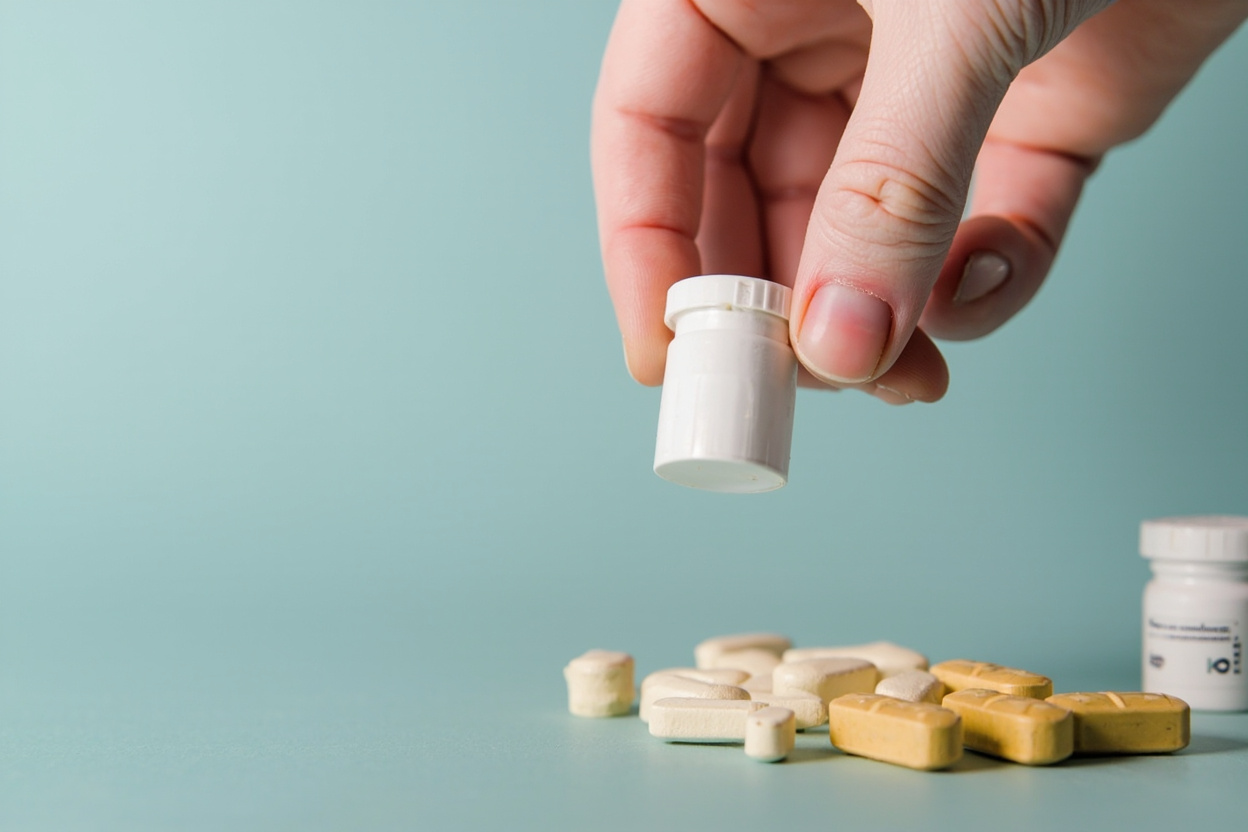
Oral antibiotics remain the most commonly prescribed and effective treatment for uncomplicated UTIs. These medications work by either killing the bacteria causing the infection or preventing them from multiplying, allowing your immune system to eliminate the remaining pathogens. The specific antibiotic prescribed depends on several factors including local resistance patterns, patient allergies, and severity of symptoms.
Commonly prescribed antibiotics for UTIs include:
- Nitrofurantoin (Macrobid, Macrodantin): This antibiotic concentrates in the urine and is particularly effective for lower urinary tract infections. It’s typically taken for 5-7 days and has a lower risk of disrupting gut bacteria compared to other options. Side effects may include nausea and, rarely, lung complications with long-term use.
- Trimethoprim-sulfamethoxazole (Bactrim, Septra): This combination antibiotic has been a first-line treatment for decades. It’s usually taken for 3 days for uncomplicated UTIs, though resistance has been increasing in some regions. Allergic reactions to sulfa drugs should be considered.
- Fosfomycin (Monurol): This newer antibiotic is notable because it’s given as a single-dose treatment, making it extremely convenient for patients. It works by disrupting bacterial cell wall synthesis and is effective against many antibiotic-resistant strains.
- Fluoroquinolones (Levofloxacin, Ciprofloxacin): These broader-spectrum antibiotics are typically reserved for more complicated UTIs or when other treatments haven’t worked, due to potential side effects including tendon damage and nerve problems. They’re highly effective but carry more significant risks.
If you’re experiencing UTI symptoms, consider requesting prescription antibiotics through an online healthcare provider who can evaluate your symptoms and medical history to determine the most appropriate option for you.
2. Telemedicine Consultations: Healthcare at Your Fingertips
One of the most significant developments in UTI treatment over the past several years has been the widespread availability of telemedicine services. Virtual healthcare visits allow patients to consult with qualified medical professionals from the comfort of their homes, often with same-day or next-day appointments available. This is particularly valuable for UTIs, where waiting several days for an in-person appointment can feel unbearable.
During a telemedicine visit, a healthcare provider will review your symptoms, medical history, and any allergies before determining an appropriate treatment plan. Many telemedicine services can send prescriptions directly to your local pharmacy, allowing you to start treatment within hours of your consultation.
The convenience factor cannot be overstated—especially for working individuals, parents with childcare challenges, or those living in areas with limited healthcare access. Studies have shown that telemedicine is just as effective as in-person visits for managing straightforward UTIs, and patient satisfaction scores are consistently high.
3. Urgent Care Centers: Walk-In Relief
Urgent care centers have become an increasingly popular option for UTI treatment, offering walk-in appointments without the long wait times often associated with emergency rooms. These facilities are staffed by qualified healthcare providers who can diagnose and treat UTIs on the spot, often with the ability to perform urinalysis and urine cultures on-site.
The average wait time at urgent care centers is typically 15-30 minutes, with most patients being in and out within an hour. Many centers now have extended hours, including weekends and holidays, making them a convenient option for those whose work schedules don’t align with traditional doctor’s office hours. Costs are generally lower than emergency room visits but higher than a routine doctor’s appointment, though many insurance plans cover urgent care visits.

4. Phenazopyridine: Symptom Relief While Antibiotics Work
Phenazopyridine (available as Pyridium, Azo, and other brand names) is an over-the-counter medication that provides rapid relief from UTI-related discomfort, including burning, urgency, and bladder pressure. It works by exerting a topical analgesic effect on the urinary tract lining, numbing the irritated tissues.
While phenazopyridine effectively manages symptoms, it does not cure the infection itself—this is why it’s meant to be used alongside antibiotics, not as a standalone treatment. The medication typically starts working within 20-30 minutes and provides relief for several hours. It’s available without a prescription, though you should still consult with a healthcare provider to confirm your UTI diagnosis and receive appropriate antibiotic treatment.
Important considerations: phenazopyridine turns urine orange or red, which is harmless but can stain clothing. It should not be used for more than two days without medical supervision, as prolonged use can mask symptoms of a worsening infection.
5. Increased Fluid Intake: Flushing the System
While increased fluid intake alone won’t cure a UTI, it plays a crucial supporting role in treatment and recovery. Drinking plenty of water helps dilute urine, reducing irritation to the bladder and urethra lining while also helping flush bacteria out of the urinary tract more quickly.
Healthcare providers generally recommend drinking at least 8-10 glasses of water daily during a UTI, and even more if you have a fever or are experiencing vomiting. Some patients find that drinking water constantly throughout the day is one of the most helpful things they can do while waiting for antibiotics to take effect.
While water is the best choice, some patients find relief with certain herbal teas (like uva ursi or green tea) and unsweetened cranberry juice. It’s important to avoid caffeine, alcohol, and sugary drinks, as these can irritate the bladder and potentially worsen symptoms.
6. Bladder Installation Procedures
For recurrent UTIs or infections that don’t respond to oral antibiotics, some urologists offer bladder installation therapy. This procedure involves instilling a medicated solution directly into the bladder through a catheter. The solution typically contains antibiotics and may include anti-inflammatory medications.
By delivering medication directly to the site of infection, bladder installations can achieve higher concentrations of antibiotics than oral medications while minimizing systemic side effects. This approach is typically reserved for patients who experience multiple UTIs per year or who have infections caused by antibiotic-resistant bacteria.
The procedure is performed in a doctor’s office and takes only a few minutes. Patients may experience temporary discomfort during and after the procedure, but many find it helpful for managing chronic or difficult-to-treat infections. If you experience recurrent UTIs, ask your healthcare provider about advanced treatment options like bladder installation therapy.
7. Estrogen Therapy for Postmenopausal Women
Postmenopausal women face unique challenges with UTIs due to decreased estrogen levels, which can lead to changes in the urinary tract that make infections more likely. Estrogen therapy, applied topically as a cream or ring, can help restore the natural protective barriers of the urinary tract and vagina.
Topical estrogen works by promoting the growth of beneficial lactobacillus bacteria, which help maintain a healthy pH in the vaginal area. This acidic environment is less hospitable to the harmful bacteria that cause UTIs. Additionally, estrogen helps maintain the thickness and elasticity of urethral tissues, reducing the likelihood of bacterial adherence.
This treatment approach is particularly valuable for women who experience recurrent UTIs in menopause and who may not be candidates for long-term antibiotic prophylaxis. It’s available by prescription and requires evaluation by a healthcare provider to determine appropriateness and proper dosing.
8. D-Mannose Supplements
D-Mannose is a naturally occurring sugar that has gained popularity as a supplement for UTI prevention and supportive treatment. It works by binding to E. coli bacteria in the urinary tract, preventing them from adhering to the bladder walls and making them easier to flush out during urination.
Several clinical studies have shown promising results for D-Mannose in both preventing UTIs and reducing symptoms when used alongside conventional treatment. It’s generally well-tolerated with minimal side effects, though some people may experience mild digestive upset at higher doses.
The typical dosage for prevention is 500mg taken twice daily, while during an active infection, some practitioners recommend 500mg every two hours during the day. D-Mannose is available in powder, capsule, and tablet forms at most health food stores and online retailers. While not a replacement for antibiotics in active infections, many patients find it helpful as part of a comprehensive UTI management strategy.
9. Probiotics for Urinary and Vaginal Health
Probiotics, particularly those containing Lactobacillus strains, have shown promise in supporting UTI treatment and prevention. These beneficial bacteria help maintain a healthy balance in the urogenital area, making it more difficult for harmful bacteria to establish infections.
Research indicates that regular consumption of probiotic supplements or fermented foods containing Lactobacillus may reduce the frequency of recurrent UTIs, particularly in women. Probiotics work through multiple mechanisms: they produce hydrogen peroxide and lactic acid that create an unfavorable environment for pathogens, they compete with harmful bacteria for resources and space, and they help modulate the immune response.
Probiotic supplements are available in various forms, including capsules, powders, and fermented foods like yogurt, kefir, and kimchi. For UTI-specific benefits, look for products containing Lactobacillus strains, particularly Lactobacillus rhamnosus and Lactobacillus reuteri. These can be taken alongside antibiotics and may help reduce the digestive side effects sometimes associated with antibiotic therapy.
10. Medical Devices for Recurrent UTIs
For patients who experience frequent recurrent UTIs (typically defined as three or more infections per year), medical devices offer an additional treatment avenue. Two notable options have emerged in recent years:
Intravaginal Devices: Devices like the Uresta and Finesse provide structural support to the urethra and bladder neck, reducing stress urinary incontinence that can contribute to recurrent infections. These custom-fitted devices are inserted vaginally and can be removed, cleaned, and reinserted as needed.
Preventive Devices: Some devices are designed specifically to help prevent UTIs by facilitating complete bladder emptying or providing gentle dilation of the urethral passage. These are typically recommended after thorough evaluation by a urologist specializing in urinary tract disorders.

Treatment Options Comparison Table
| Treatment Option | Effectiveness | Speed of Relief | Convenience | Cost Range |
|---|---|---|---|---|
| Oral Antibiotics (Standard) | Very High (90%+ cure rate) | 24-48 hours for symptom improvement | Moderate (requires prescription) | $0-$50 with insurance |
| Telemedicine Consultation | Very High (comparable to in-person) | Same-day prescription possible | Very High | $25-$75 per visit |
| Urgent Care Visit | Very High | Same-day treatment | High (walk-in available) | $50-$150 with insurance |
| Phenazopyridine (OTC) | Moderate (symptom relief only) | 20-30 minutes | Very High (no prescription) | $10-$20 |
| D-Mannose Supplements | Moderate (preventive support) | Variable | High (available online/in-store) | $15-$30 monthly |
| Probiotics | Moderate (preventive) | Weeks for effect | High | $20-$50 monthly |
| Bladder Installation | High (for appropriate cases) | Gradual improvement | Low (requires office visit) | $100-$300 per session |
Understanding Antibiotic Resistance in UTIs
A growing concern in UTI treatment is antibiotic resistance. Some bacteria have developed the ability to survive antibiotic treatment, making certain medications less effective or completely ineffective. This is why healthcare providers may change antibiotics based on local resistance patterns or, when possible, wait for culture results before prescribing.
To minimize resistance development, it’s crucial to complete the full course of prescribed antibiotics even if symptoms improve, and never to use leftover antibiotics or those prescribed for someone else. Preventing UTIs in the first place is also an important strategy for reducing overall antibiotic use.
Important: If your symptoms don’t improve within 48-72 hours of starting antibiotic treatment, or if they worsen at any point, contact your healthcare provider immediately. This could indicate resistance, an incorrect diagnosis, or a more serious infection requiring different treatment.
Frequently Asked Questions About UTI Treatment
Q1: How long does it typically take for UTI symptoms to improve after starting antibiotics?
A: Most patients begin feeling improvement within 24-48 hours of starting appropriate antibiotic therapy. Burning with urination and urgency often improve first, while frequency and bladder pressure may take a few additional days to resolve. If you don’t notice any improvement after 48-72 hours, contact your healthcare provider as you may need a different medication or further evaluation.
Q2: Is it safe to delay antibiotic treatment while waiting to see if symptoms improve on their own?
A: While very mild UTIs occasionally resolve without treatment, delaying appropriate care carries risks including infection progression to the kidneys, worsening symptoms, and potential complications. The longer a UTI goes untreated, the more likely it is to cause significant discomfort and potentially permanent damage. Most healthcare providers recommend starting antibiotics promptly after diagnosis, and many offer telemedicine options for quick evaluation.
Q3: Can I take probiotics at the same time as antibiotics?
A: Yes, taking probiotics during and after antibiotic treatment is generally safe and may help reduce digestive side effects commonly associated with antibiotics. Some research suggests that certain probiotic strains may also help reduce the risk of vaginal and urinary tract infections when taken regularly. Ideally, space your probiotic supplement at least 2-3 hours apart from your antibiotic dose to maximize the beneficial bacteria that survive.
Q4: What should I do if I experience recurrent UTIs despite preventive measures?
A: Recurrent UTIs (three or more per year) warrant evaluation by a healthcare provider, typically a urologist or urogynecologist, who can assess for underlying causes such as urinary tract abnormalities, bladder dysfunction, or hormonal factors. Treatment options may include low-dose antibiotic prophylaxis, bladder installations, or addressing identified risk factors. Don’t assume that frequent UTIs are normal—persistent infections often indicate an treatable underlying condition.
Q5: Are there any new UTI treatments on the horizon that show promise?
A: Researchers are actively working on several promising UTI treatments, including new antibiotics with novel mechanisms of action, bacterial biofilm disrupters, immune system modulators, and vaccines targeting UTI-causing bacteria. Additionally, bacteriophage therapy—which uses viruses that specifically target bacteria—is being studied as an alternative to antibiotics, particularly for antibiotic-resistant infections. While these treatments aren’t yet widely available, they represent the future of UTI care and offer hope for patients with recurrent or difficult-to-treat infections.
Get Fast, Effective UTI Treatment Today
Don’t let UTI symptoms disrupt your life any longer than necessary. Modern treatment options make it easier than ever to get the relief you need, often without leaving home.
Start Online Consultation
Get Prescription Treatment
Fast Relief Options
Expert Medical Advice
View Treatment Plans
Combining Treatments for Optimal Results
The most effective approach to UTI management often involves combining multiple treatment modalities. For example, a patient might take prescription antibiotics while using phenazopyridine for immediate symptom relief, drinking extra fluids to help flush bacteria, and taking probiotics to support overall urinary tract health.
This multi-pronged approach addresses the infection from several angles simultaneously: the antibiotic targets and eliminates the bacteria directly, symptomatic treatments provide comfort while the antibiotic works, and supportive measures help the body’s natural defenses function optimally.
For those interested in a structured, comprehensive approach to UTI treatment and recovery, many telemedicine providers now offer integrated 3-step treatment programs that guide patients through symptom relief, infection elimination, and prevention strategies.
When to Consider Specialist Referral
While most UTIs can be successfully managed by primary care providers or through telemedicine, certain situations warrant referral to a specialist:
- Three or more UTIs per year (recurrent infections)
- UTIs that don’t respond to standard antibiotic treatment
- Complicated UTIs including those with structural abnormalities
- UTIs during pregnancy
- Men with UTIs (who require different evaluation)
- Suspected kidney involvement requiring specialized care
- Any signs of sepsis or severe systemic infection
Urologists and urogynecologists have specialized training in urinary tract disorders and can offer advanced diagnostic testing and treatment options not available through general practitioners. If you find yourself in any of these categories, don’t hesitate to ask your current provider for a referral.
Conclusion
UTI treatment has come a long way, offering patients more options than ever before for achieving relief. From traditional antibiotics to telemedicine consultations, from over-the-counter symptom relievers to cutting-edge medical devices, the tools available for fighting these infections continue to expand and improve.
The key to successful treatment lies in prompt action when symptoms arise, appropriate use of the treatment options outlined above, and working with healthcare providers to find the approach that works best for your individual situation. Whether you prefer the convenience of online care or the familiarity of an in-person visit, there’s an option that fits your needs.
Don’t suffer in silence—take advantage of modern UTI treatment options and get back to feeling like yourself again. With the right approach, relief is closer than you think.
Leave a Reply