
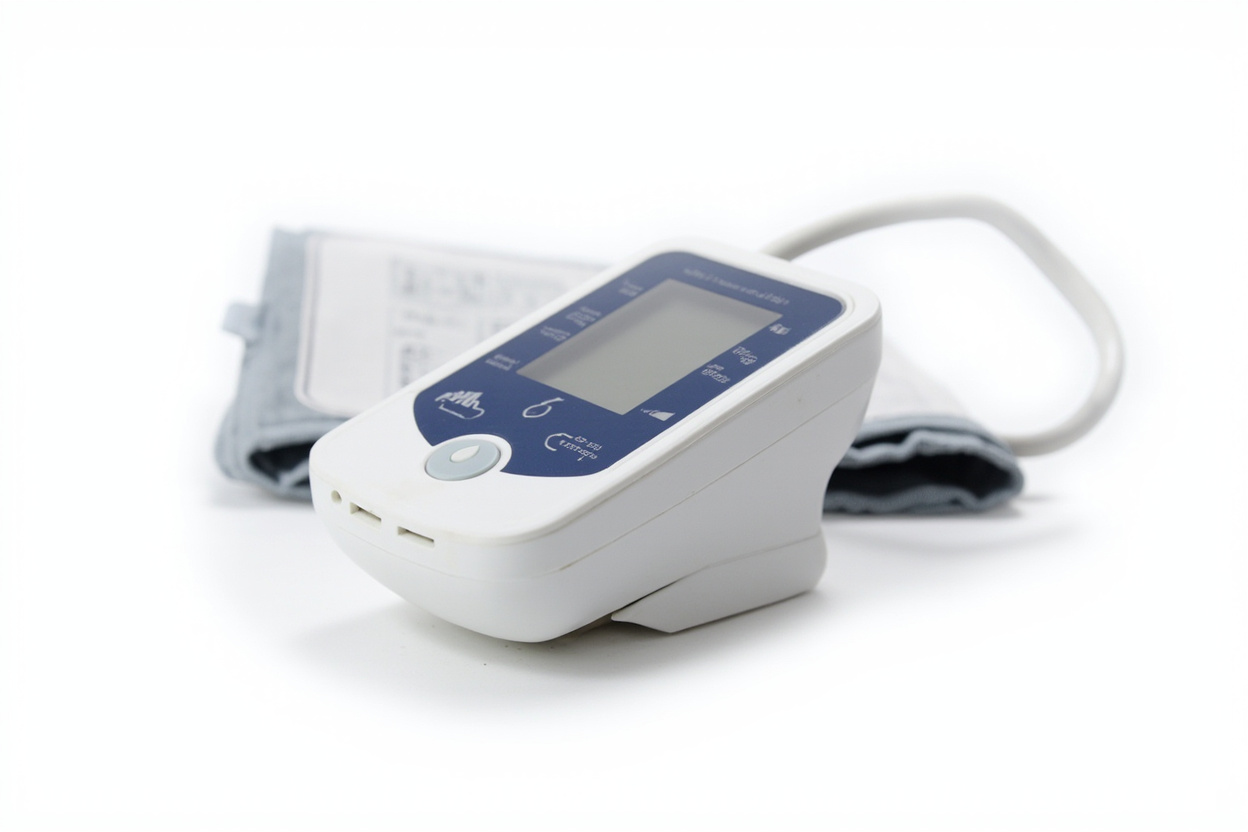
Best Home Blood Pressure Monitor for Seniors in 2026: Top 10 Clinically Accurate Picks
High blood pressure affects nearly half of all American adults, and the risk increases significantly with age. For seniors managing hypertension or monitoring cardiovascular health, having a reliable blood pressure monitor at home isn’t optional—it’s essential. But with dozens of options ranging from $30 to $300, how do you know which monitors deliver clinical accuracy versus those that give false readings that could endanger your health?
This guide reviews the top 10 home blood pressure monitors for seniors in 2026, selected for accuracy, ease of use, comfort, and value. Every recommended model has been validated against established accuracy standards, so you can trust the numbers your doctor sees from your home readings.
Why Seniors Need Dedicated Blood Pressure Monitoring
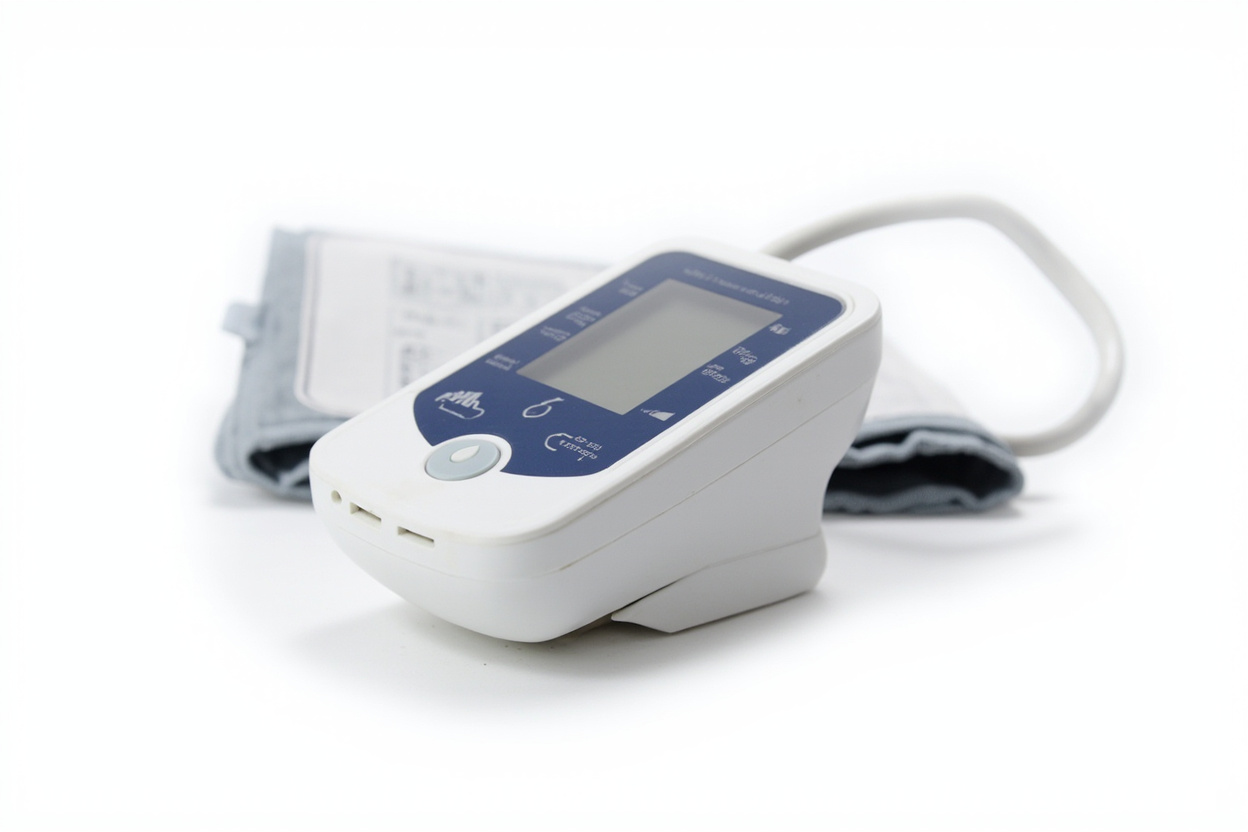
Understanding Age-Related Blood Pressure Changes
Blood pressure naturally changes throughout the day, and seniors experience more pronounced fluctuations than younger adults. Factors specific to aging—medication effects, reduced cardiovascular elasticity, autonomic nervous system changes, and greater sensitivity to salt intake—mean that a single clinic reading may not represent your true blood pressure pattern.
Home monitoring provides multiple readings across different times of day, giving doctors a comprehensive picture rather than a single snapshot. This “multiple measurements over time” approach is more clinically meaningful than isolated clinic readings and is recommended by the American Heart Association, American Society of Hypertension, and virtually every major cardiovascular health organization.
White Coat Syndrome and Masked Hypertension
Two phenomena particularly affect seniors: white coat syndrome (elevated readings at the doctor’s office due to anxiety) and masked hypertension (normal at the doctor’s office but elevated at home). Without home monitoring, neither condition can be properly diagnosed or managed. Home BP monitoring is the only way to capture the full picture of blood pressure patterns that affect treatment decisions.
What Makes a Blood Pressure Monitor “Senior-Friendly”?
Accuracy Requirements
The foundation of any blood pressure monitor recommendation is accuracy. In the United States, look for monitors validated by the Association for the Advancement of Medical Instrumentation (AAMI) or conforming to the International Protocol of the European Society of Hypertension. In the UK, the British Hypertension Society’s validation list is the standard. Monitors without third-party validation may provide unreliable readings.
For seniors, upper arm monitors are generally more accurate than wrist or finger monitors, which are more prone to positioning errors. Unless upper arm monitors are contraindicated by specific medical conditions, they should be the default choice.
Cuff Size and Comfort
One of the most common reasons for inaccurate home readings is using the wrong cuff size. A cuff that’s too small artificially elevates readings; a cuff that’s too large may not detect the pulse properly. Most monitors come with a “standard” cuff that fits arm circumferences of 9-13 inches. Seniors with larger arms need to verify that a suitable “large cuff” option is available from the manufacturer.
Comfort matters for compliance. A monitor that’s uncomfortable to use—or whose cuff inflation feels painful—will sit unused. Look for monitors with gentle inflation algorithms that don’t over-tighten unnecessarily.
Display and Interface Considerations
Seniors benefit from large, backlit number displays that are easy to read in various lighting conditions. Color-coded indicators (green for normal, yellow for elevated, red for high) provide immediate context without requiring blood pressure literacy. Some monitors include irregular heartbeat detection, which is particularly important for seniors given higher arrhythmia prevalence.
Top 10 Blood Pressure Monitors for Seniors 2026
1. Omron Platinum BP5450 — Best Overall
The Omron Platinum sets the standard for home blood pressure monitoring. It has received AAMI validation and features Omron’s Advanced Accuracy technology, which averages multiple readings for greater precision. The large, backlit display shows results in extra-large font with color-coded indicators. The Comfort View cuff inflates gently and fits arms from 9 to 17 inches, accommodating most seniors without requiring a separate large cuff purchase.
Bluetooth connectivity allows automatic syncing to the Omron Connect app, where readings are stored, graphed, and shareable via email or text. The app is straightforward enough for seniors comfortable with smartphones, while the monitor works perfectly as a standalone device for those who prefer simplicity.
Memory stores 200 readings for two separate users, eliminating the need for paper logging. Average price: $89-99.
2. Withings BPM Core — Best Premium Features
The Withings BPM Core stands out for its built-in electrocardiogram (ECG) and digital stethoscope functionality, detecting atrial fibrillation and valvular heart disease in addition to blood pressure. This makes it a comprehensive cardiovascular monitoring device rather than merely a blood pressure cuff.
The design is sleek and modern, with a fabric cuff that’s more comfortable than traditional rigid cuffs. The display is crisp and the interface intuitive. Results sync via Wi-Fi or Bluetooth to the Health Mate app, which is well-designed and supports data sharing with doctors. Validation: medically certified in Europe, FDA-cleared in the US.
The main drawback is price: $299.99, which is premium but reflects the ECG/stethoscope functionality that no other home monitor offers. For seniors with existing heart conditions or significant risk factors, the additional diagnostic capability may justify the investment.
3. LifeSource UA-767F — Best for Simplicity
LifeSource (A&D Medical) produces no-frills, highly reliable monitors that have been favorites among healthcare professionals for decades. The UA-767F features one-touch operation: press a single button and it inflates, measures, and displays results. There are no apps, no Bluetooth, no complexity—just accurate readings displayed clearly.
The extra-large display shows systolic, diastolic, and pulse simultaneously with large fonts. The cuff fits a wide range (8.6-16.5 inches). The monitor stores 60 readings in memory. At $59-69, it’s an exceptional value for seniors who want reliable accuracy without technology features they’ll never use.
4. Omron Evolv — Best Design
The Omron Evolv is a compact, cuff-and-monitorall-in-one unit with no tubing or wires—a single piece that wraps around your arm. This design appeals to seniors who find tubing confusing or who want something that travels well. The display is embedded in the cuff itself, showing results after measurement.
Accuracy is excellent (AAMI validated), and Bluetooth connectivity syncs to the Omron Connect app. The one-piece design does mean the display isn’t as large as dedicated-monitor designs, but it’s still clearly readable. The cuff fits 9-14 inch arms. Price: $79-89.
5. Panasonic EW3109W — Best Budget Upper Arm
Panasonic’s EW3109W proves you don’t need to spend $100+ for accurate home blood pressure monitoring. This monitor features a large cuff (8-15 inches), one-button operation, and a clear digital display. It lacks Bluetooth and memory for multiple users, but it does store 90 readings.
What makes it stand out at $39-49 is that it delivers accurate readings consistently and comfortably. Panasonic’s fuzzy logic inflation system adjusts cuff pressure based on arm size and comfort, resulting in gentler inflation than some competitors. For budget-conscious seniors who need a reliable primary monitor, this is an excellent choice.
6. QardioArm — Best App Integration
QardioArm is a compact, travel-friendly upper arm monitor that pairs with an excellent smartphone app. The app provides trend analysis, color-coded history, reminder alerts for regular measurements, and one-tap sharing via email. For seniors who use smartphones and want comprehensive tracking, this combination is powerful.
The device itself is well-designed with gentle inflation. It stores unlimited readings in the app (not on the device itself, which is a limitation if you’re not using a smartphone). Validation is thorough. Price: $79.99.
7. Beurer BM55 — Best for Large Arms
Beurer, a German medical device company, produces high-quality monitors. The BM55 comes with a XL cuff (16.5-22.8 inches) that fits seniors who need a large cuff without special ordering. The display is extra-large with blue illuminated digits for easy reading. It stores 120 readings (60 per user) and includes Bluetooth connectivity.
The German engineering shows in build quality—the BM55 feels solid and precise. Gentle inflation technology reduces discomfort. At $79-89, it fills an important niche for larger-framed seniors who often struggle to find cuffs that fit properly.
8. Homedics BPW-G11 — Best Value Multi-User
The Homedics BPW-G11 stores 250 readings across 100 memory slots per user (2 users), with each reading timestamped. The large, backlit display and color-coded risk indicator (green/yellow/red) make interpretation straightforward. The cuff fits 8-16 inch arms.
Bluetooth connectivity syncs to the Homedics app. At $49-59, this is one of the best-value options for couples who both need to monitor blood pressure. Accuracy is validated to European standards. Build quality is solid if not exceptional.
9. iHealth Clear — Easiest Sharing
iHealth Clear connects via Wi-Fi directly to the cloud—no smartphone required for data sync. Results are accessible via a web portal and can be shared with family members or doctors through a simple share link. This is particularly valuable for seniors who want family members or caregivers to be able to view readings without installing apps.
The display is large and backlit, showing all three readings (systolic, diastolic, pulse) simultaneously. The cuff fits 8.7-16.5 inches. One-button operation makes it as simple as it gets. Price: $69.99.
10. Welch Allyn Home BP — Best Clinical Heritage
Welch Allyn is a century-old medical equipment company whose products are found in hospitals and clinics worldwide. The Welch Allyn Home BP monitor carries this clinical heritage into the home market, delivering accuracy that’s been validated against the same standards used for hospital equipment.
The monitor features FlexiFit technology that automatically adjusts to your arm shape and size, making positioning intuitive. The display is clear and the interface simple. It stores 99 readings per user (2 users). Price: $99-109. The premium over consumer-grade monitors is justified by the precision engineering and clinical-grade accuracy.
How to Take Accurate Blood Pressure Readings at Home
Proper Positioning
Accuracy depends on proper technique. Sit with your back supported, feet flat on the floor, legs uncrossed. The cuff should be positioned on your bare upper arm at heart level—neither hanging down (which elevates readings) nor held up (which lowers them). Rest for 5 minutes before measuring. Don’t talk during measurement. Empty your bladder if full. Avoid caffeine, cigarettes, and exercise for 30 minutes before measuring.
Timing and Frequency
Take readings at the same times each day—morning and evening are standard. Morning readings should be taken before medication; evening readings after medication. Don’t measure right after eating. Take two or three readings one minute apart and record the average. Consistency in timing and technique is what makes home monitoring clinically useful.
When to Consult a Doctor About Your Readings
Normal blood pressure is below 120/80 mmHg. Elevated blood pressure (120-129 / under 80) indicates risk requiring lifestyle attention. Stage 1 hypertension (130-139 / 80-89) usually requires treatment discussion with your doctor. Stage 2 hypertension (140+ / 90+) requires prompt medical consultation. If your monitor detects an irregular heartbeat, discuss this with your doctor even if blood pressure numbers appear normal.
Final Recommendation
For most seniors, the Omron Platinum BP5450 offers the best combination of accuracy, features, ease of use, and value at $89-99. The Comfort View cuff accommodates a wide range of arm sizes, the app provides comprehensive tracking for those who want it, and the standalone operation works for those who don’t. It’s the monitor we’d recommend to a family member without hesitation.
For seniors with heart conditions who want comprehensive cardiovascular monitoring, the Withings BPM Core at $299 justified its premium through its ECG and stethoscope functionality. For budget-conscious buyers, the Panasonic EW3109W at $39-49 delivers reliable accuracy without unnecessary features.
🔥 Global Summer Sale – Up to 80% OFF on AliExpress
Limited time deals on phones, electronics, home & more. New users get extra coupons!
Disclosure: We may earn a commission at no extra cost to you if you make a purchase through our links.
For seniors looking for reliable home medical monitoring equipment, check out
MFI Medical’s range of validated home diagnostic equipment
featuring clinically certified blood pressure monitors and health monitoring devices.
Disclosure: We may earn a commission at no extra cost to you if you make a purchase through our links. This site contains affiliate links.
Ready to Shop Smart?
AliExpress offers factory-direct prices you won’t find anywhere else. New users get exclusive welcome discounts!
Disclosure: This site contains affiliate links. We earn a commission at no extra cost to you.
Leave a Reply