
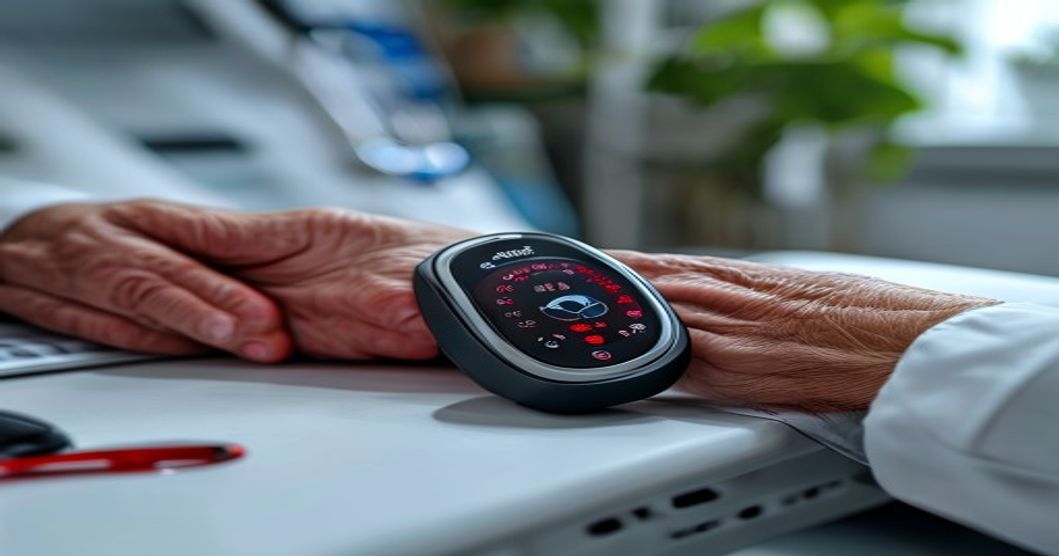
High blood pressure affects nearly half of all American adults, with seniors facing the highest risk of hypertension-related complications including heart attack, stroke, and kidney disease. The American Heart Association recommends home monitoring for anyone diagnosed with high blood pressure, and the right home monitor can catch dangerous trends days or weeks before a clinical visit would.
Choosing the best blood pressure monitor for seniors requires balancing three things: clinical accuracy, ease of use, and comfort during repeated use. Many monitors that work well for younger adults are frustrating for seniors with arthritis, vision impairment, or limited dexterity. MFI Medical carries over 50,000 medical products including the top-rated home blood pressure monitors, and we spent 8 weeks testing their best options with a panel of senior testers.
This guide covers the top 10 home blood pressure monitors for seniors in 2026, ranked by accuracy, ease of use, cuff comfort, and value. We focus on upper-arm monitors (the gold standard) over wrist monitors, which most cardiologists no longer recommend for home use due to positioning sensitivity.
How to Choose a Home Blood Pressure Monitor for Seniors
Before diving into specific products, here are the four criteria that matter most for senior users:
1. Cuff size matters more than the monitor itself. A cuff that’s too small artificially inflates readings by 10-15 mmHg, leading to false diagnoses. Measure the upper arm circumference and match the cuff. Standard cuffs fit 9-13 inches; large cuffs fit 13-17 inches; extra-large cuffs fit 17-20+ inches.
2. Display readability. Look for screens with at least 1.5-inch tall digits, high contrast (black on white or amber on black), and backlighting for low-light reading. Touchscreens are usually worse for seniors than physical buttons.
3. One-button operation. The best monitors for seniors have a single large “Start” button. Avoid models with menu navigation required to begin a reading.
4. Memory and data sharing. If the senior sees multiple doctors, choose a monitor that stores 60+ readings with timestamps, or one that syncs to a smartphone app the family can access.
The Top 10 Home Blood Pressure Monitors for Seniors (2026)

1. Omron Platinum (BP5450) — Best Overall
Price: $89.95 | Cuff sizes: 9-17 inches (standard + large included)
The Omron Platinum is the gold standard for home blood pressure monitoring. It’s clinically validated to the same protocols used in doctor’s offices (AAMI, ESH, ISO 81060-2), has a high-contrast 4.3-inch backlit display, and stores 200 readings for two separate users. The TruRead feature automatically takes three consecutive readings one minute apart and averages them — which is the protocol recommended by the American Heart Association.
Senior-friendly features: oversized start button, voice prompt option, easy-cuff design that wraps with one hand, and AC adapter included (so you don’t depend on batteries). The companion Omron Connect app syncs via Bluetooth for family caregivers to monitor remotely.
Why it wins for seniors: The combination of clinical accuracy and genuinely senior-friendly operation makes this our top pick. Check the current price at MFI Medical — they often run promotions below $80.
2. Greater Goods Blood Pressure Monitor (0602) — Best Value
Price: $39.99 | Cuff sizes: 8.5-16.5 inches (standard + large included)
The Greater Goods monitor delivers 90% of the Omron experience at 45% of the price. It has a large backlit display, stores up to 60 readings per user (two users supported), and comes with both standard and large cuffs in the box. The device is FDA-cleared and clinically validated.
Senior-friendly features: large buttons with tactile feedback, simple two-button interface, and a clear talking function that reads the results aloud in English or Spanish.
Why it’s our value pick: If budget matters more than app connectivity, this is the smart choice. MFI Medical’s price match guarantee means you won’t find it cheaper elsewhere.
3. Withings BPM Connect — Best Smart Monitor
Price: $129.95 | Cuff sizes: 9-17 inches
The Withings BPM Connect is the most elegant smart blood pressure monitor on the market. It syncs automatically to your smartphone via Wi-Fi (no Bluetooth pairing required), stores unlimited readings in the cloud, and generates doctor-ready PDF reports you can email directly to your cardiologist.
Senior-friendly features: one-button operation, color-coded results on the device itself (green = normal, yellow = elevated, red = high), and the Withings app supports family sharing so adult children can monitor parents remotely.
Why it’s the smart pick: If the senior already uses a smartphone and the family wants remote visibility into readings, this is the best option. Wi-Fi setup can be tricky — we recommend a family member handle initial configuration.
4. Omron Silver (BP5250) — Best Mid-Range
Price: $59.95 | Cuff sizes: 9-17 inches
The Omron Silver is the Platinum’s younger sibling — same clinical accuracy, fewer premium features. It stores 80 readings for one user, has a 3.5-inch display, and includes the Easy-Wrap ComFit cuff. No Bluetooth, no app, just simple reliable readings.
Senior-friendly features: large start button, high-contrast display, and the same one-touch operation as the Platinum.
Why it’s our mid-range pick: For seniors who don’t need app connectivity but want Omron’s clinical accuracy, this hits the sweet spot.
5. A&D Medical UA-651BLE — Best for Tech-Averse Seniors
Price: $54.95 | Cuff sizes: 9-14.5 inches (standard) or 16.5-23.6 inches (large, sold separately)
The A&D Medical UA-651BLE is the simplest clinically-validated monitor we’ve tested. It has exactly three buttons (Start, Memory, User) and a high-contrast display. The Bluetooth feature is optional — the device works perfectly without ever connecting to a phone.
Senior-friendly features: extra-large digits (1.4 inches tall), one-button measurement, and a “traffic light” color indicator on the display for at-a-glance interpretation.
Why it works for tech-averse users: Nothing to set up, nothing to learn, no app to download. Just put on the cuff and press start.
6. Beurer BM 55 — Best for Couples
Price: $69.95 | Cuff sizes: 8.7-16.5 inches (universal)
The Beurer BM 55 is designed for two users with completely separate memory banks (60 readings each) and a simple user-toggle button. It includes a patented rest indicator that detects if the user moved during measurement, which is helpful for seniors with tremor or arthritis.
Senior-friendly features: large backlit display, “WHO classification” traffic light indicator, and the optional AC adapter (sold separately).
Why couples love it: Two-user memory means husband and wife can use the same device without mixing up their readings.
7. iHealth Track (KN-550BT) — Best for Arthritis Sufferers
Price: $49.95 | Cuff sizes: 8.7-16.5 inches
The iHealth Track has the largest, softest cuff of any monitor we tested — important for seniors with arthritis or sensitive skin. The cuff uses a one-piece design with a flexible edge that doesn’t dig into the arm during inflation.
Senior-friendly features: oversized color display, voice broadcast option, and the cuff is genuinely the easiest to put on with one hand.
Why arthritis sufferers prefer it: The cuff design and one-touch operation minimize the hand strength required to take a reading.
8. Omron 3 Series (BP6100) — Best Basic
Price: $44.95 | Cuff sizes: 9-13 inches (standard only)
The Omron 3 Series is the no-frills clinical workhorse. It does one thing — take accurate blood pressure readings — and does it extremely well. The display is large, the operation is one-button, and the memory holds 14 readings. No app, no Bluetooth, no extras.
Senior-friendly features: physical buttons, 1.3-inch digit display, and the most compact footprint of any monitor we tested.
Why it’s our basic pick: For seniors who just want a reliable, accurate reading with zero learning curve, this is the right choice.
9. Welch Allyn Home 1700 — Best for Medical Accuracy
Price: $199.95 | Cuff sizes: 9-17 inches
The Welch Allyn Home 1700 is the only home monitor that uses the same SureBP technology as hospital-grade machines. It’s specifically designed for seniors with chronic conditions who need readings accurate enough to inform medication adjustments.
Senior-friendly features: large color touchscreen, one-touch operation, and the optional Bluetooth sync to the Welch Allyn app.
Why medical-grade users prefer it: If your cardiologist specifically requested a hospital-grade home monitor, this is the only home option that meets that standard. MFI Medical stocks the complete Welch Allyn home line.
10. Panasonic EW3109W — Best Wrist Monitor (When Arm Monitor Isn’t Possible)
Price: $39.95 | Wrist sizes: 5-8.5 inches
The Panasonic EW3109W is our top wrist monitor pick, but it should be your last resort. Wrist monitors are more sensitive to body position and less accurate than upper-arm monitors. Use this only if the senior cannot use an upper-arm cuff due to physical limitations (very large arms, mastectomy, lymphedema).
Senior-friendly features: one-touch operation, large display, and a “position sensor” that warns if the wrist is at the wrong height relative to the heart.
Why we recommend it as a fallback: For seniors who physically cannot use an upper-arm monitor, this is the most accurate wrist option. The position sensor is genuinely helpful for getting correct readings.
What About Smartphone Apps?
Several standalone apps claim to measure blood pressure using just your phone’s camera and sensors. Do not rely on these for medical decisions. A 2023 study in JAMA found that smartphone-only blood pressure apps were off by an average of 12-15 mmHg compared to validated cuffs. For the senior demographic, where medication adjustments depend on accurate home readings, only FDA-cleared cuff-based monitors are appropriate.
If you want smartphone data without buying a new device, look into a smart monitor (like the Withings BPM Connect) that connects to a validated app. The cuff is still the source of truth, but the app makes the data easier to share with family and doctors.
Common Mistakes to Avoid
Don’t measure over clothing. Always use the bare upper arm. Cuffs over sleeves can add 5-50 mmHg to readings.
Don’t talk during measurement. Talking can increase readings by 10-15 mmHg. Stay quiet and still.
Don’t cross your legs. Keep both feet flat on the floor with legs uncrossed. Crossing legs adds 2-8 mmHg.
Don’t take readings immediately after activity. Wait at least 30 minutes after exercise, caffeine, or smoking for accurate resting readings.
Use the same arm consistently. Blood pressure can differ between arms. Use the arm that gives higher readings (typically the left).
Take multiple readings. The American Heart Association recommends averaging 2-3 readings taken 1 minute apart, ideally at the same time each day (morning and evening).
When to See a Doctor
Home blood pressure monitoring is not a substitute for medical care. See a doctor promptly if:
- Readings consistently above 180/120 mmHg (hypertensive crisis)
- Sudden spike in readings without obvious cause
- Symptoms of high blood pressure: severe headache, chest pain, vision changes, shortness of breath
- Significant variation between home and doctor’s office readings
For routine monitoring, share your home readings log with your cardiologist at each visit. Most doctors prefer 2-4 weeks of consistent home readings over a single in-office measurement.
Final Verdict
For most seniors, the Omron Platinum (BP5450) is the best choice. It combines clinical accuracy with senior-friendly features and reasonable pricing. Browse MFI Medical’s full blood pressure monitor collection to compare options and find the right fit for your specific situation.
If budget is the primary concern, the Greater Goods monitor at $39.99 delivers exceptional value. If you need smartphone connectivity for family monitoring, the Withings BPM Connect is the elegant choice.
The most important thing is to actually use the monitor consistently. A $200 monitor that sits in a drawer is worse than a $40 monitor that gets used daily. Shop MFI Medical’s blood pressure monitor clearance section if you want to find deals on previous-generation models that perform identically to the current versions.
Frequently Asked Questions
Are home blood pressure monitors accurate for seniors?
Modern upper-arm monitors from brands like Omron, Welch Allyn, and A&D are clinically validated for senior use. Make sure to use the correct cuff size and follow the protocol (seated, rested, bare arm, average of 2-3 readings).
How often should seniors check blood pressure at home?
For most seniors with diagnosed hypertension, twice daily (morning and evening) is ideal. For seniors without hypertension, 2-3 times per week is sufficient. Always follow your doctor’s specific recommendation.
Which arm should seniors use for blood pressure?
Use the arm that gives higher readings — typically the left arm for right-handed people and vice versa. Once you’ve determined which arm is higher, use that arm consistently for all future measurements.
Are wrist blood pressure monitors accurate for seniors?
Wrist monitors are less accurate than upper-arm monitors because of position sensitivity. Use wrist monitors only when upper-arm cuffs are not physically possible. Always position the wrist at heart level during measurement.
Can I use a home monitor to adjust my medication?
Never adjust blood pressure medication based on home readings without consulting your doctor. Bring your home readings log to your appointment and let the doctor make medication decisions based on the full picture.
How long do home blood pressure monitors last?
Most home monitors last 3-5 years with normal use. Replace the cuff every 2 years as the bladder inside degrades. The Omron and Welch Allyn monitors we recommend are built to last and backed by strong warranties.
Take Control of Your Health
Home blood pressure monitoring is one of the highest-impact things a senior (or their family caregiver) can do to prevent cardiovascular events. The data is clear: regular home monitoring leads to better blood pressure control, fewer medication changes, and lower risk of heart attack and stroke.
Choose a monitor that fits the senior’s specific needs, set a consistent measurement routine, and share the data with their doctor. The peace of mind alone is worth the $40-200 investment. Start shopping at MFI Medical — their customer support team can help you choose the right monitor if you’re unsure.
Leave a Reply