
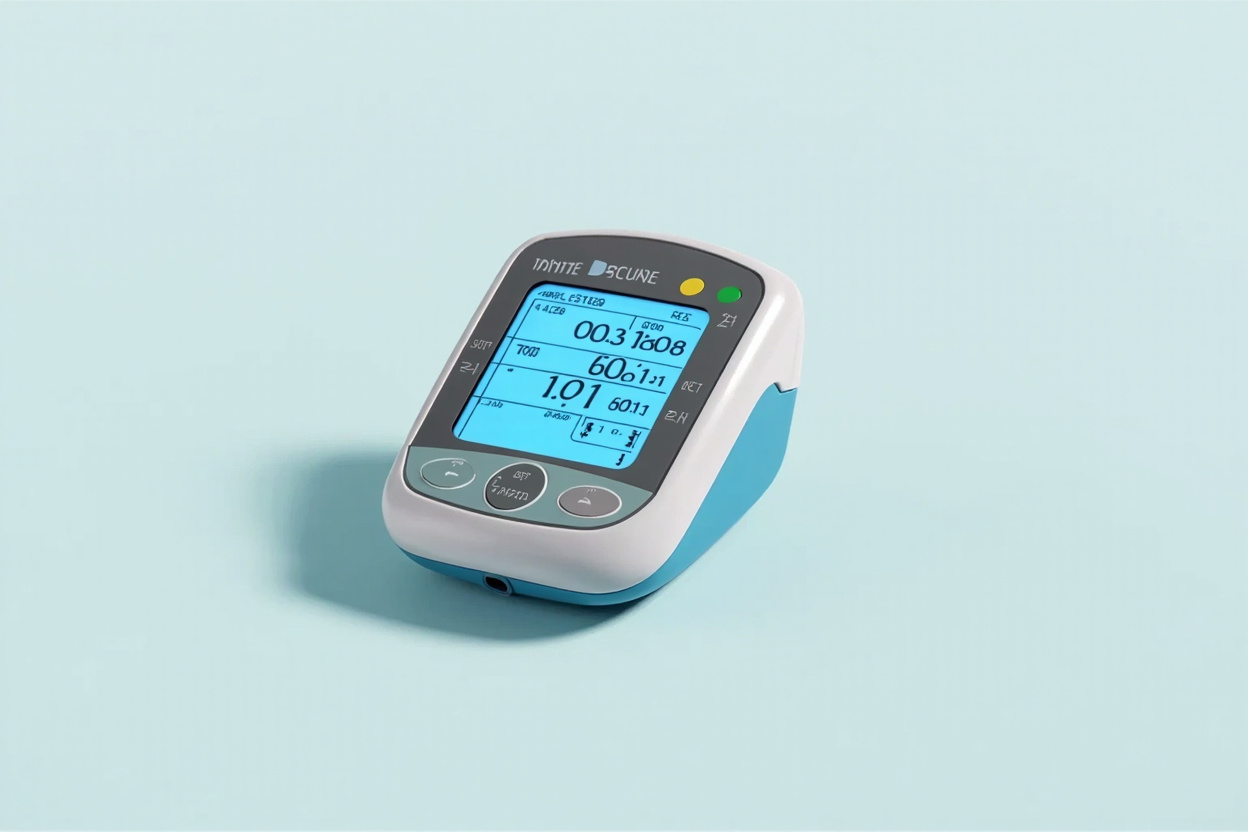
Best Home Blood Pressure Monitor for Seniors 2024: Complete Buying Guide
🔥 Global Summer Sale – Up to 80% OFF on AliExpress
Limited time deals on phones, electronics, home & more. New users get extra coupons!
Disclosure: We may earn a commission at no extra cost to you if you make a purchase through our links.
High blood pressure, also known as hypertension, affects nearly half of all adults over the age of 65 in the United States. Often called the “silent killer,” hypertension typically presents no symptoms until it causes serious complications like stroke, heart attack, or kidney failure. This makes regular blood pressure monitoring at home not just convenient but potentially life-saving for seniors.
For older adults and their caregivers, having a reliable home blood pressure monitor means being able to track blood pressure trends over time, identify white-coat hypertension (elevated readings at the doctor’s office but normal at home), and provide doctors with accurate data to guide treatment decisions.
However, not all blood pressure monitors are created equal, and what works well for a younger, tech-savvy user may not be appropriate for a senior with arthritis, vision limitations, or cognitive challenges. In this comprehensive guide, we’ll walk through everything you need to know to choose the best home blood pressure monitor for seniors in 2024.
Understanding Blood Pressure Basics
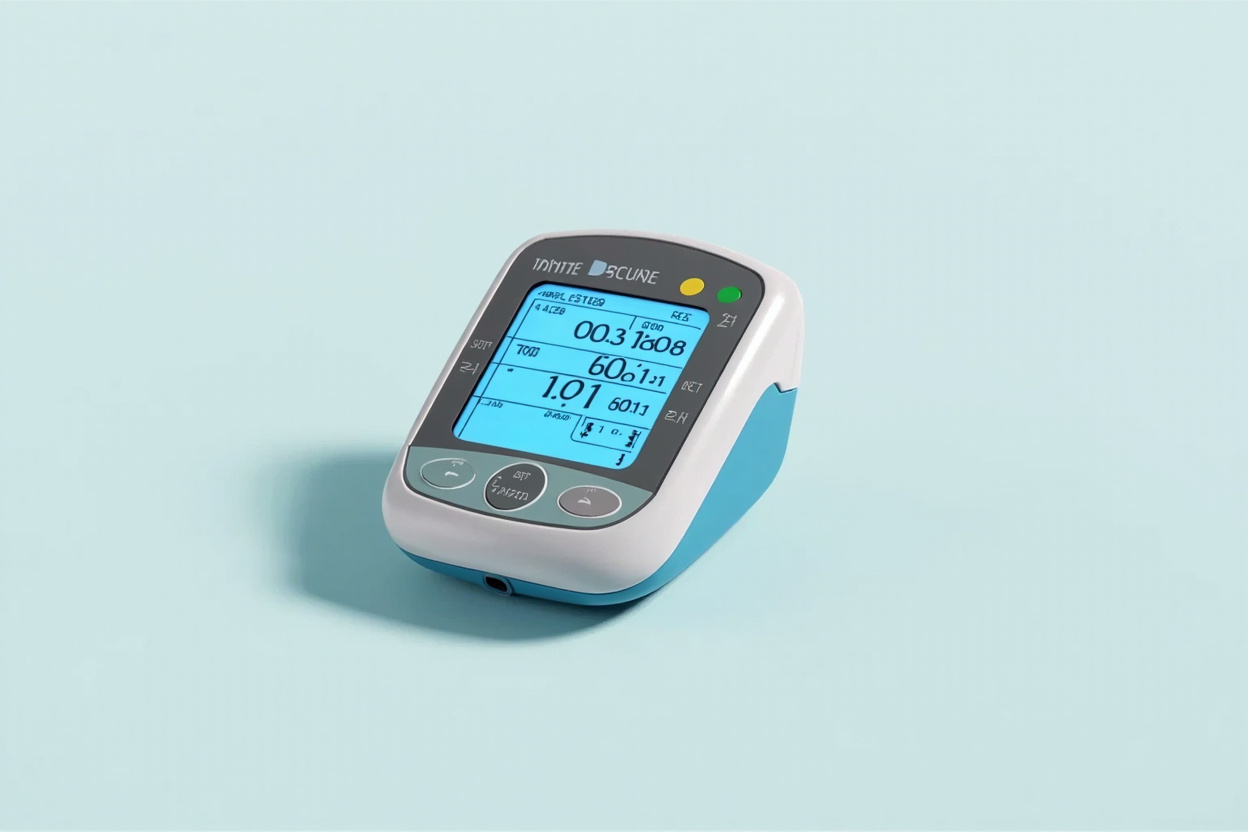
Before diving into device selection, it’s helpful to understand what blood pressure numbers mean. Blood pressure is measured in two numbers expressed in millimeters of mercury (mmHg):
Systolic pressure (the top number) measures the pressure in your arteries when your heart beats. This number is typically higher because it reflects the force of blood being pumped.
Diastolic pressure (the bottom number) measures the pressure in your arteries between heartbeats. This lower number reflects the resting state of your heart between contractions.
A normal blood pressure reading is typically below 120/80 mmHg. Elevated blood pressure is defined as systolic between 120-129 with diastolic below 80. Hypertension Stage 1 is systolic 130-139 or diastolic 80-89, while Hypertension Stage 2 is systolic 140 or higher, or diastolic 90 or higher. A reading above 180/120 requires immediate medical attention.
Types of Blood Pressure Monitors
Upper Arm Monitors
Upper arm blood pressure monitors are generally considered the gold standard for accuracy. The cuff inflates on the upper arm, and the sensor is positioned over the brachial artery, which runs along the inside of the upper arm. This positioning provides readings that most closely match those taken by healthcare professionals.
For seniors, upper arm monitors are the recommended type, particularly for those who have been diagnosed with hypertension and need accurate, consistent readings for medical decision-making.
Wrist Monitors
Wrist blood pressure monitors are more portable and comfortable to use than upper arm monitors. They strap around the wrist and use sensors that measure pressure at the radial artery. While convenient, wrist monitors are generally considered less accurate than upper arm monitors, particularly for older adults who may have reduced circulation or arterial stiffness.
If you prefer a wrist monitor, it’s critical to position it at heart level during measurement, as incorrect positioning can cause significant measurement errors. Many healthcare providers advise against wrist monitors for seniors for this reason.
Finger Monitors
Finger blood pressure monitors are the least accurate of the three types and are not recommended for medical use. While they may be suitable for otherwise healthy individuals who just want a general sense of their blood pressure, they should not be relied upon for managing hypertension or other cardiovascular conditions.
Key Features to Look for in a Senior-Friendly Blood Pressure Monitor
Large, Easy-to-Read Display
Vision decline is common with aging, and many seniors struggle with the small text on typical digital displays. Look for monitors with large LCD screens and high-contrast text. Backlit displays are especially helpful for reading in low-light conditions. The ideal senior-friendly monitor will display systolic and diastolic numbers in at least 1-inch tall characters with a backlit screen.
One-Button Operation
Complexity is the enemy of consistency. The best blood pressure monitors for seniors feature one-button operation — simply wrap the cuff and press the start button. Avoid monitors with multiple modes, multiple user profiles, or complicated menu navigation that requires reading an instruction manual.
Irregular Heartbeat Detection
Many seniors have arrhythmia or other heart rhythm abnormalities that can affect blood pressure readings. A good senior-friendly monitor should detect irregular heartbeats and alert the user, while still providing a reading. Some monitors can even store irregular heartbeat events for review by a healthcare provider.
Cuff Size Options
Many seniors are plus-sized, and using a cuff that’s too small can cause inaccurate readings. Look for monitors that come with a range of cuff sizes or offer large and extra-large cuffs separately. The cuff should fit snugly but not be uncomfortably tight, and there should be clear marking showing proper positioning.
Memory Storage
Many monitors can store readings in memory, allowing users or their caregivers to track blood pressure over time without manually recording each reading. Some monitors can store readings for multiple users, which is useful for couples. Look for monitors with at least 60-90 reading memory per user.
Bluetooth Connectivity
Some newer monitors can sync readings to a smartphone app via Bluetooth, which can be helpful for seniors who want to share their readings with family members or healthcare providers digitally. However, this feature adds complexity and cost, so weigh whether it’s truly necessary for the user’s situation.
Top Blood Pressure Monitor Recommendations for Seniors
1. Omron Bronze Blood Pressure Monitor (BP7350)
The Omron Bronze is an excellent entry-level upper arm monitor that checks all the boxes for senior-friendly features. It features a large, backlit LCD display with oversized numbers that are easy to read even in low light. The one-button operation makes it simple to use, and the cuff fits arms ranging from 9 to 17 inches in circumference.
The BP7350 stores up to 60 readings per user and can accommodate two users, making it suitable for couples. It also includes Omron’s Advanced Accuracy algorithm, which helps ensure consistent, accurate readings. The detect feature alerts users to irregular heartbeats, and the Hypertension indicator provides a clear warning if readings fall outside normal ranges.
2. Greater Goods Blood Pressure Monitor
Greater Goods has emerged as a strong contender in the home blood pressure monitor market, offering features typically found in more expensive models at a reasonable price point. Their monitor features a large, backlit display with clear number display and includes a carrying case for storage and travel.
This monitor stores up to 60 readings per user for two users, and each reading is timestamped for accurate trend tracking. The wide-range cuff fits most arm sizes comfortably. The included irregular heartbeat detection and hypertension risk indicator provide useful additional health insights.
3. Care Touch Blood Pressure Monitor
The Care Touch upper arm blood pressure monitor is designed with simplicity in mind. It features a one-button operation and a large, backlit LCD screen with extra-large font sizes. The wide-range cuff fits arms from 8 to 17 inches, accommodating most users without the need for separate purchases.
With memory storage for up to 120 readings on each of two user profiles, the Care Touch monitor provides ample storage for tracking blood pressure over time. The monitor also includes an irregular heartbeat detector and provides color-coded hypertension risk indicators.
4. Omron Silver (Silver BP6350)
For seniors who want more advanced features, the Omron Silver represents the next step up in the range. In addition to all the features of the Bronze model, the Silver includes Bluetooth connectivity for syncing readings to the Omron Connect app, which can be shared with healthcare providers or family members.
The Silver also features dual-size cuffs in the box, ensuring a proper fit for a wider range of arm sizes. The Advanced Accuracy algorithm is standard, and the memory storage accommodates 100 readings per user across two users.
How to Use a Blood Pressure Monitor Correctly
Even the best blood pressure monitor will provide inaccurate readings if used incorrectly. Here’s how to ensure accurate measurements:
Before Measurement
Avoid caffeine, exercise, and smoking for at least 30 minutes before taking a reading. Sit quietly for 5 minutes before measuring, with your back supported and both feet flat on the floor. Don’t cross your legs, as this can affect circulation and readings.
Use the bathroom before measuring — a full bladder can affect blood pressure readings. Ensure you’re seated comfortably with the arm bare and supported at heart level.
During Measurement
Place the cuff on bare skin, not over clothing. The bottom of the cuff should be about 1 inch above the elbow crease. The tube should run along the inside of your arm, pointing toward your hand. Adjust the cuff so it’s snug but not tight — you should be able to fit two fingers underneath the cuff after it’s fastened.
Rest your arm on a flat surface with the cuff at about heart level. Don’t talk during the measurement, and don’t move your hand or arm. The monitor will inflate the cuff, hold, and then deflate, displaying the reading when complete.
After Measurement
Record your reading, including the date, time, and which arm was used. For the most consistent readings, use the same arm each time and try to measure at the same time of day. Most people experience some variation in blood pressure throughout the day, so tracking trends over weeks and months is more meaningful than individual readings.
Common Mistakes to Avoid
Using the wrong cuff size: This is the most common error. A cuff that’s too small will give artificially high readings, while one that’s too large will give artificially low readings. If you’re unsure, ask your healthcare provider to confirm you’re using the right size.
Measuring over clothing: Even thin clothing can interfere with the sensor. Always place the cuff directly on bare skin.
Incorrect arm position: The cuff must be at heart level. If it’s too high, you’ll get a low reading; if too low, you’ll get a high reading.
Not resting before measuring: Rushing into a reading after physical activity or stress will give artificially elevated readings. Always rest quietly for 5 minutes before measuring.
Taking only one reading: Some monitors automatically take multiple readings in succession. If yours doesn’t, consider taking two readings one minute apart and averaging the results for more accuracy.
For seniors seeking reliable, accurate blood pressure monitoring at home, we recommend investing in a quality upper arm monitor with large display and one-button operation. Regular home monitoring can provide invaluable data for managing hypertension and preventing serious complications.
Browse home blood pressure monitors at MFI Medical →
Disclosure: We may earn a commission at no extra cost to you if you make a purchase through our links. This site contains affiliate links.
When to Consult a Healthcare Provider
Home blood pressure monitoring is a valuable tool, but it doesn’t replace professional medical care. Contact your healthcare provider if:
- Your blood pressure consistently reads above 130/80 at home (or above 140/90 based on older guidelines)
- You experience symptoms like severe headache, chest pain, shortness of breath, or vision changes along with high readings
- Your home readings differ significantly from your doctor’s office readings
- Your monitor shows consistently irregular readings
If your blood pressure reading is above 180/120, wait 5 minutes and measure again. If it remains above 180/120, seek emergency medical care immediately — this represents a hypertensive crisis.
Conclusion
Choosing the right home blood pressure monitor for a senior involves balancing accuracy, ease of use, and features that address age-related challenges like vision limitations and reduced dexterity. A quality upper arm monitor with a large display, one-button operation, and irregular heartbeat detection represents the best choice for most seniors.
Remember that the best monitor is one that gets used consistently. A monitor that’s too complicated or difficult to read will end up in a drawer, defeating the purpose of home monitoring entirely. Invest in a quality device, learn to use it correctly, and share the results with your healthcare provider to take control of your cardiovascular health.
High blood pressure is manageable, and regular home monitoring is one of the most effective tools for staying on top of your health as you age. Start today — your heart will thank you for it.
Ready to Monitor Your Blood Pressure?
A reliable home blood pressure monitor is one of the best investments you can make for your health. Find quality monitors for home use today.
Disclosure: This site contains affiliate links. We earn a commission at no extra cost to you.
Leave a Reply