
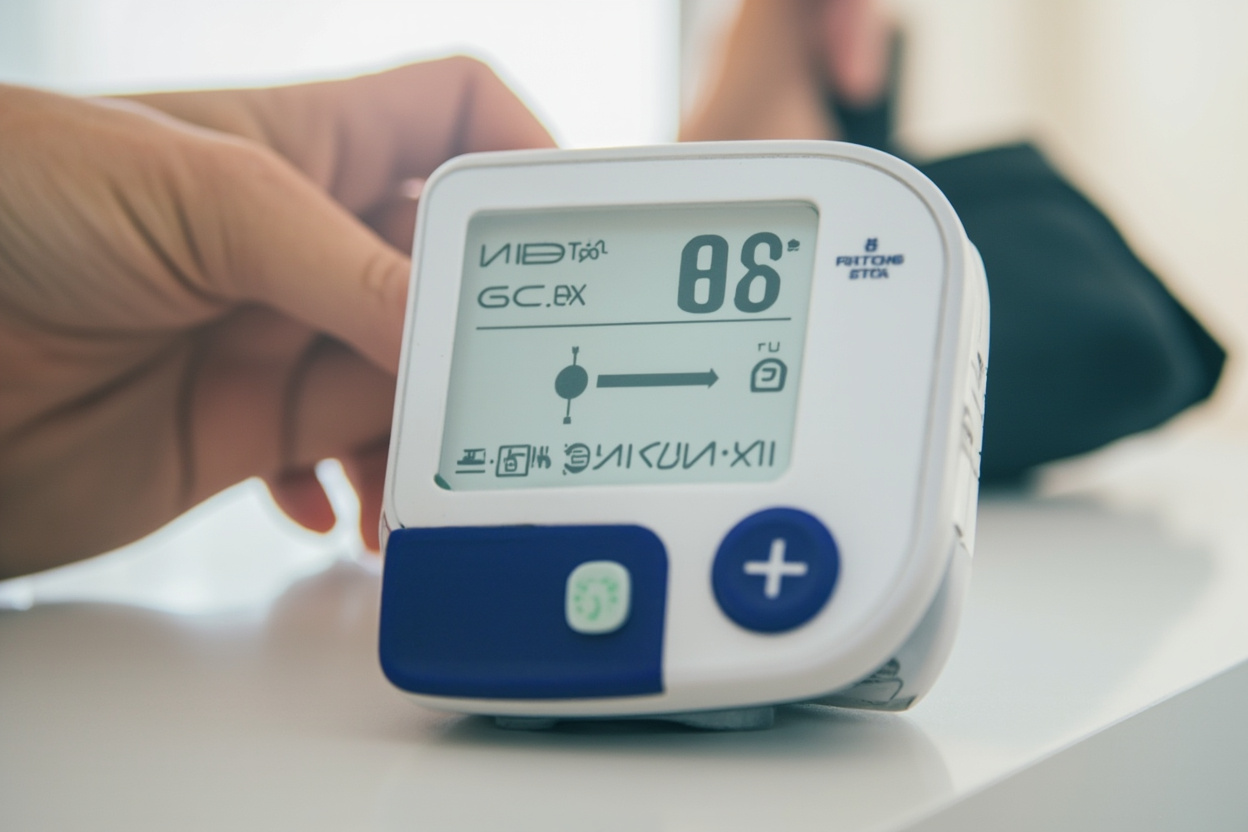
Best Home Blood Pressure Monitor for Seniors 2026: Complete Buyer’s Guide
High blood pressure affects nearly 70% of adults over age 65 in the United States, making it one of the most prevalent health conditions requiring daily management for seniors. Regular monitoring at home has become essential for managing hypertension effectively — studies show that patients who monitor their blood pressure at home have better outcomes and require fewer doctor visits for adjustments.
But choosing the right blood pressure monitor for seniors isn’t straightforward. The market offers dozens of options ranging from $30 basic models to $200 professional-grade devices. Accuracy varies significantly between models, and many monitors designed for general populations don’t work well for seniors with specific needs like limited dexterity, irregular heart rhythms, or large arm sizes.
This comprehensive guide breaks down everything seniors and their caregivers need to know to choose the best home blood pressure monitor in 2026.
Why Seniors Need a Dedicated Home Blood Pressure Monitor

Clinical blood pressure measurements at the doctor’s office represent only a snapshot — they can be affected by white coat syndrome (elevated readings due to anxiety in medical settings) and don’t capture the morning surge or nighttime dipping patterns that are clinically significant.
Home monitoring provides:
- Consistent measurement conditions — same time daily, same position, eliminating white coat effect
- Pattern identification — tracking morning vs evening readings reveals important trends
- Medication effectiveness tracking — seeing how well your current medication regimen controls pressure throughout the day
- Early warning system — detecting sudden spikes or drops that require immediate medical attention
- Reduced office visits — stable patients can share home readings with doctors instead of frequent appointments
For seniors specifically, home monitoring addresses mobility challenges that make frequent clinic visits burdensome while providing the continuous data that doctors need for effective hypertension management.
Understanding Blood Pressure Readings: What the Numbers Mean
Before evaluating monitors, it’s important to understand what you’re measuring. Blood pressure is recorded as two numbers:
Systolic pressure (top number): The pressure in your arteries when your heart beats. This is the maximum pressure and the more clinically significant number for seniors, as systolic hypertension (elevated top number with normal bottom number) is the most common form of hypertension in older adults.
Diastolic pressure (bottom number): The pressure in your arteries between heartbeats. This becomes less important with age — in fact, some guidelines suggest diastolic pressure below 60 may actually indicate increased cardiovascular risk in seniors.
Target readings for most seniors:
- Normal: Systolic below 120 AND Diastolic below 80
- Elevated: Systolic 120-129 AND Diastolic below 80
- High Stage 1: Systolic 130-139 OR Diastolic 80-89
- High Stage 2: Systolic 140+ OR Diastolic 90+
Your doctor may set different targets based on your individual health profile, especially if you have diabetes, kidney disease, or other conditions that complicate management.
Key Features for Seniors: What to Prioritize
When evaluating blood pressure monitors for senior users, these features matter most:
Large, Backlit Display
Many seniors have reduced visual acuity. A large display (at least 1.5 inches for systolic/diastolic numbers) with high contrast makes readings immediately readable without fumbling for reading glasses. Backlighting is essential for reading in any lighting condition — morning light, evening light, or dim rooms.
The OMRON Silver (upper arm) and Withings BPM (upper arm) offer the best displays in their respective categories with large, bright numbers that remain visible even in suboptimal lighting.
One-Touch Operation
Complicated interfaces lead to user error and frustration. Look for monitors with minimal buttons — ideally a single start button that begins the measurement automatically. Some advanced models like the QardioArm and Withings BPM automatically detect improper positioning and guide users verbally.
Memory for Multiple Users
Many senior couples need to track blood pressure separately. Dual-user monitors with 100+ reading memory per user solve this problem. The OMRON Evolv and Withings BPM support two user profiles with hundreds of readings each — essential for households where two people share the device.
Irregular Heartbeat Detection
Atrial fibrillation and other arrhythmias are more common in seniors. Monitors with irregular heartbeat detection (IHB) alert users when an abnormal rhythm is detected, prompting a follow-up with a healthcare provider. This feature can be lifesaving — AFib is a major stroke risk factor.
Wide Range Cuff Size
Standard cuffs fit arms 9-13 inches in circumference. Many seniors, particularly those who have lost weight or are particularly slender, need smaller cuffs (7-9 inches). Conversely, larger seniors may need extended cuffs (13-17 inches or larger). Choosing the wrong cuff size creates inaccurate readings — one of the most common sources of erroneous home blood pressure data.
Look for monitors that offer multiple cuff size options or include a “wide range” cuff that accommodates the broadest spectrum of arm sizes.
AC Adapter Compatibility
Battery-powered monitors create ongoing expense and the risk of dead batteries at critical moments. Look for monitors that can operate via AC adapter (included or optional) while also supporting batteries for travel. This ensures the monitor is always ready when needed without the constant expense of replacement batteries.
Upper Arm vs. Wrist Monitors: Which Is Better for Seniors?
This is the most common question we encounter, and the answer is clear for senior users: upper arm monitors are significantly more accurate than wrist monitors for this demographic.
Why Upper Arm Monitors Are Preferred
Blood pressure at the wrist can differ significantly from upper arm pressure — by as much as 20-30 mmHg in either direction. This differential is caused by arterial stiffness (common in older adults), positioning errors, and the greater distance from the heart.
Wrist monitors are more convenient and compact, but their accuracy depends entirely on proper positioning — the wrist must be held at heart level throughout the measurement. For seniors with tremors, arthritis, or cognitive decline, maintaining this position for the 30-60 seconds of measurement is challenging.
Upper arm monitors, by contrast, are more forgiving of minor positioning variations because the cuff is at the same level as the heart by default. Automatic positioning detection in premium models further reduces user error.
When Wrist Monitors May Be Appropriate
Wrist monitors can work for seniors who:
- Have severe arthritis in both arms making upper arm cuff application impossible
- Have arms too large for any available upper arm cuff (17+ inches)
- Have cognitive or physical limitations that make upper arm cuff use consistently unsuccessful
If using a wrist monitor, strict adherence to the positioning instructions is critical for accuracy. Even then, we recommend validating wrist readings against a upper arm monitor or clinic measurement periodically.
Our Top Recommendations for 2026
Best Overall: OMRON Platinum Blood Pressure Monitor (Upper Arm)
Price: $99 | Cuff size: 9-17 inches (included), larger sizes available | Memory: 200 readings for 2 users
The OMRON Platinum represents the best balance of accuracy, features, and price for seniors. The TruRead mode automatically takes three consecutive readings and displays the average — eliminating the variability that makes single readings confusing. The dualdisplay screen shows current reading alongside average of last three readings.
Bluetooth connectivity allows data syncing to the OMRON Connect app, enabling trend tracking over weeks and months. The large, backlit display is readable in all lighting conditions, and the one-touch start operation requires no instruction for basic use.
Validation: The OMRON Platinum is clinically validated per ISO 81060-2 standards, and its accuracy has been verified in multiple independent studies against mercury sphygmomanometers (the gold standard).
Best Budget Option: OMRON Bronze Upper Arm BP Monitor
Price: $39 | Cuff size: 9-13 inches | Memory: 14 readings
For seniors on a fixed income, the OMRON Bronze delivers core functionality without unnecessary features. It lacks Bluetooth and advanced memory, but provides accurate single readings with large display and one-touch operation. The primary limitation is the cuff size — only fits up to 13 inches — which excludes many seniors with larger arms.
Best Premium Option: Withings BPM Connect
Price: $129 | Cuff size: 9-14.5 inches | Memory: Unlimited via app
The Withings BPM Connect excels in data management — readings sync automatically to the Health Mate app and can be shared with healthcare providers via email or Apple Health integration. The LED display shows color-coded readings (green for normal, yellow for elevated, red for high) making interpretation intuitive.
The primary drawback is the relatively limited cuff range — only up to 14.5 inches. For seniors with larger arms, an alternative is needed.
Best for Limited Mobility: Panasonic EW3109W Upper Arm
Price: $59 | Cuff size: 7-15 inches | Memory: 90 readings
The Panasonic EW3109W features a pre-formed, flexible cuff that’s significantly easier to apply one-handed than traditional wrap cuffs. This is crucial for seniors with arthritis or limited hand strength. The cuff design requires less manipulation to position correctly — simply slide over the arm and secure.
Accuracy is solid (clinically validated), and the display is clear and large. Memory of 90 readings is adequate for most monitoring needs. The primary limitation is the lower quality plastic housing, which may not be as durable as premium alternatives over 5+ years of daily use.
Best Smart Features: QardioArm Smart Blood Pressure Monitor
Price: $99 | Cuff size: 8.7-14.6 inches | Memory: Unlimited via app
The QardioArm is designed for seniors who are comfortable with smartphone technology. The device is compact and sleek, and the accompanying Qardio app provides excellent visualization of trends over time, including morning vs evening patterns. Color-coded feedback (green/yellow/red) makes interpretation immediate.
Family sharing features allow caregivers or adult children to remotely monitor readings — a significant benefit for seniors who live alone. The device detects irregular heartbeat and will alert accordingly.
The primary limitation is that the app is required for initial setup and data viewing — this is not a standalone device in the way traditional monitors are.
Common Mistakes Seniors Make When Using Home Blood Pressure Monitors
Even with a quality monitor, user errors create inaccurate readings. Here are the most common mistakes and how to avoid them:
Incorrect Cuff Positioning
The cuff should be positioned on the bare upper arm, 1-2 cm above the elbow crease, with the tube running down the inner arm toward the hand. Placing the cuff over clothing (even thin shirts) significantly affects accuracy. The bladder inside the cuff needs direct contact with the skin.
Wrong Body Position
Measurements should be taken while seated with back supported, feet flat on the floor, and arm resting on a flat surface (like a table) with the upper arm at heart level. Crossing legs or allowing the arm to hang unsupported creates measurement errors of 5-20 mmHg.
Not Resting Before Measurement
Take measurements after sitting quietly for 5 minutes with an empty bladder. Talking or moving during measurement increases readings. Avoid measuring immediately after eating, exercising, or experiencing emotional stress.
Inconsistent Timing
Blood pressure varies throughout the day — morning readings are typically highest due to natural circadian rhythms. For meaningful trend data, measure at the same times each day. We recommend morning (before medication) and evening (before bed) as standard measurement times.
One Measurement Only
A single reading can be misleading due to natural variability. The American Heart Association recommends taking 2-3 readings, one minute apart, and averaging the results. Many modern monitors (like the OMRON Platinum) have automated this with their TruRead or similar modes.
Cuff Size Guide: Are You Using the Right Cuff?
Using an incorrectly sized cuff is the most common source of inaccurate home blood pressure readings. Here’s how to determine your correct cuff size:
To measure your arm: Use a flexible tape measure (or a string that you then measure against a ruler). Measure the circumference of your upper arm at the midpoint between your shoulder and elbow.
- Small (7-9 inches): Requires a “small adult” or “slim” cuff
- Medium (9-13 inches): Standard adult cuff (most monitors include this)
- Large (13-17 inches): Requires a “large adult” or “large cuff”
- Extra Large (17+ inches): Requires an “extra-large” or “wide range” cuff — fewer monitors support this
If you’re between sizes, always choose the larger cuff. A cuff that’s too small artificially inflates readings (sometimes by 10-20 mmHg), while a too-large cuff may slightly underestimate readings. The error from wrong cuff size exceeds the error from using a slightly large cuff.
Maintaining Your Monitor: Tips for Long-Term Accuracy
Like any measuring instrument, blood pressure monitors require periodic maintenance and validation:
- Replace batteries regularly — low batteries cause erratic readings. Remove batteries if the monitor won’t be used for several months.
- Store properly — extreme temperatures and humidity affect accuracy. Avoid bathroom storage where shower steam creates humidity.
- Validate against clinic measurements — bring your monitor to a doctor’s appointment and compare against the office sphygmomanometer annually. If readings differ by more than 10 mmHg, consider having your monitor serviced or replaced.
- Replace cuffs when damaged — cracked hoses, torn bladders, or Velcro that no longer secures all affect accuracy and should be replaced.
Medicare and Insurance Coverage for Blood Pressure Monitors
Good news for seniors: Medicare Part B covers blood pressure monitors when deemed medically necessary by a physician. The coverage typically falls under Durable Medical Equipment (DME), requiring a doctor’s order and purchase from a Medicare-approved supplier.
Many private insurance plans also cover blood pressure monitors with a prescription. Check with your insurance provider about their specific requirements and whether they prefer specific brands or retailers.
For those without insurance coverage, the monitors recommended above range from $39-$129 — a reasonable investment for the health monitoring benefits they provide.
Our Final Recommendations
For most seniors, we recommend the OMRON Platinum as the best overall choice — it offers the most complete feature set at a reasonable price, with the accuracy and durability that seniors require. The TruRead mode eliminates single-reading variability, and the dual-user memory with Bluetooth connectivity provides excellent data management capabilities.
For those on a fixed budget, the OMRON Bronze delivers core functionality at an accessible price point, provided your arm circumference fits the included cuff.
For seniors with larger arms who have struggled to find comfortable monitors, the Panasonic EW3109W with its flexible pre-formed cuff offers the most accessible design available.
For reliable home blood pressure monitoring that seniors can trust, explore medical-grade blood pressure monitors with clinically validated accuracy. The right monitor is an investment in your long-term health.
Disclosure: We may earn a commission at no extra cost to you if you make a purchase through our links. This site contains affiliate links.
Consistent home blood pressure monitoring is one of the most impactful steps seniors can take for their cardiovascular health. The data you collect empowers your healthcare provider to make better medication decisions, identifies concerning trends before they become emergencies, and provides peace of mind that your blood pressure is under control. Choose a monitor that fits your specific needs, use it consistently, and share the data with your healthcare team at every visit.
Leave a Reply