
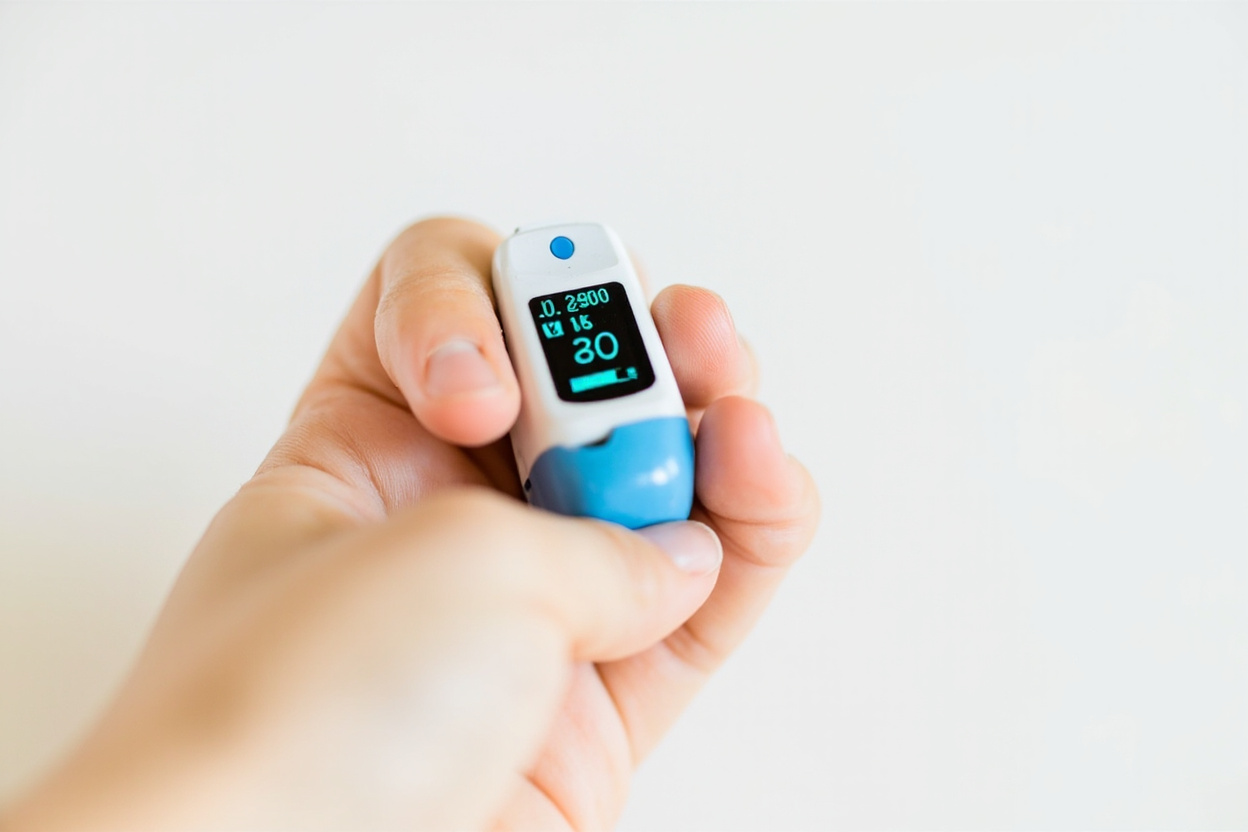
Pulse oximeters became household essentials during the pandemic, and many people discovered their value for monitoring respiratory health at home. But not all pulse oximeters deliver reliable readings.
This guide cuts through the marketing noise to identify the most accurate and reliable pulse oximeters for home use in 2024.
How Pulse Oximeters Work
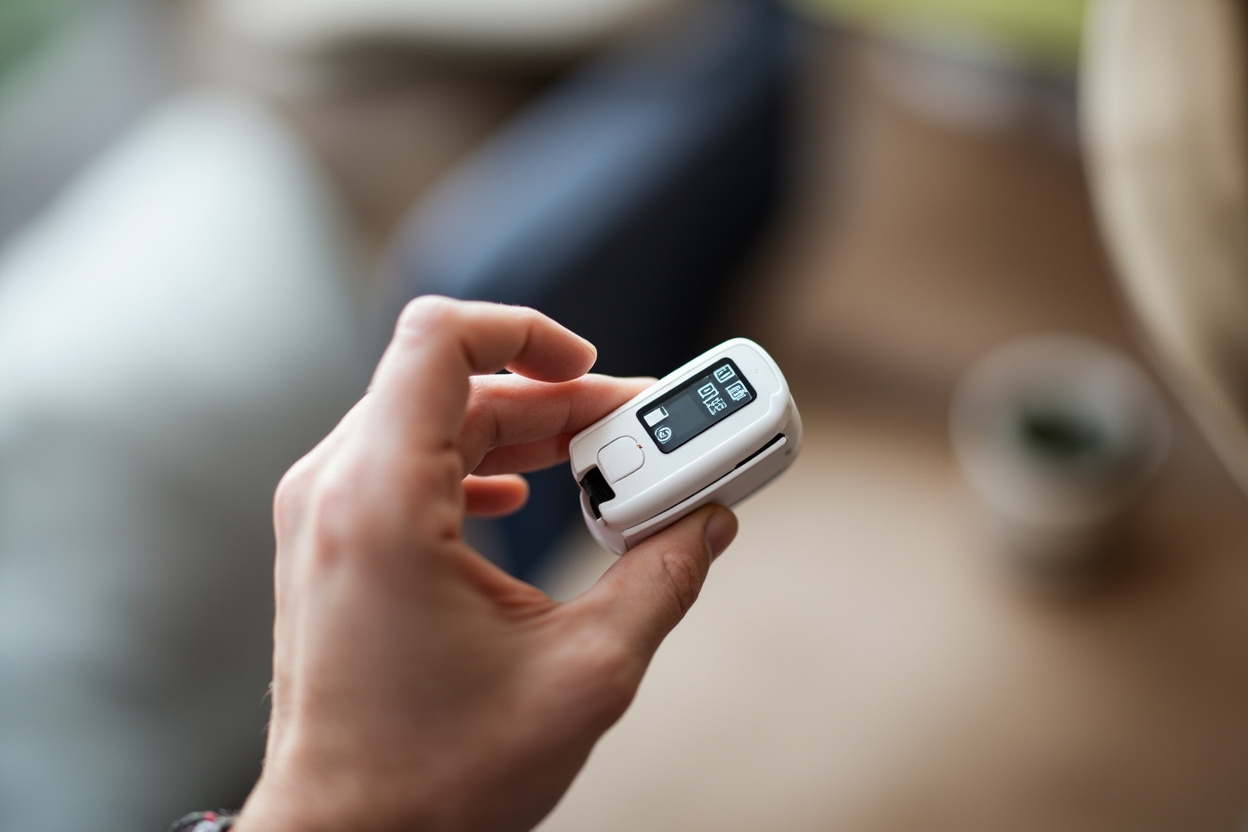
A pulse oximeter measures blood oxygen saturation (SpO2) by shining light through your fingertip. The device detects how much oxygen your red blood cells are carrying compared to their maximum capacity.
Normal SpO2 readings range from 95–100%. Readings below 92% for adults warrant medical attention, particularly if accompanied by symptoms like shortness of breath or confusion.
What to Look for in a Home Pulse Oximeter
Accuracy
FDA-cleared pulse oximeters must meet accuracy standards (±3% of the actual SpO2 value). Look for the words “FDA cleared” or “FDA approved” on packaging.
Display Quality
OLED displays with adjustable brightness show readings clearly for users of all ages. LED displays may be harder to read in bright light.
Perfusion Index
A perfusion index (PI) reading tells you if the device can detect your pulse reliably. Higher PI (typically above 1%) indicates stronger signal detection, useful for people with poor circulation.
Battery Life
Rechargeable models cost more upfront but eliminate ongoing battery replacement. AAA battery models are cheaper but require regular battery changes.
Top Pulse Oximeters for Home Use 2024
1. Masimo MightySat Bluetooth — Best Overall
The Masimo MightySat represents the gold standard for consumer pulse oximetry. Used in hospitals worldwide, Masimo’s signal processing technology delivers accuracy even during movement.
The Bluetooth version syncs readings to smartphone apps, allowing you to track trends over time. The OLED display is crisp and adjusts automatically to ambient light.
Price: $249 | Accuracy: 9.5/10 | FDA Status: Cleared
2. Nonin Onyx Vantage 9590 — Best Value
Nonin is the brand hospitals trust, and the Onyx Vantage 9590 brings hospital-grade accuracy to home use at an accessible price. The proprietary SmartMusic sensor handles motion and low perfusion better than budget alternatives.
Price: $165 | Accuracy: 9/10 | FDA Status: Cleared
3. Zacurate Pro Series 500DL — Best Budget
The Zacurate 500DL delivers surprisingly good accuracy at a fraction of the premium price. The large OLED display and 4-directional display rotation make it easy to use solo.
Price: $27 | Accuracy: 7.5/10 | FDA Status: Cleared
4. Wellvue Pulse Oximeter X 100 — Best for Continuous Monitoring
With a padded spring clip and extended battery life, the Wellvue X100 is designed for overnight monitoring. Useful for tracking sleep apnea treatment effectiveness or monitoring COPD patients.
Price: $45 | Accuracy: 7.5/10 | FDA Status: Cleared
5. Santax Tontio — Best for Athletes
Designed for athletes tracking oxygen saturation during training at altitude, the Santax Tontio combines quick-read accuracy with app connectivity for trend tracking.
Price: $59 | Accuracy: 8/10 | FDA Status: Cleared
🎁 AliExpress Summer Sale — Up to 70% OFF + Extra Coupons
Pulse Oximeter Accuracy: What the Research Says
Studies consistently show that consumer pulse oximeters have lower accuracy than hospital-grade devices. However, FDA-cleared home devices remain sufficiently accurate for general health monitoring.
Important caveats:
- Dark nail polish, cold hands, and poor circulation can affect readings
- Motion during measurement causes inaccuracies
- Home devices are less accurate below 90% SpO2
- Trends over time are more meaningful than single readings
How to Get Accurate Readings
- Warm your hands before measurement if fingers are cold
- Remove nail polish or use a finger without polish
- Sit still for 5 minutes before measuring
- Use the middle or ring finger — these typically yield best readings
- Take 3 readings and use the average if results vary
Common Questions
Is a pulse oximeter necessary at home?
If you have respiratory conditions (asthma, COPD, COVID recovery), a pulse oximeter helps track whether symptoms require medical attention. For healthy individuals without respiratory risk, home pulse oximetry offers limited benefit.
What SpO2 reading should concern me?
Readings of 95–100% are normal. Readings of 92–94% warrant a call to your doctor, especially if you feel unwell. Readings below 92% require prompt medical attention.
Why do readings fluctuate?
Readings naturally fluctuate with breathing, movement, and circulation changes. Significant variation (more than 3% between measurements) may indicate poor circulation or measurement error.
Which finger gives the most accurate reading?
Studies suggest the middle and ring fingers of the dominant hand typically yield the highest readings, but all fingers should be within 2–3% of each other in healthy individuals.
Ready to Shop Smart? Save Big on Quality Products →
Leave a Reply