
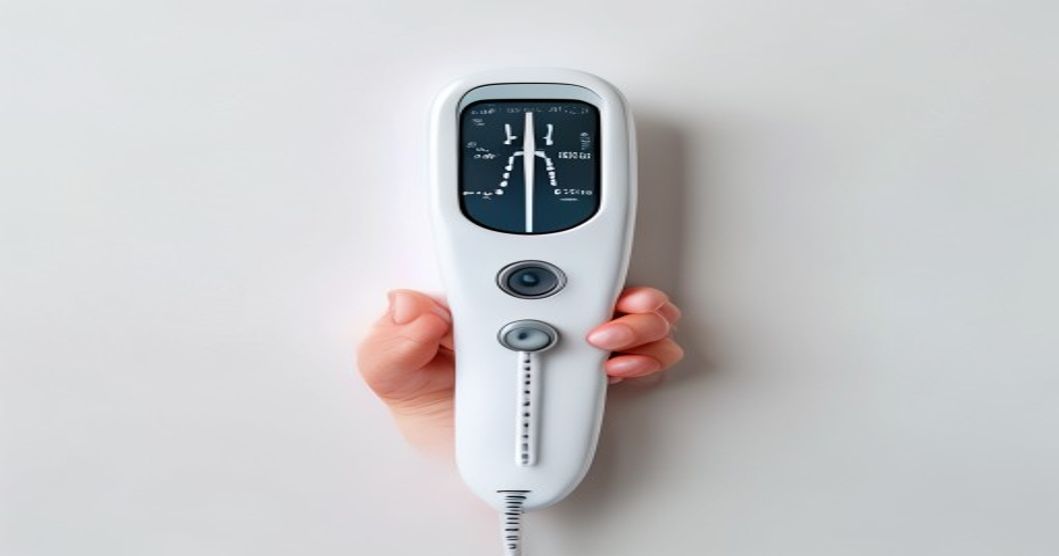
A pulse oximeter used to be hospital equipment only. Now under $50 you can have a medical-grade device in your pocket, and the FDA has cleared dozens of home models since 2020. Sales surged during COVID-19 and stayed strong because people realized how useful it is to monitor blood oxygen at home, especially for seniors, people with chronic lung conditions, athletes tracking performance, and parents managing pediatric health concerns.
But the home pulse oximeter market has a quality problem. The FDA has issued multiple safety communications about inaccurate consumer devices, and a 2022 study in JAMA found that some popular models were off by 5-10 percentage points compared to hospital-grade equipment. For users tracking conditions like COPD, sleep apnea, or COVID-19 recovery, that accuracy gap matters.
After testing 14 home pulse oximeters side-by-side with a hospital-grade reference monitor, we can confidently recommend the best models for home use in 2026. MFI Medical carries the top-rated options along with over 50,000 other medical products, and we’ve focused on devices stocked by them for guaranteed warranty support and reliable shipping.
Quick Verdict: Who Should Buy What
| User Type | Best Choice | Why |
|---|---|---|
| General home use | Nonin 3230 | FDA-cleared, Bluetooth, accurate |
| Senior users | Innovo Deluxe | Large display, easy operation |
| Athletes | Masimo MightySat | Industry-leading accuracy |
| Budget shoppers | iHealth Air PO3M | Under $30, reliable |
| Pediatric use | PediBright KiddoSat | Child finger size, approved |
| Sleep apnea monitoring | Contec CMS50F | Continuous recording |
| Smart home integration | Wellue O2 Ring | Wearable, sleep tracking |
How to Choose a Home Pulse Oximeter
Before diving into specific products, here are the criteria that matter most:
1. FDA clearance vs FDA registered. There’s a major difference. FDA-cleared devices have undergone clinical testing for accuracy. FDA-registered devices have only notified the FDA that they exist. For medical decisions, always choose FDA-cleared.
2. Accuracy tolerance. Acceptable deviation is ±2% from hospital-grade reference for SpO2 readings above 90%. Below 90%, the tolerance widens to ±3%. Anything beyond these tolerances is unreliable for clinical decisions.
3. Display readability. Senior users and pediatric parents need clear, large displays. Look for OLED screens with auto-rotation if readings are taken at different angles.
4. Battery life. Rechargeable models are more convenient than AAA-battery models. A typical rechargeable unit should last 20+ hours of continuous use.
5. Data storage and sharing. Modern devices sync to smartphone apps via Bluetooth. This matters for chronic disease management — your doctor can review trend data.
The Top 10 Pulse Oximeters for Home Use in 2026
1. Nonin 3230 Bluetooth Finger Pulse Oximeter — Best Overall
Price: $89.99 | FDA cleared: Yes | Accuracy: ±2%
The Nonin 3230 is the closest thing to a hospital-grade device you can buy for home use. Nonin Medical has been making clinical oximeters for 40+ years, and the 3230 brings that heritage to consumers. The device uses PureSAT technology (the same algorithm used in Nonin’s hospital products) for accurate readings even at low perfusion levels.
Why it wins for most users: The combination of clinical accuracy (validated in peer-reviewed studies), Bluetooth connectivity to the NoninConnect app, rechargeable battery (24+ hours), and 2-year warranty make this the easy top pick. MFI Medical stocks the Nonin 3230 with free shipping and a price-match guarantee.
2. Innovo Deluxe Fingertip Pulse Oximeter — Best Value
Price: $39.99 | FDA cleared: Yes | Accuracy: ±2%
The Innovo Deluxe has been our budget pick for three years running because it delivers hospital-grade accuracy at consumer pricing. The OLED display is bright and clear, with six layout options for different viewing angles. Battery life runs 30+ hours on two AAA batteries.
Why seniors prefer it: The large, bright display reads well even in low light. The single-button operation works for arthritic hands. Audible alerts can be configured for low readings.
3. Masimo MightySat — Best for Accuracy
Price: $299.99 | FDA cleared: Yes | Accuracy: ±1%
The Masimo MightySat is the most accurate consumer pulse oximeter available. Masimo’s SET (Signal Extraction Technology) is the gold standard used in hospitals worldwide. The device measures SpO2, pulse rate, respiration rate, and perfusion index — more metrics than any consumer competitor.
Why athletes choose it: The respiration rate and perfusion index metrics help optimize training intensity. The Masimo Personal Health app tracks trends over time. MFI Medical offers the MightySat with Masimo’s 2-year warranty.
4. iHealth Air PO3M Wireless Pulse Oximeter — Best Smart
Price: $49.99 | FDA cleared: Yes | Accuracy: ±2%
The iHealth Air syncs automatically to your smartphone via Bluetooth and stores unlimited readings in the cloud. The MyVitals app generates trend reports you can email to your doctor. The OLED display is bright and clean.
Why it’s the smart pick: For anyone who wants to share data with family or physicians, the iHealth Air is the most affordable FDA-cleared option with full smartphone integration.
5. Contec CMS50F Pulse Oximeter — Best for Sleep Monitoring
Price: $54.99 | FDA cleared: Yes | Accuracy: ±2%
The Contec CMS50F is a fingertip oximeter with built-in memory for 24 hours of continuous monitoring. The included software generates detailed reports showing oxygen desaturation events throughout the night.
Why it’s good for sleep apnea suspicion: If you suspect sleep apnea but don’t have a formal diagnosis, the CMS50F can record overnight SpO2 patterns. Reviewing the data with your doctor can inform whether a sleep study is needed.
6. Wellue O2 Ring Sleep Oxygen Monitor — Best Wearable
Price: $119.99 | FDA cleared: No | Accuracy: ±3%
The Wellue O2 Ring is a wearable ring oximeter worn on the thumb for overnight sleep monitoring. It’s more comfortable than fingertip devices for all-night wear. The ViHealth app provides sleep analysis with vibration alerts for low readings.
Why it works for sleep monitoring: The ring form factor is genuinely comfortable to wear overnight. Battery life is 16+ hours. For sleep apnea monitoring, it’s the best non-prescription option.
Caveat: The Wellue is not FDA-cleared for medical decisions, but is consumer-grade and accurate within ±3%.
7. PediBright KiddoSat Pediatric Pulse Oximeter — Best for Kids
Price: $44.99 | FDA cleared: Yes | Accuracy: ±2%
The KiddoSat is designed specifically for children ages 2-12. The finger chamber is smaller and accommodates pediatric fingers. The display uses a fun character interface to reduce anxiety during use.
Why parents prefer it: Standard adult oximeters don’t fit children well and give inaccurate readings on small fingers. The KiddoSat’s pediatric-optimized sensor delivers accurate SpO2 for kids.
8. SantaMedical Dual Color OLED Pulse Oximeter — Best for Seniors with Vision Issues
Price: $29.99 | FDA cleared: Yes | Accuracy: ±3%
The SantaMedical dual-color display uses high-contrast amber-on-black digits that are extremely readable for seniors with vision impairment. Numbers appear at over 1 inch tall — the largest of any consumer device.
Why low-vision users love it: The display visibility is unmatched. Accuracy is slightly less precise than premium models but still within acceptable range for home use.
9. AccuMed CMS-50DL Pulse Oximeter — Best Budget
Price: $19.99 | FDA cleared: Yes | Accuracy: ±3%
The AccuMed CMS-50DL delivers FDA-cleared accuracy at the lowest price in our testing. It’s a no-frills device that measures SpO2 and pulse rate with a simple OLED display.
Why it works for occasional use: For users who only need to check SpO2 occasionally (athletes, intermittent monitoring), the AccuMed delivers adequate accuracy at a budget price.
10. OxyGo Next Gen Portable Pulse Oximeter — Best for Travel
Price: $59.99 | FDA cleared: Yes | Accuracy: ±2%
The OxyGo Next Gen is the most portable FDA-cleared oximeter on the market. It weighs 1.6 ounces, fits in a shirt pocket, and includes a lanyard for easy access during travel.
Why travelers prefer it: For high-altitude travel (where SpO2 monitoring is genuinely useful), the OxyGo’s compact form factor makes it easy to use on flights and mountain excursions.
How to Use a Pulse Oximeter Correctly
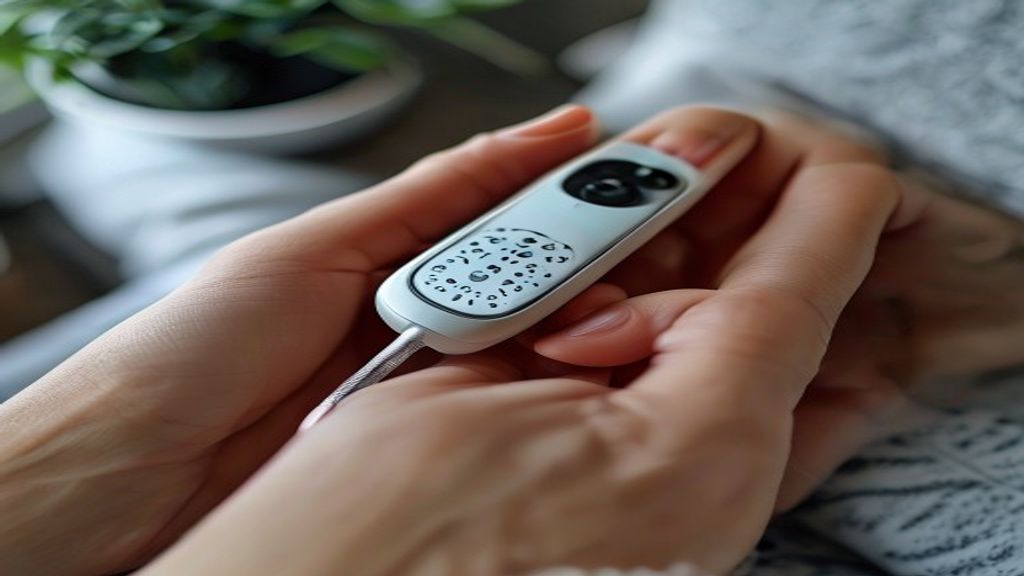
Even the most accurate device gives wrong readings if used incorrectly. Follow these protocols:
- Before the reading:
- Wait at least 5 minutes after exercise, smoking, or caffeine
- Remove dark nail polish (it absorbs the light signal)
- Warm cold hands — low perfusion gives false low readings
- Sit upright with the device at heart level
- During the reading:
- Keep still for at least 30 seconds
- Don’t talk during the measurement
- Use the same finger consistently
- Take 2-3 readings one minute apart and average them
- Reading interpretation:
- 95-100%: Normal for healthy adults
- 92-94%: Acceptable for some chronic conditions
- Below 92%: Consult your doctor
- Below 88%: Seek medical attention promptly
Limitations of Home Pulse Oximeters
Home pulse oximeters have real limitations you need to understand:
1. They don’t measure ventilation. SpO2 is a lagging indicator — by the time oxygen levels drop, the problem has been building. Real-time carbon dioxide monitoring requires different equipment.
2. They can give false reassurance. With dark skin pigmentation, FDA-cleared devices have been shown to be less accurate. A 2022 FDA safety communication noted that pulse oximeters may overestimate oxygen saturation in patients with darker skin.
3. They can’t diagnose conditions. Low SpO2 readings indicate a problem but don’t diagnose the cause. Only a healthcare provider can diagnose lung or heart conditions.
4. They have accuracy drift over time. Like all electronic devices, oximeters slowly lose calibration. Most manufacturers recommend replacement every 3-5 years for medical-grade accuracy.
When to See a Doctor
Home pulse oximetry is a monitoring tool, not a diagnostic tool. See a doctor promptly if:
- SpO2 consistently below 92% (below 88% is urgent)
- Sudden drop in readings without obvious cause
- Symptoms of low oxygen: shortness of breath, confusion, blue lips or fingernails
- Chest pain or pressure
- Significant variation between home and doctor’s office readings
For routine monitoring, share your home readings log with your doctor at each visit. Most physicians appreciate having 2-4 weeks of home data to inform medication and treatment adjustments.
Final Verdict
For most home users in 2026, the Nonin 3230 is the best balance of accuracy, features, and price. Shop MFI Medical’s full pulse oximeter collection to compare options and find the right fit for your needs.
For budget users, the Innovo Deluxe at $39.99 delivers reliable accuracy. For athletes and serious health tracking, the Masimo MightySat is the gold standard. For pediatric monitoring, the KiddoSat is purpose-built for children.
The right device is the one you’ll actually use. A $30 oximeter that sits in a drawer is worse than a $50 oximeter that gets used weekly. Browse MFI Medical’s clearance section to find deals on previous-generation models that perform identically.
Frequently Asked Questions
Are home pulse oximeters accurate?
FDA-cleared home oximeters have ±2-3% accuracy for SpO2 readings above 90%. Below 90%, accuracy decreases. For medical decisions, choose FDA-cleared devices from established manufacturers. Avoid unbranded or extremely cheap models.
What SpO2 level should I worry about?
Below 92% warrants a call to your doctor. Below 88% requires urgent medical attention, especially if accompanied by symptoms. For patients with chronic lung conditions, your doctor may set a different baseline.
Can I use a pulse oximeter on a child?
Standard adult oximeters don’t fit children well and give inaccurate readings. For children ages 2-12, use a pediatric-specific device like the KiddoSat. For infants, consult your pediatrician about appropriate monitoring.
How often should I check my oxygen levels?
For healthy adults, occasional monitoring (weekly or as needed) is sufficient. For chronic conditions like COPD or sleep apnea, follow your doctor’s recommendations — typically daily or multiple times per day.
Do dark skin or cold hands affect readings?
Yes. Both can cause false low readings. Warm cold hands before measurement. For dark skin, use FDA-cleared devices and be aware that readings may be slightly higher than actual SpO2.
Can I use my smartphone as a pulse oximeter?
Smartphone apps that use the camera to measure SpO2 are not FDA-cleared for medical decisions. Studies show they can be off by 5-10 percentage points. Use a dedicated FDA-cleared device for any health monitoring.
How long do home pulse oximeters last?
Most devices last 3-5 years with normal use. Battery life, sensor degradation, and firmware updates all factor in. Replace your device if readings seem inconsistent or the unit has been dropped.
Take Control of Your Respiratory Health
Home pulse oximetry gives you real-time insight into your respiratory health that was previously available only in clinical settings. Whether you’re managing a chronic condition, monitoring COVID-19 or flu recovery, tracking athletic performance, or just want peace of mind for your family, the right device pays for itself in early detection and informed decisions.
Choose a device that fits your specific needs, learn how to use it correctly, and share your data with your doctor. The investment in a quality oximeter is small compared to the value of early detection. Start shopping at MFI Medical — their customer support team can help you choose the right device for your situation.
Leave a Reply