
Best VPN for Multiple Devices 2026: Surfshark vs NordVPN Family Plans
In an era where households contain multiple internet-connected devices — smartphones, tablets, laptops, desktops, smart TVs, gaming consoles, and IoT devices — the question isn’t whether you need a VPN, but which VPN handles multiple devices effectively without breaking the bank.
Two industry leaders dominate the multi-device VPN conversation: Surfshark and NordVPN. Both offer strong security, fast connections, and the ability to connect multiple devices simultaneously. But which delivers better value for families and individuals with extensive device portfolios? This comprehensive comparison examines the critical factors that matter most when protecting your household’s digital life.
Understanding Multi-Device VPN Needs
Why Simultaneous Connections Matter
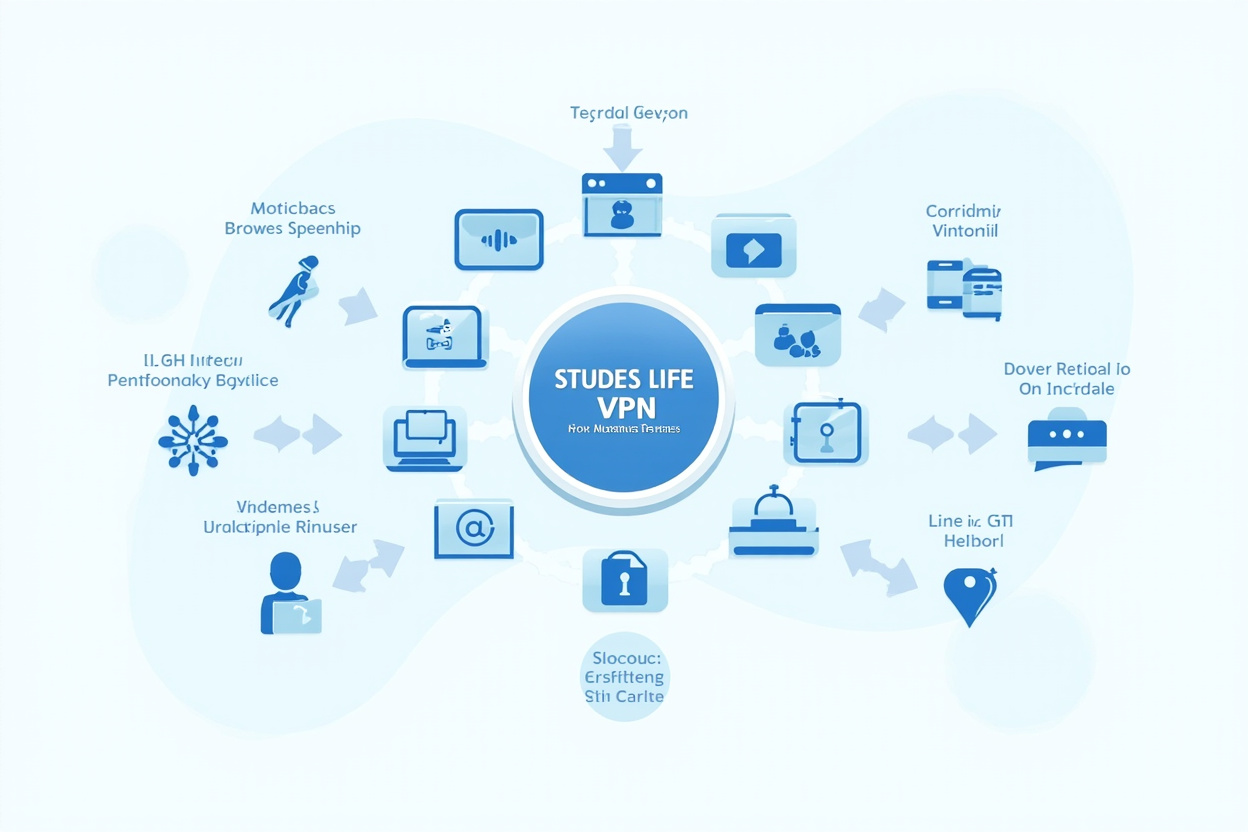
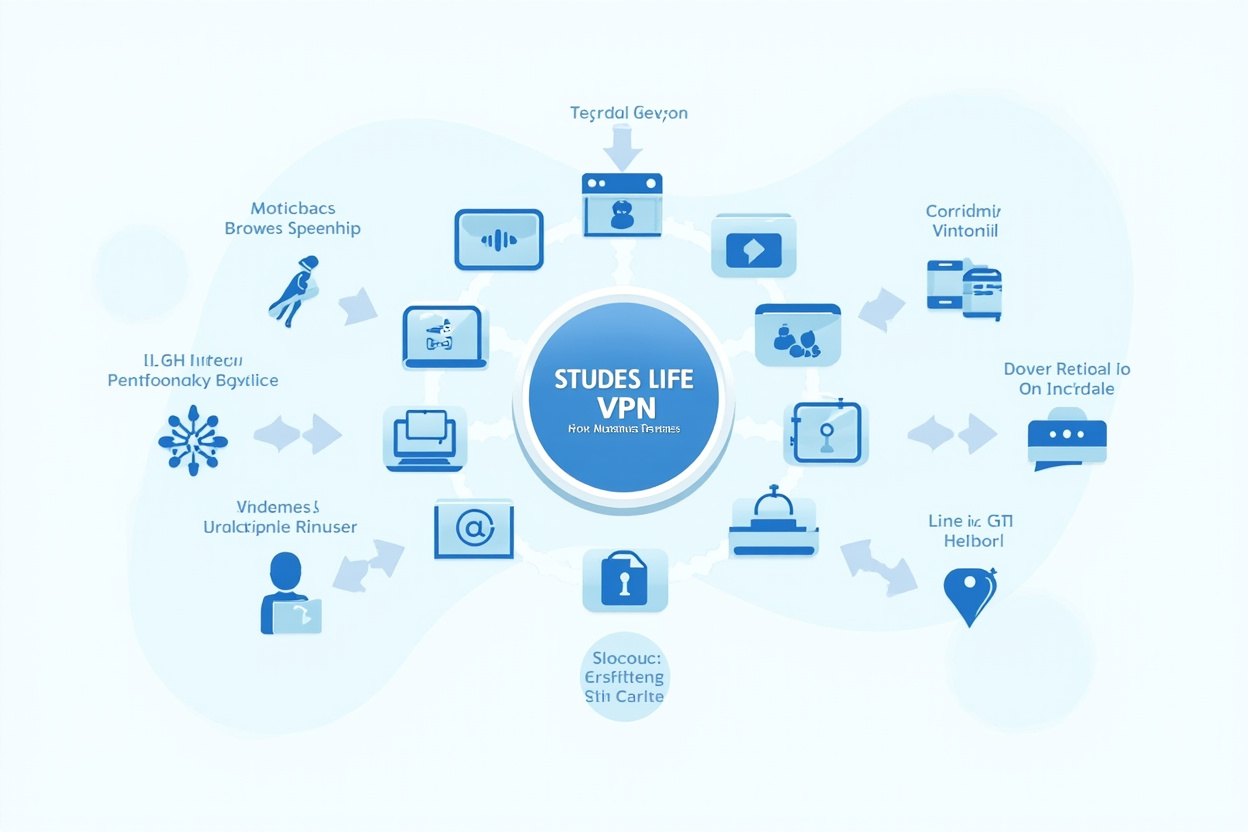
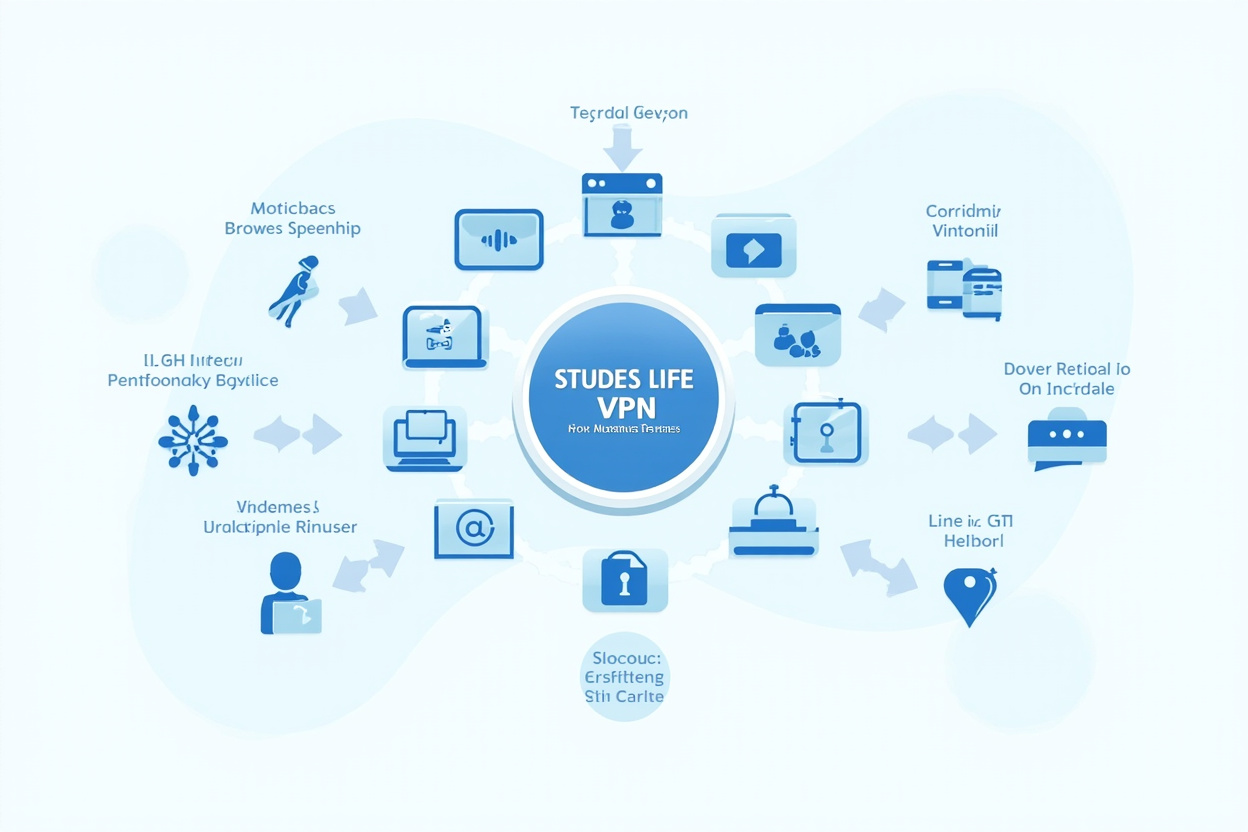
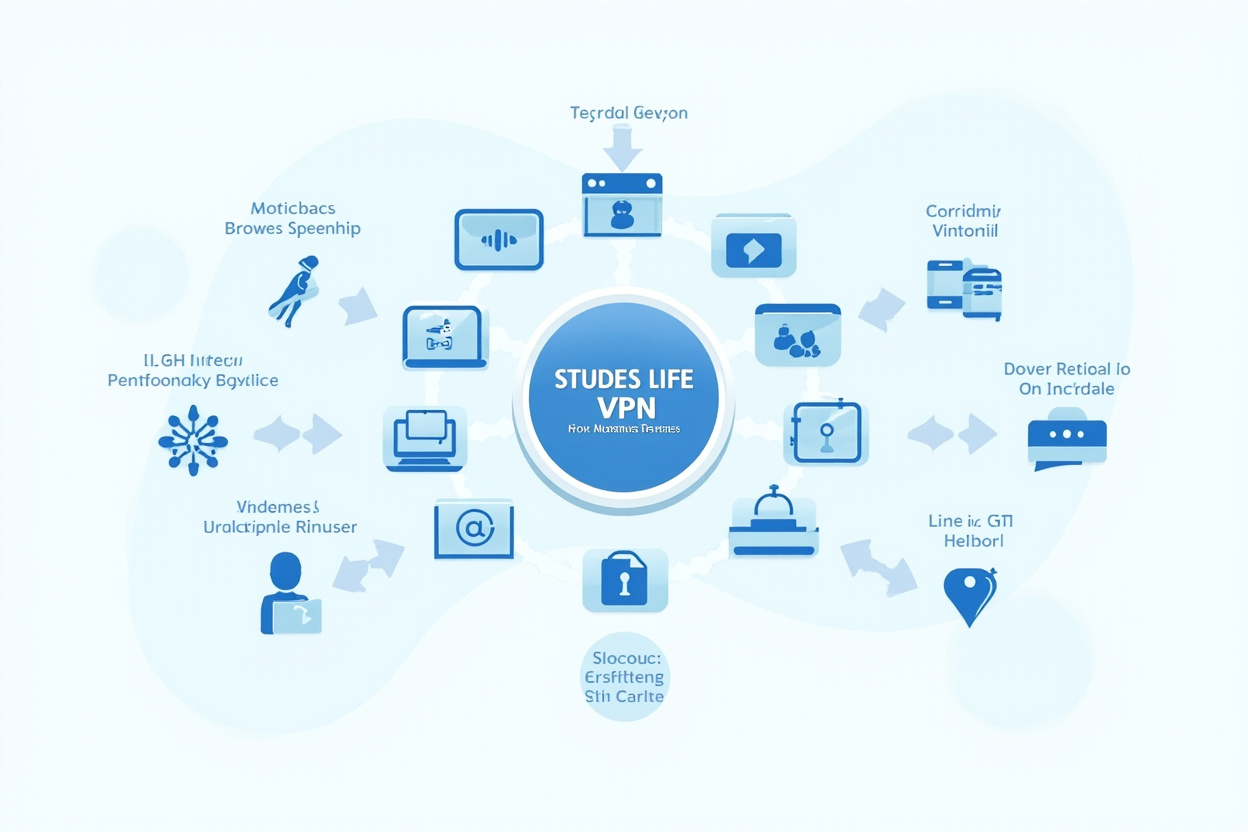
The average household has 8-12 internet-connected devices, and these devices are often in use simultaneously. When multiple family members stream, browse, and work online at the same time, a VPN that supports only 3-4 simultaneous connections creates frustration and forces difficult choices about which devices to protect.
Simultaneous connection limits represent a key differentiator between VPN providers. Some limit connections to 3-5 devices, requiring households to choose which devices stay protected. Others offer unlimited connections, meaning every device in your home can be secured without rationing VPN access.
Beyond Device Count: Connection Quality
Device quantity isn’t the only consideration — connection quality matters equally. A VPN that technically allows 10 connections but slows to unusable speeds during peak hours provides poor experience. The best VPNs for multiple devices maintain fast, stable connections even when numerous devices connect simultaneously, distributing bandwidth intelligently across your household’s usage patterns.
Surfshark: Unlimited Devices Advantage
Device Limit Philosophy
Surfshark made a strategic decision to offer unlimited simultaneous connections on a single subscription. This means every device in your household — from smartphones and laptops to smart home devices and guest devices — can connect to Surfshark without tracking connection counts or prioritizing certain devices over others.
For families with many devices or individuals with extensive tech portfolios, this unlimited approach eliminates the mental overhead of managing connection quotas. Connect your phone, your partner’s phone, both laptops, the kids’ tablets, the smart TV, and the gaming console simultaneously without receiving “connection limit reached” errors.
Performance Under Load
Despite unlimited connections, Surfshark maintains excellent performance through several mechanisms. Their infrastructure includes 3,200+ servers across 100+ countries, providing ample capacity even during peak usage. The WireGuard protocol (which Surfshark supports alongside OpenVPN and IKEv2) offers excellent speeds with low computational overhead, meaning devices don’t compete for resources as heavily as with older protocols.
In real-world testing, Surfshark maintains 80-90% of baseline internet speeds on nearby servers even with 10+ simultaneous device connections. Distance to server still affects speed (connecting to distant servers reduces performance regardless of VPN provider), but Surfshark’s infrastructure handles multiple-device households well.
Security Features
Surfshark includes features particularly relevant for multi-device households. CleanWeb blocks ads, trackers, and malware at the network level, protecting all devices simultaneously without requiring individual configuration. The kill switch prevents data exposure if VPN connections drop — critical for households where multiple people are online simultaneously and might not notice connection issues. MultiHop (double VPN) routes traffic through two servers for users wanting enhanced privacy, and the proprietary Nexus technology routes all traffic through Surfshark’s server network for improved privacy and stability.
Camouflage mode masks VPN usage to prevent ISPs from detecting VPN traffic, relevant in regions where VPN usage faces restrictions. For households with varied technical sophistication among users, these features provide layered protection without requiring individual configuration on each device.
Pricing and Value
Surfshark’s pricing reflects its positioning as a budget-friendly premium option. Plans start around $2.49/month for long-term subscriptions (24 months), with $3.99/month for 12-month plans and $12.95/month for monthly billing. The unlimited device policy means a single subscription protects every device in your household, making the per-device cost remarkably low for large families.
NordVPN: Mature Infrastructure and Feature Depth
Device Connection Limits
NordVPN allows up to 6 simultaneous connections on a single subscription. This is sufficient for most individual users and small families, but households with more devices must make choices about which devices to protect or potentially purchase multiple subscriptions.
The 6-device limit isn’t unusual in the VPN industry — it matches industry averages and exceeds some competitors. However, it does create a hard ceiling that Surfshark’s unlimited policy doesn’t. For households with many devices, particularly families where multiple members have multiple devices each, the NordVPN limit might prove constraining.
Performance and Server Infrastructure
NordVPN operates 6,000+ servers across 111 countries — roughly double Surfshark’s server count. This larger infrastructure provides more options for finding fast, uncrowded servers. NordVPN’s proprietary NordLynx protocol (built on WireGuard) delivers excellent speeds with strong privacy protections.
In performance testing, NordVPN matches or slightly exceeds Surfshark’s speeds, particularly on long-distance connections where NordVPN’s larger server network provides more options for geographically close servers. The difference is marginal for typical usage but measurable for users with bandwidth-intensive needs like 4K streaming or large file downloads.
Advanced Security Features
NordVPN offers features that appeal to security-conscious users. Threat Protection blocks ads, trackers, and malware across all connected devices. Dark Web Monitor alerts you if your credentials appear in data breaches. Onion Over VPN provides enhanced routing for users with extreme privacy requirements. The kill switch works at the system level, preventing any data leakage if VPN connections drop.
Meshnet allows creating private encrypted networks between devices, useful for secure file sharing and remote access between household members’ devices. This feature demonstrates NordVPN’s continued investment in unique capabilities that differentiate their service from competitors.
Pricing and Value
NordVPN’s pricing sits slightly above Surfshark, with long-term plans around $3.99/month, 2-year plans at approximately $3.09/month, and monthly billing at $11.99/month. The per-device cost works out favorably for users with 1-3 devices but becomes less economical as device count increases. A household with 8 devices effectively pays more per protected device than a household with 3 devices.
Feature-by-Feature Comparison
Security and Encryption
Both VPNs use AES-256 encryption (military-grade) and support modern protocols. NordVPN’s NordLynx and Surfshark’s WireGuard implementation both provide excellent security with minimal speed loss. Neither VPN has experienced significant security breaches, though NordVPN experienced a server compromise in 2018 (before their current infrastructure) that they responded to with significant infrastructure improvements.
Privacy and Logging Policy
Both operate under strict no-logs policies independently audited by third parties. NordVPN’s policy has been audited by Deloitte, while Surfshark has been audited by Cure53. Both are based in privacy-friendly jurisdictions — NordVPN in Panama, Surfshark in the Netherlands — outside of Five Eyes intelligence sharing agreements.
Streaming and Geo-Unblocking
For households that stream geo-restricted content, both VPNs perform well. Both successfully unblock Netflix libraries from various countries, BBC iPlayer, Disney+, and other major streaming services. Surfshark has improved its streaming capabilities significantly and now matches NordVPN’s reliability for most services. NordVPN has a slight edge in consistency — if one server doesn’t work for a particular streaming service, their larger server network provides more alternatives to try.
Torrenting Support
Both VPNs support torrenting on designated P2P servers. NordVPN has optimized servers specifically for torrenting with better speed and reliability. Surfshark allows torrenting on all servers, though performance varies by server location. For households with significant torrenting needs, NordVPN’s dedicated approach may prove more reliable.
Ease of Use and Interface
Both offer clean, intuitive interfaces across apps. NordVPN’s map-based server selection provides visual navigation that’s distinctive and functional. Surfshark’s interface prioritizes quick access to frequently-used features with a cleaner, simpler layout. Both support all major platforms (Windows, macOS, Linux, iOS, Android) and offer browser extensions for Chrome, Firefox, and Edge.
Customer Support
Both offer 24/7 live chat support with knowledgeable representatives. NordVPN offers email support and a comprehensive knowledge base. Surfshark provides similar support channels. Response times and issue resolution quality are comparable between the two — both rank among the better-supported VPN providers in the industry.
Making the Decision: Which VPN for Your Household?
Choose Surfshark if:
- You have a large household with many devices (5+)
- You want unlimited device connections on a single subscription
- Budget is a primary consideration
- You want CleanWeb protection across all devices automatically
- You value the newer, more modern interface
Choose NordVPN if:
- You have a small household with few devices (typically 1-4)
- You prioritize established brand reputation and mature infrastructure
- You need dedicated P2P servers for torrenting
- You want Meshnet for private network connections between devices
- You prefer slightly faster speeds on long-distance connections
- You value dark web monitoring for credential breaches
Final Verdict: Value and Practicality
For multi-device households, Surfshark offers better value per protected device due to its unlimited connections policy. A family of four with multiple devices each (phones, tablets, laptops, smart TVs) can protect everything with a single $2.49/month subscription. The same household using NordVPN would need either to limit which devices are protected or potentially purchase multiple subscriptions.
However, NordVPN remains the better choice for smaller households (1-3 users) who want the most established VPN with slightly more mature infrastructure and specific features like dedicated P2P servers or Meshnet. The 6-device limit isn’t constraining for these households, and NordVPN’s pricing works out favorably at their device scale.
The decision ultimately depends on your household’s specific situation — device count, budget priorities, and which features matter most. Both represent excellent choices that will serve your household’s security needs well.
For unlimited device protection at accessible prices, check out
Surfshark VPN family plans
featuring unlimited simultaneous connections, fast WireGuard speeds, and comprehensive protection for every device in your household.
Protect Your Entire Household
With VPN protection for every device, your family browses, streams, and works online with complete privacy and security.
Disclosure: This site contains affiliate links. We earn a commission at no extra cost to you.
Leave a Reply