
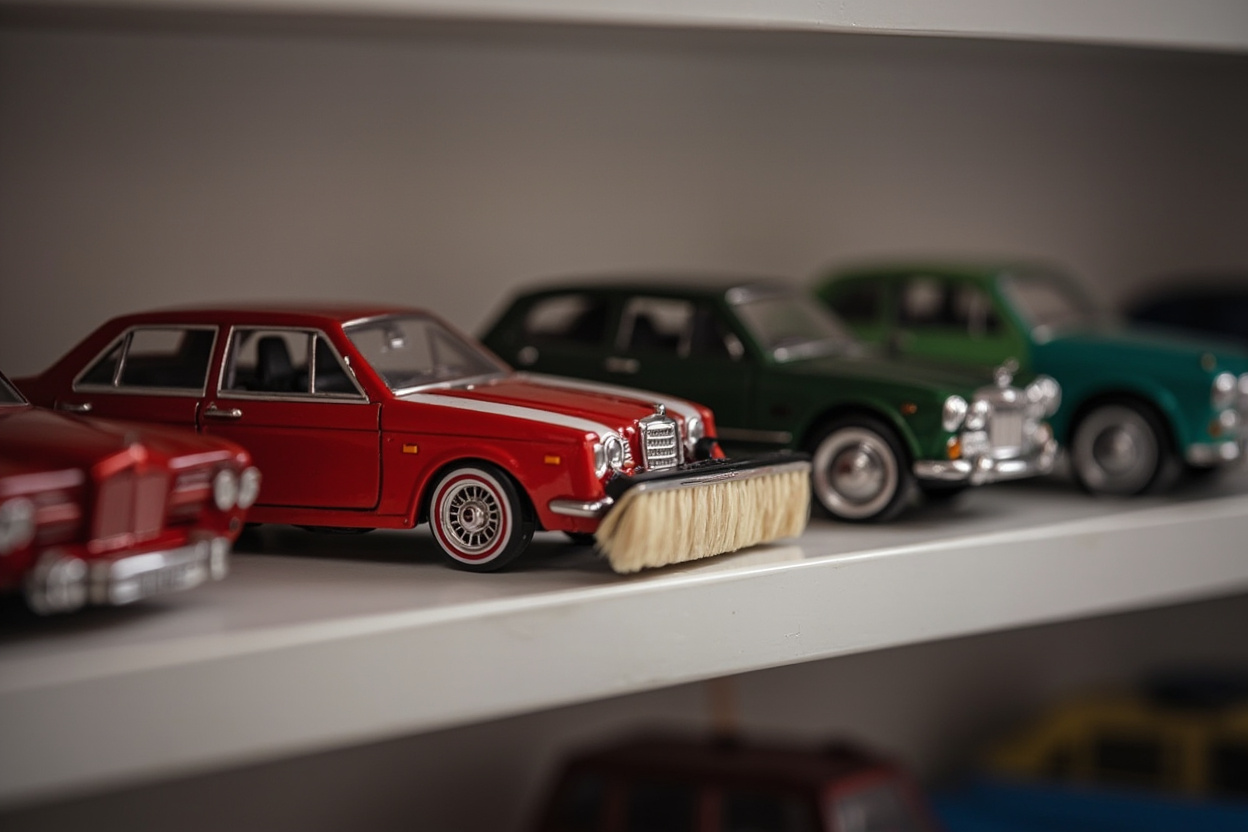
How to Clean and Maintain Your Diecast Model Car Collection: The Complete 2026 Guide
Starting a diecast model car collection is easy—choosing your first models, adding them to your shelf, watching the collection grow over months and years. But keeping that collection looking pristine requires knowledge, patience, and the right techniques. Dust, fingerprints, oxidation, and environmental factors all threaten the visual appeal of your models. This guide covers everything you need to know about cleaning and maintaining diecast model cars in 2026.
Why Diecast Model Car Maintenance Matters
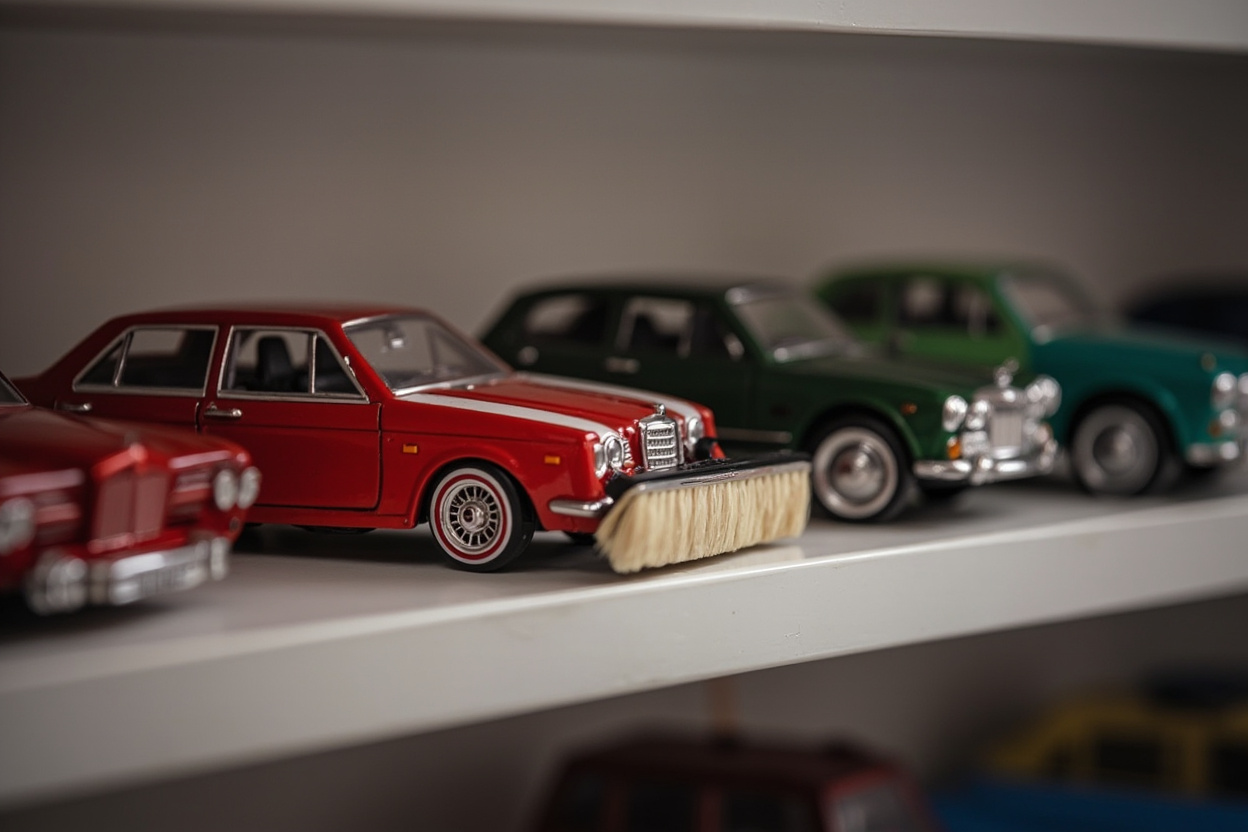
Diecast model cars are more than toys—they’re precision-engineered replicas worth anywhere from $10 to thousands of dollars per piece, depending on the scale, brand, and rarity. A well-maintained collection not only looks impressive on display but retains—or appreciates in—value over time. Neglected models develop dulled paintwork, tarnished chrome, sticky mechanisms, and faded decals that diminish both aesthetic appeal and resale value.
Whether you’re a casual collector with a few Hot Wheels on a shelf or a serious enthusiast with hundreds of 1:18-scale Auto Art and Kyosho models, the principles of proper diecast care remain the same. Investing a few minutes of maintenance every month protects years of collecting passion.
Understanding Your Diecast Model: Materials and Construction
What Diecast Actually Means
The term “diecast” refers to a manufacturing process where molten metal—typically zinc alloy—is injected into a steel mold under high pressure. This process creates precise, detailed models with substantial weight and durability compared to plastic injection molding. Most diecast models contain a zinc alloy base with separate components (body, chassis, wheels) assembled into the final product.
Understanding this construction is critical for maintenance. The metal components can corrode if exposed to moisture, and the paint applied to diecast models—often via tampo printing or pad printing—is bonded differently than automotive paint on full-scale vehicles. Aggressive cleaning methods can damage this paint layer permanently.
Common Diecast Brands and Their Quirks
Different manufacturers use different grades of diecast and varying quality control standards. Premium brands like Auto Art, Kyosho, and Minichamps use high-resolution molds with precisely fitted body panels and operate opening mechanisms (doors, hoods, trunks) that remain functional for years with basic care. Entry-level brands like Hot Wheels and Matchbox still use diecast construction but with less precision and thinner metal alloy.
Knowing your brands helps you calibrate expectations. A $300 Auto Art 1:18-scale Porsche needs more careful attention than a $2 Hot Wheels, but the underlying cleaning principles apply to both.
Essential Cleaning Tools and Supplies
What You’ll Need
Before you start cleaning, gather the right supplies. Most are inexpensive and last for years with proper care:
- Soft-bristled brushes: Natural-hair artist brushes (size 2-6) or dedicated model detailing brushes with soft bristles. These reach into grilles, wheel spokes, and other detailed areas without scratching paint.
- Microfiber cloths: At least two—one for dusting and one for applying polish or wax. Use separate cloths to avoid cross-contamination.
- Mild dish soap: Free of fragrances and harsh chemicals. A single drop in warm water is sufficient for general cleaning.
- Isopropyl alcohol (70%): Effective for removing fingerprints, adhesive residue, and light contamination without damaging most diecast paint finishes.
- Cotton swabs: For detailed cleaning around small components, dashboard areas, and wheel rims.
- Soft polishing cloth: For chrome and silver-plated components that have begun to tarnish.
- Compressed air can: For blowing dust out of hard-to-reach areas like engine bay details, interior crevices, and wheel wells.
- display cases: Not a cleaning tool, but essential for ongoing maintenance—keeping models in enclosed cases dramatically reduces dust accumulation.
What to Avoid
Equally important is knowing what NOT to use on diecast models. Avoid paper towels (too abrasive), regular household cleaning sprays (often contain ammonia or bleach that damages paint), abrasive toothpaste or baking soda pastes (scratch paint), and acetone or nail polish remover (dissolves many diecast paint formulations). Even seemingly harmless baby wipes can contain oils and fragrances that leave residues.
Step-by-Step Diecast Cleaning Process
Step 1: Dry Dusting and Surface Preparation
Before introducing any moisture or cleaning solutions, remove loose dust with a soft brush or compressed air. Hold the model in one hand (or place it on a soft microfiber cloth) and use short, gentle strokes with the brush to dislodge dust from surface details, panel gaps, wheel wells, and the chassis underside.
Pay special attention to areas where dust accumulates without being visible: inside door seams, around window glass, behind wheel arches, and in engine bay detail. Compressed air works exceptionally well for these areas—use short bursts from a distance of 4-6 inches to avoid forcing moisture or debris deeper into mechanisms.
Step 2: Gentle Wet Cleaning
For models with accumulated grime, fingerprints, or environmental residue, prepare a cleaning solution of warm water (not hot) with a single small drop of mild dish soap. Dip a corner of your microfiber cloth into the solution, wring it until nearly dry, and gently wipe the model’s surface using smooth, straight strokes.
Never submerge a diecast model or allow water to pool on its surface. Water in the door hinges, trunk mechanisms, or wheel axles can cause internal corrosion over time. Work section by section, and immediately follow with a dry microfiber cloth to remove any residual moisture.
For stubborn fingerprints (especially on matte or satin-finish areas), dampen a cotton swab with 70% isopropyl alcohol and gently dab the affected area. The alcohol evaporates quickly, leaving no residue, and dissolves the oils from skin contact without damaging most diecast paint finishes.
Step 3: Cleaning Wheels and Tires
Wheels are the most challenging components to clean on diecast models because they combine multiple materials (metal rims, rubber tires, chrome plating) in tight spaces. Use a soft brush dipped in your mild cleaning solution to scrub the tire sidewalls and wheel rims simultaneously.
For chrome rims that have begun to pit or tarnish, a gentle chrome polish applied with a soft cloth can restore some luster—but test on an inconspicuous area first. Never use abrasive compounds on chrome that has already worn through to the base metal, as polishing will only accelerate the damage.
Rubber tires on diecast models can become sticky over time as the tire material degrades. If tires are sticky, gently clean with a lightly dampened cloth and allow to air dry completely. Do not apply tire dressings designed for real vehicles—they can cause rubber to swell and may transfer to paintwork.
Step 4: Chrome and Metal Component Care
Chrome-plated components on diecast models—grilles, bumpers, wheel rims, and trim—are prone to pitting and tarnishing over time, particularly in humid environments. To clean chrome, use a soft polishing cloth with a small amount of gentle metal polish (like Cape Cod metal polish or Simichrome).
Apply a pea-sized amount of polish to the cloth, work it into the chrome surface using circular motions, then buff to a shine with a clean section of the cloth. For light tarnish, this process alone is sufficient. For heavier pitting, you may need multiple applications, but accept that once chrome has pitted deeply, restoration is limited.
Preventive care is more effective than restoration. Keep your display case humidity-controlled (ideally 40-50% relative humidity), and consider silica gel desiccant packs inside enclosed display cases to absorb excess moisture.
Step 5: Glass and Window Cleaning
Diecast model windows are typically injection-molded plastic (acrylic or polycarbonate) rather than actual glass. Clean these with a soft microfiber cloth and either dedicated eyewear lens cleaner or 70% isopropyl alcohol—never use paper products or abrasive materials that scratch plastic.
If windows have developed a hazy film from age or environmental exposure, a tiny amount of plastic polish (available at any auto parts store as “plastic lens polish”) can restore clarity. Apply with a cotton swab, buff gently, and remove residue with a clean microfiber cloth.
Long-Term Diecast Model Car Maintenance
Proper Display and Storage
Where and how you display your models affects their long-term condition more than any cleaning technique. Direct sunlight causes fading of paint and decals—the ultraviolet radiation breaks down pigment molecules over months and years. Display your models away from windows or use UV-filtering glass on display cases.
Dust is the primary ongoing threat to displayed models. Enclosed display cases with dust-seal gaskets provide the best protection. Open shelving looks impressive but requires more frequent dusting—weekly rather than monthly. If you display on open shelving, run an air purifier in the room to reduce airborne dust particles.
Temperature and humidity control matter enormously. Ideal storage conditions are 60-75°F (15-24°C) and 40-50% relative humidity. High humidity accelerates corrosion of diecast metal components and promotes mold growth on any cardboard backing cards. Low humidity isn’t harmful but can cause some rubber components to dry out and crack over very long periods.
Handling Techniques for Collectors
The oils from your skin are mildly corrosive to diecast metal over extended contact and are immediately visible as fingerprints on bare metal or chrome surfaces. Always handle models with clean hands, and hold them by the chassis or undercarriage rather than the body panels or decorative elements.
When moving models for cleaning or reconfiguration, place them on a soft microfiber cloth rather than a hard surface. Never stack diecast models directly on top of each other—the weight of models on upper shelves can damage those below, and metal-to-metal contact causes scratches.
Opening Mechanism Maintenance
Many premium diecast models feature functional opening doors, hoods, and trunks. These mechanisms use small metal hinges and plastic clips that can stiffen or break if stressed. Every few months, gently exercise the opening mechanisms by slowly moving them through their full range of motion—do not force past the mechanical stops.
If a mechanism has become stiff, a tiny amount of plastic-safe lubricant (like Teflon-based lubricant spray used for delicate mechanisms) applied to the hinge points can restore smooth operation. Avoid petroleum-based lubricants that can attract dust or damage plastic components.
Restoring Neglected Diecast Models
Assessing the Condition
Before attempting restoration on a neglected model, honestly assess its condition. Surface dust and minor grime are easily addressed. Dulled paint from UV exposure cannot be fully reversed—polishing can improve appearance somewhat but won’t restore original color saturation. Chrome pitting that has reached the base metal cannot be repaired without re-chroming, which is expensive and changes the model’s character.
Decal damage (curling, cracking, peeling) is difficult to repair at home. Dedicated model decal setting solutions can help adhere lifting decals, but torn or missing decals require professional restoration that’s often cost-prohibitive on moderate-value models.
When Professional Restoration Makes Sense
For rare, limited-edition, or high-value models ($500+), professional restoration by a qualified diecast restoration specialist may be worthwhile. Professional services include chrome re-plating, paint touch-up using airbrushing techniques that match original factory colors, and complete disassembly and ultrasonic cleaning. These services cost $100-400 per model and can dramatically restore appearance—but they also reduce collector value for some buyers who prefer original condition over restored.
Building a Maintenance Routine That Works
The best maintenance routine is one you’ll actually follow consistently. For most collectors, a monthly 30-minute session attending to your entire collection strikes the right balance. Here’s a suggested schedule:
- Weekly: Quick dust with a soft brush and compressed air for models on open display. Check for new fingerprints or smudges.
- Monthly: Full cleaning cycle—wet wipe all surfaces, clean wheels and tires, check display case seals, verify humidity conditions.
- Quarterly: Deep inspection of opening mechanisms, chrome components, and any models stored rather than displayed. Exercise hinges, condition rubber tires, check for corrosion signs.
- Annually: Complete collection inventory, photograph overall condition, identify any models needing attention, clean display case interiors.
Recommended Diecast Care Products
Several products have proven reliable for diecast care across the collector community. Master’s Finishing Polish (fine grade) works well for removing light oxidation from painted surfaces without aggressive abrasion. Cape Cod Metal Polishing Cloths are pre-moistened with just enough polish for chrome cleaning without over-applying. Meguiar’s Plastic X polish is excellent for restoring clarity to scratched plastic windows. Finally, 3M Nomad Anti-Static Mat Cleaner applied to display case interiors reduces dust attraction.
Protecting Your Investment Over Time
A diecast model car collection represents real money and genuine passion. The time you invest in regular maintenance pays dividends in both visual enjoyment and long-term value preservation. The key principles are straightforward: keep models dust-free, display them away from direct sunlight and excessive humidity, handle with clean hands, clean gently with appropriate tools, and maintain consistent environmental conditions.
Whether your collection numbers a dozen models or a few hundred, these same principles scale appropriately. Your models will thank you by looking their best every time you admire them.
🔥 Global Summer Sale – Up to 80% OFF on AliExpress
Limited time deals on phones, electronics, home & more. New users get extra coupons!
Disclosure: We may earn a commission at no extra cost to you if you make a purchase through our links.
For collectors looking to expand their diecast model car collection with premium brands at competitive prices, check out
verified diecast model car dealers and collectors on our affiliate network
for exclusive deals on 1:18 and 1:43 scale diecast models from top manufacturers.
Disclosure: We may earn a commission at no extra cost to you if you make a purchase through our links. This site contains affiliate links.
Ready to Shop Smart?
AliExpress offers factory-direct prices you won’t find anywhere else. New users get exclusive welcome discounts!
Disclosure: This site contains affiliate links. We earn a commission at no extra cost to you.
Leave a Reply