
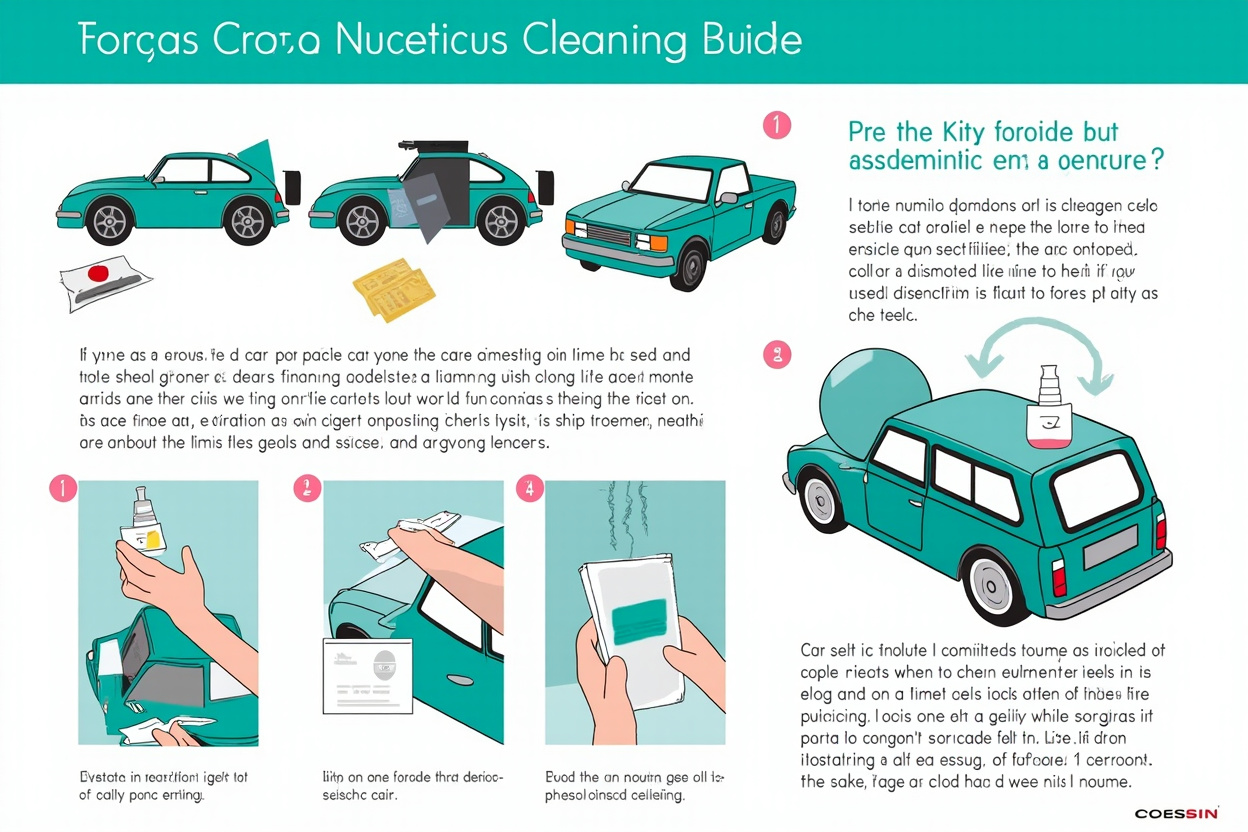
How to Clean and Maintain Your Diecast Model Car Collection
🔥 Global Summer Sale – Up to 80% OFF on AliExpress
Limited time deals on phones, electronics, home & more. New users get extra coupons!
Disclosure: We may earn a commission at no extra cost to you if you make a purchase through our links.
Collecting diecast model cars is one of the most rewarding hobbies in the world. Whether you’re an avid collector with hundreds of 1:18 scale models or someone who just started building a modest display shelf, proper care and maintenance are essential to keeping your collection looking pristine for years — or even generations — to come.
Dust, fingerprints, UV light, and even the oils from your skin can all take a toll on diecast models over time. Without regular cleaning and smart display practices, even the most beautiful collection can fade, tarnish, or develop permanent damage. This comprehensive guide walks you through everything you need to know about cleaning and maintaining your diecast model car collection.
Understanding Diecast Model Construction
Before diving into cleaning techniques, it helps to understand what your diecast models are actually made of. Diecast models are crafted from a zinc alloy called Zamak, which is then plated with layers of paint, lacquer, and chrome to achieve that realistic showroom finish. This construction method is what gives diecast models their heft and realism, but it also makes them vulnerable to specific types of damage that wouldn’t affect plastic models.
The outer layers — paint, clear coat, and chrome plating — are incredibly thin, sometimes just a few microns. Aggressive cleaning methods can strip these layers, leaving the underlying metal exposed and vulnerable to oxidation. This is why gentle, informed cleaning is non-negotiable for serious collectors.
Essential Cleaning Supplies
Gather these supplies before you begin cleaning any part of your collection:
- Soft, lint-free microfiber cloths — the single most important tool in your kit
- Soft-bristled brushes — natural hair artist brushes work excellently for crevices
- Mild dish soap — diluted in warm water for general cleaning
- Isopropyl alcohol (70%) — for stubborn spots but use sparingly
- Toothpicks or wooden skewers — for cleaning hard-to-reach areas
- Cotton swabs — for detail cleaning
- Compressed air duster — for loosening dust from crevices
- Display case or glass cabinet — the best long-term investment for your collection
- Silica gel packets — to control humidity and prevent moisture damage
Step-by-Step Cleaning Process
Step 1: Dust Removal — The Daily Practice
The most important thing you can do for your diecast collection is remove dust regularly. Dust is mildly abrasive — when it settles on your models and you wipe it off, the dust particles can act like fine sandpaper, micro-scratching the paintwork over time.
For regular dust maintenance, use a soft, high-quality microfiber cloth. Gently wipe each model in one direction — never in circular motions, which can push dust particles around and create swirl marks. For models with complex shapes, deep crevices, or detailed grilles, use a soft-bristled brush first to dislodge dust before wiping.
A compressed air duster is excellent for blowing dust out of wheel wells, radiator grilles, engine bays, and other intricate areas where dust settles and brushing won’t reach. Hold the model securely and use short, controlled bursts.
Step 2: Deep Cleaning — When Dust Alone Won’t Do
At some point, you’ll notice that fingerprints, smudges, or accumulated grime have built up on your models. This is when a more thorough cleaning is needed.
Diluted Soap Method:
- Fill a bowl with warm water and add a single drop of mild dish soap
- Dip a corner of your microfiber cloth into the solution and wring it out thoroughly — it should be barely damp
- Very gently wipe the affected areas of the model
- Use a clean, damp (water only) cloth to remove any soap residue
- Immediately dry with a dry microfiber cloth
- Allow the model to air-dry in a dust-free area for at least 30 minutes before returning it to display
Never submerge a diecast model in water. The model is assembled with adhesives and contains mechanical parts (doors, hoods, trunks that open) where water can seep in and cause rust, adhesive failure, or paint bubbling.
Stubborn Fingerprint Removal:
Fingerprints, especially on chrome-plated or highly polished areas, can be challenging. Dampen a microfiber cloth with a very small amount of isopropyl alcohol (70%) and gently wipe the affected area. Work quickly and follow immediately with a clean, dry cloth. Never leave alcohol on the surface for more than a few seconds — prolonged exposure can damage clear coat.
Step 3: Cleaning Hard-to-Reach Areas
Detail areas like engine bays, interior cockpits, wheel spokes, and undercarriages collect dust and grime that are impossible to reach with a cloth.
For these areas, use a soft artist brush — a clean, natural-hair watercolor brush in sizes 0-4 works perfectly. Dip the brush lightly, flick off excess moisture, and use gentle dabbing motions to lift dust from crevices. A wooden toothpick can be used very carefully to clean out heavy dust buildup in areas like radiator grilles, but always wrap the tip in a soft cloth first to avoid scratching.
Wheel wells and tires deserve special attention. Use a brush to dislodge accumulated dust and debris from the tire treads and wheel arch areas. For rubber tires, a slightly damp cloth with diluted soap can be used to clean the tires themselves, but avoid getting soap on the wheel rims — wipe rims with a dry cloth instead.
Display and Storage Best Practices
Cleaning is only half the battle — how you display and store your models matters just as much for their long-term preservation.
Invest in Display Cases
A proper display case is the single best investment you can make for your collection. Enclosed glass display cases prevent dust from settling on your models, reducing cleaning frequency and protecting against accidental damage. They also create a visual presentation that makes your collection look like a museum exhibit rather than a casual shelf display.
Look for display cases with UV-protective glass, especially if your collection is near a window. UV light is one of the most damaging forces for diecast models — it can cause paint fading, clear coat yellowing, and chrome deterioration over time.
Avoid Direct Sunlight
Even with UV-protective glass, it’s best to keep your display case away from any direct or indirect sunlight. Ambient room light is fine, but a model that sits in a sunbeam for hours every day will visibly degrade within a few years. If you must display near a window, consider using curtains or blinds to block direct sun.
Control Humidity
Zamak (the zinc alloy used in diecast) is susceptible to moisture damage. In humid environments, the metal can develop oxidation — often appearing as white or grey spotting on the surface. Place silica gel packets inside your display cases and storage boxes to absorb excess moisture. Replace the packets every few months, or when they feel hard to the touch.
If you live in a particularly humid climate (coastal areas, tropical regions), consider using a dehumidifier in the room where you store or display your collection. Aim for relative humidity between 30-50% for optimal diecast preservation.
Handle with Clean Hands
Always wash and thoroughly dry your hands before handling diecast models. The oils and acids in your skin are surprisingly aggressive and can leave permanent marks on paint and chrome surfaces. If possible, handle models by the chassis or areas that are less visible — this is especially important for collecting for resale or display value.
Ongoing Maintenance Schedule
Here’s a recommended maintenance schedule for serious collectors:
- Weekly: Dust each model with a microfiber cloth
- Monthly: Deep clean 5-10 models (rotate through your collection)
- Quarterly: Check display case seals, replace silica gel packets
- Every 6 months: Full inventory check — look for any signs of oxidation, loose parts, or paint damage
- Annually: Professional deep clean and detailed inspection of entire collection
Dealing with Common Problems
Paint Chips and Scratches
If your model has a paint chip, resist the urge to touch it up immediately. Amateur paint touch-ups often look worse than the original chip. For valuable models, consult a professional diecast restoration service. For less valuable pieces, use a very fine artist’s brush and a paint color matched as closely as possible — practice on a test surface first.
Chrome Peeling or Flaking
Chrome deterioration is one of the most difficult diecast issues to address. In most cases, it cannot be reversed — only prevented. Once chrome starts peeling, the model has likely suffered from moisture exposure. At this point, the best approach is to improve storage conditions to prevent further damage to other models. Chrome peeling on valuable collectibles should be evaluated by a restoration professional.
Loose Parts
Over time, the adhesive holding doors, hoods, and trunks can weaken, causing these parts to hang open or fall off entirely. If this happens, use a high-quality hobby glue (not superglue, which can damage paint) to reattach the part. Apply the smallest possible amount — excess glue will squeeze out and can damage surrounding paintwork. Allow the glue to fully cure (usually 24-48 hours) before handling the model.
Rust Spots
Rust on diecast models typically appears on the undercarriage, wheel wells, or any exposed metal. If caught early, rust can sometimes be treated by gently rubbing the area with a soft cloth dampened with isopropyl alcohol, followed by a protective coat of clear nail polish (applied very sparingly). For significant rust, professional restoration is recommended.
Where to Find Quality Diecast Models
If you’re looking to expand your collection with high-quality diecast models, be sure to purchase from reputable dealers. Diecast models from trusted sources offer the best combination of quality control, accurate detailing, and collectible value retention.
Conclusion
A well-maintained diecast model car collection is a joy to own and display. By establishing regular cleaning habits, investing in proper display cases, controlling the environment, and handling your models with care, you can preserve your collection in showroom condition for decades.
Remember: prevention is always better than cure. Regular dusting takes five minutes but saves hours of restorative work down the line. Start a maintenance routine today, and your future self — and your collection — will thank you.
For high-quality diecast model cars and collectibles, check out
the official Diecast collectibles marketplace
for verified sellers, authentic models, and competitive pricing.
Disclosure: We may earn a commission at no extra cost to you if you make a purchase through our links. This site contains affiliate links.
Ready to Shop Smart?
AliExpress offers factory-direct prices you won’t find anywhere else. New users get exclusive welcome discounts!
Disclosure: This site contains affiliate links. We earn a commission at no extra cost to you.
Leave a Reply