
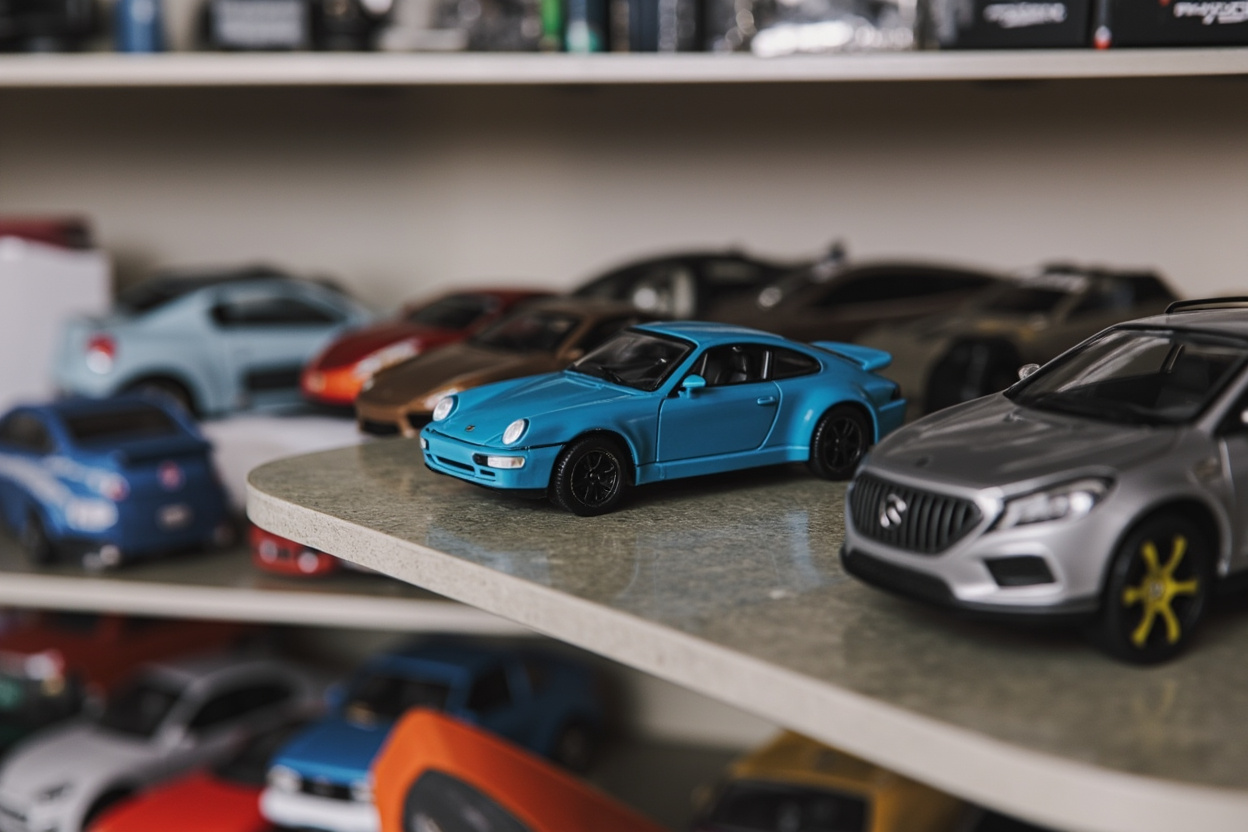
How to Clean and Maintain Your Diecast Model Car Collection
🔥 Global Summer Sale – Up to 80% OFF on AliExpress
Limited time deals on phones, electronics, home & more. New users get extra coupons!
Disclosure: We may earn a commission at no extra cost to you if you make a purchase through our links.
Diecast model cars are more than just miniature replicas — they are collectibles that can hold significant sentimental and monetary value. Whether you’re a seasoned collector with dozens of rare 1:18 scale models or someone who just started building a collection, proper cleaning and maintenance are essential to preserving the appearance and value of your vehicles.
Dust, fingerprints, oxidation, and environmental factors can all take a toll on your diecast models over time. A well-maintained collection not only looks impressive on display but also retains its value for years to come. In this comprehensive guide, we’ll walk you through everything you need to know about cleaning and maintaining your diecast model car collection.
Understanding Diecast Model Construction
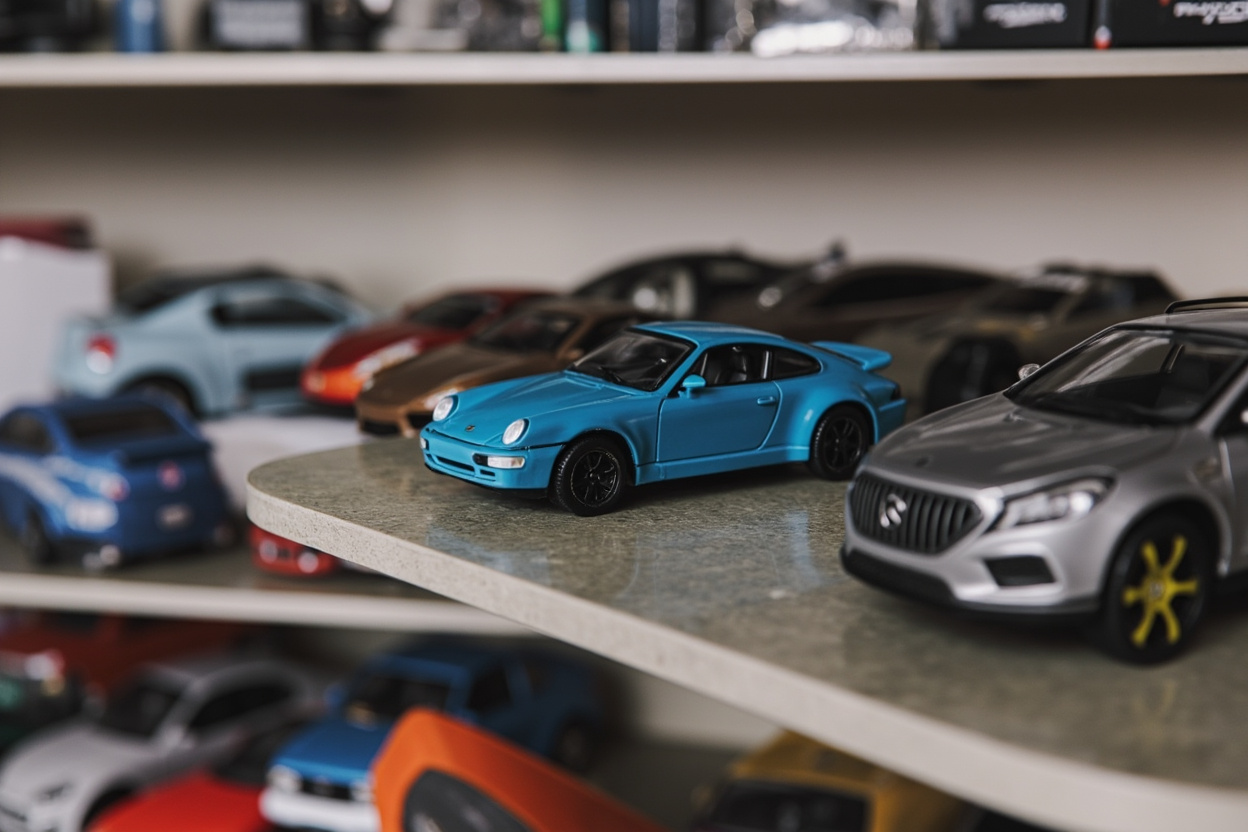
Before diving into cleaning techniques, it’s important to understand what diecast models are made of and how they’re constructed. Most diecast model cars are made from zinc alloy and aluminum, with various other metals used in different proportions. The bodies are typically diecast, meaning they were formed by injecting molten metal into a mold under high pressure.
The result is a solid, weighty model that feels substantial in your hands. However, the paint and finish on diecast models are often applied as a separate layer after the body is formed, which means they can be delicate. Understanding this helps you approach cleaning with the appropriate level of care.
Gathering Your Cleaning Supplies
Having the right supplies on hand before you start cleaning will make the process much smoother and safer for your models. Here’s what you’ll need:
- Soft, lint-free microfiber cloths — these are essential for dusting and buffing without scratching the surface
- Soft-bristled brushes — natural bristle brushes work best for reaching into crevices and vents
- Mild dish soap — a small amount diluted in warm water for deeper cleaning
- Cotton swabs — for precision cleaning in tight spaces like wheel wells and grilles
- Automotive detailing spray — specifically designed for model cars and collectibles
- Rubber gloves — to prevent fingerprints on the models during handling
- Display case glass cleaner — for cleaning the display case without affecting the models
- Soft toothbrush — a new one with ultra-soft bristles for delicate areas
Regular Dusting: The Foundation of Maintenance
The most important step in diecast model car maintenance is regular dusting. Dust is the number one enemy of collectible models. It settles on surfaces, works its way into crevices, and over time can become embedded in the paint finish, making it harder to remove.
The Dry Dusting Method
For light, regular dusting, use a clean, dry microfiber cloth. Gently wipe the surface of each model in a single direction rather than in circular motions, which can push dust into scratches. Pay special attention to the hood, roof, and trunk where dust tends to accumulate.
For models with raised details like door handles, side mirrors, and exhaust pipes, use a soft-bristled brush to dislodge dust before wiping. A soft artist’s brush can also work well for reaching into vents and grilles without damaging the delicate details.
Dusting Frequency
If your models are on open shelves, dust them at least once a week. Models in enclosed display cases can go 2-4 weeks between dusting sessions, but you should still clean the inside of the case regularly to prevent dust from building up on the glass and re-depositing on your models.
Deep Cleaning: When Your Models Need More Than Dusting
Sometimes dusting isn’t enough. Models that have been handled, displayed in open areas, or stored for extended periods may need a more thorough cleaning.
The Warm Water Bath Method
For models with accumulated grime, a gentle warm water bath can work wonders. Fill a clean basin with lukewarm water and add just a drop or two of mild dish soap. Stir gently to create suds without creating too many bubbles.
Submerge each model briefly — no more than 2-3 minutes — and use a soft cloth or very soft toothbrush to gently clean the surfaces. Pay special attention to the wheels, where brake dust and road grime tend to accumulate. The wheel wells and tires are often the dirtiest parts of any model car.
After cleaning, rinse each model with clean water to remove any soap residue, which can leave streaks or attract more dust if left behind. Use a soft microfiber cloth to dry each model immediately, paying special attention to crevices where water can pool.
Dealing with Stubborn Stains
For stubborn stains like grease spots or adhesive residue, you may need to use a specialized cleaner. Isopropyl alcohol (rubbing alcohol) can be effective for removing sticky residues, but always test on an inconspicuous area first. Apply a small amount to a cotton swab and gently rub the stained area.
Never use abrasive cleaners, solvent-based products, or anything containing ammonia on your diecast models. These can strip the paint, damage the finish, or corrode the metal body. When in doubt, err on the side of caution and consult a professional collector or restoration expert.
Cleaning Specific Parts of the Model
The Exterior Body
The body of the model is the most visible part and requires the most care. Use a clean microfiber cloth for regular dusting, and for deeper cleaning, apply a small amount of automotive detailing spray to the cloth rather than directly to the model. This prevents overspray from getting into seams and joints.
Work in sections, cleaning one area at a time. Use a second clean microfiber cloth to buff the surface dry after cleaning. For models with metallic paint finishes, extra care is needed as these can be more delicate than solid colors.
Wheels and Tires
The wheels of a diecast model car are often the most neglected part during cleaning, yet they frequently need the most attention. Use a soft toothbrush to clean between the spokes and in the wheel wells. Tire rubber can be cleaned with a damp cloth, but avoid getting excess water into the axle area.
For chrome or silver-plated wheel accents, use a gentle touch. These finishes can wear down over time, and aggressive cleaning can cause them to lose their luster. A cotton swab works well for getting into the tight spaces between spokes.
Windows and Windshields
Model car windows are typically made of plastic and can scratch easily. Clean them with a soft cloth and a small amount of glass cleaner applied to the cloth rather than directly to the window. Avoid paper towels, which can cause micro-scratches on the plastic.
If the windows have developed a hazy appearance over time, there may be oxidation on the surface. A specialized plastic polish can sometimes restore clarity, but results vary depending on the extent of the damage and the quality of the original plastic.
The Undercarriage
Many collectors neglect the underside of their models, but it collects dust and debris just like the rest of the car. Every few months, turn your models over and clean the undercarriage with a soft brush. This is especially important for models with opening parts like doors and hoods, as debris can accumulate in the mechanism and affect how well these parts move.
Display and Storage: Preventing Damage Before It Happens
The best way to maintain your diecast models is to prevent them from getting dirty in the first place. Proper display and storage setup is critical.
Display Cases
Enclosed display cases are the gold standard for protecting diecast collections. They prevent dust from settling on models, reduce exposure to sunlight which can fade paint over time, and create an impressive presentation for your collection.
When choosing display cases, look for those with UV-protective glass and sturdy shelving that can support the weight of larger 1:18 scale models. Acrylic cases are lighter and less expensive but can develop static charge which attracts dust. Glass cases are heavier but offer better clarity and don’t create static.
Lighting Considerations
If you use lighting in your display cases, opt for LED lights rather than incandescent bulbs. LEDs produce minimal heat, reducing the risk of warping or damage to plastic parts. They also use less energy and last longer, making them more cost-effective in the long run.
Avoid placing display cases in direct sunlight, as UV radiation can cause significant fading and damage to paint finishes over time. North-facing windows or rooms without direct sunlight exposure are ideal for displaying valuable collections.
Storage for Long-Term Preservation
If you need to store models for extended periods, proper preparation is key. Clean each model thoroughly before storing, as contaminants left on the surface can cause damage over time. Place each model in a separate plastic bag or wrap it in acid-free tissue paper to prevent scratching during handling.
Store models in clean, dry conditions with consistent temperature and humidity. Extreme fluctuations in temperature and humidity can cause metal components to expand and contract, potentially loosening delicate parts over time. A temperature range of 60-75°F (15-24°C) and humidity between 30-50% is ideal.
Handling Your Models with Care
How you handle your models has a significant impact on their long-term condition. Always wash your hands before handling diecast models, or better yet, wear soft cotton gloves. The oils from your skin can leave fingerprints on painted surfaces and may contribute to oxidation of bare metal parts over time.
When picking up a model, support it from beneath rather than by grasping the bodywork. This provides better stability and reduces the risk of accidentally dropping the model. For larger 1:18 scale models, use both hands for added security.
Be especially careful with models that have opening parts. Doors, hoods, and trunks on diecast models are often held closed by friction alone, and grabbing them incorrectly can cause them to swing open unexpectedly, potentially leading to damage or a dropped model.
Common Mistakes to Avoid
Even experienced collectors sometimes make mistakes that can compromise their collections. Here are some common errors to avoid:
Using paper towels or rough cloths: These can cause micro-scratches on painted surfaces and chrome finishes. Always use soft, lint-free microfiber cloths.
Using harsh chemicals: Solvents, acetone, ammonia, and abrasive cleaners can permanently damage paint finishes and plastic windows. Stick to mild soap and water or specialized model care products.
Stacking models: Never stack diecast models on top of each other, even temporarily. The weight of one model can dent or scratch another, and stacked models are more likely to fall and be damaged.
Ignoring the display case: Dust and contaminants inside display cases can settle on your models. Clean the inside of display cases regularly, not just the models themselves.
Using compressed air: While compressed air is useful for cleaning electronics, the force can be strong enough to dislodge small parts or blow debris into hard-to-reach areas. Use a soft brush instead.
Professional Restoration: When to Seek Help
For valuable or rare models, professional restoration may be worth considering. Professional restorers have access to specialized tools, paints, and techniques that can restore models to near-original condition without causing further damage.
Before seeking professional restoration, consider whether the model is valuable enough to justify the cost. For mass-produced models, the cost of professional restoration may exceed the value of the model itself. However, for limited edition or rare models, professional restoration can be a worthwhile investment.
Looking for high-quality diecast model cars to start or expand your collection? Check out diecast model cars at Diecast.com — browse by scale, brand, and category to find the perfect additions for your collection.
Disclosure: We may earn a commission at no extra cost to you if you make a purchase through our links. This site contains affiliate links.
Creating a Maintenance Schedule
The most effective maintenance routine is one that you can stick to consistently. Here’s a recommended schedule for diecast model car maintenance:
Daily: Quick visual inspection of your display area. Remove any obvious dust with a soft brush or microfiber cloth.
Weekly: Dust each model with a clean microfiber cloth. Check display case glass and clean if needed.
Monthly: More thorough cleaning of each model, including wheel wells and other crevices. Inspect models for any signs of damage or deterioration.
Quarterly: Deep clean models using the warm water bath method. Clean and rotate display positions if you have a large collection that doesn’t all fit in your display cases at once.
Annually: Full inspection of each model, including checking that opening parts still function properly, that no screws have loosened, and that all labels and markings are intact. Update your inventory if needed.
Conclusion
Proper cleaning and maintenance of your diecast model car collection requires consistent effort and attention to detail, but the rewards are well worth it. A well-maintained collection not only looks impressive but also retains its value over time, making it both a hobby and an investment.
Remember the golden rules: dust regularly, clean gently, handle with care, and store properly. Invest in the right supplies, take your time, and treat each model as the valuable collectible it is. Your future self — and your collection — will thank you for it.
Whether you’re displaying ten models or a hundred, these maintenance practices will help ensure your diecast collection remains in excellent condition for years of enjoyment. Start with one model, work through the cleaning process carefully, and before you know it, maintaining your entire collection will feel like second nature.
Ready to Start Your Diecast Collection?
Find high-quality diecast models for collectors at every budget. Browse diecast model cars, trucks, and more.
Disclosure: This site contains affiliate links. We earn a commission at no extra cost to you.
Leave a Reply