
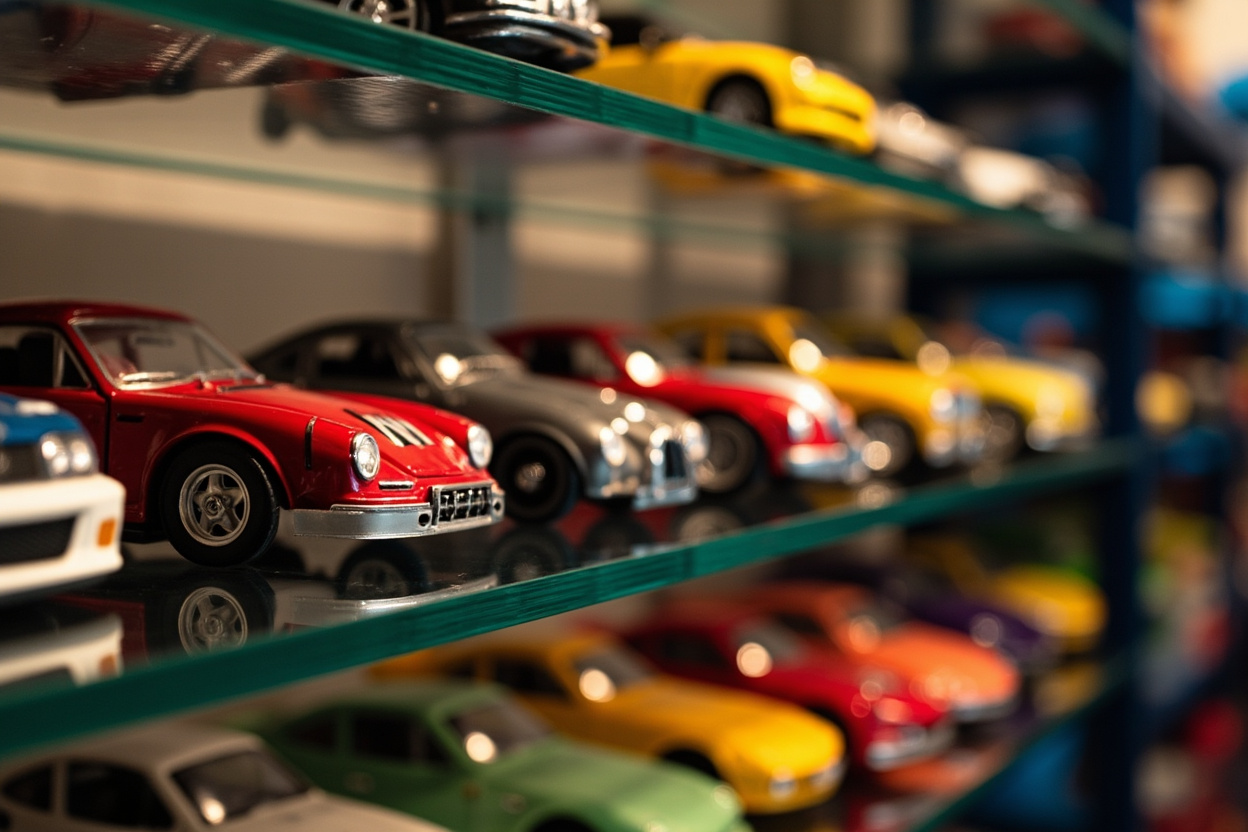
How to Clean and Maintain Your Diecast Model Car Collection: The Complete Collector’s Guide
Building a diecast model car collection is a rewarding hobby that combines the joy of automotive appreciation with the satisfaction of preservation and display. Whether you’ve been collecting 1:18 scale Hot Wheels, Matchbox, Maisto, or premium brands like Auto World, Kyosho, and Sunnyside, proper cleaning and maintenance are essential to keeping your models looking pristine and retaining their value over time.
Many collectors make the mistake of using the wrong cleaning products or techniques, inadvertently damaging paint finishes, scratching clear coats, or corroding metal components. This comprehensive guide walks you through every aspect of diecast model car care—from basic dusting to deep cleaning, polishing, and long-term preservation strategies.
🔥 Global Summer Sale – Up to 80% OFF on AliExpress
Great deals on model car accessories, display cases, and collectibles. New users get extra coupons!
Disclosure: We may earn a commission at no extra cost to you if you make a purchase through our links.
Understanding Your Diecast Model Cars
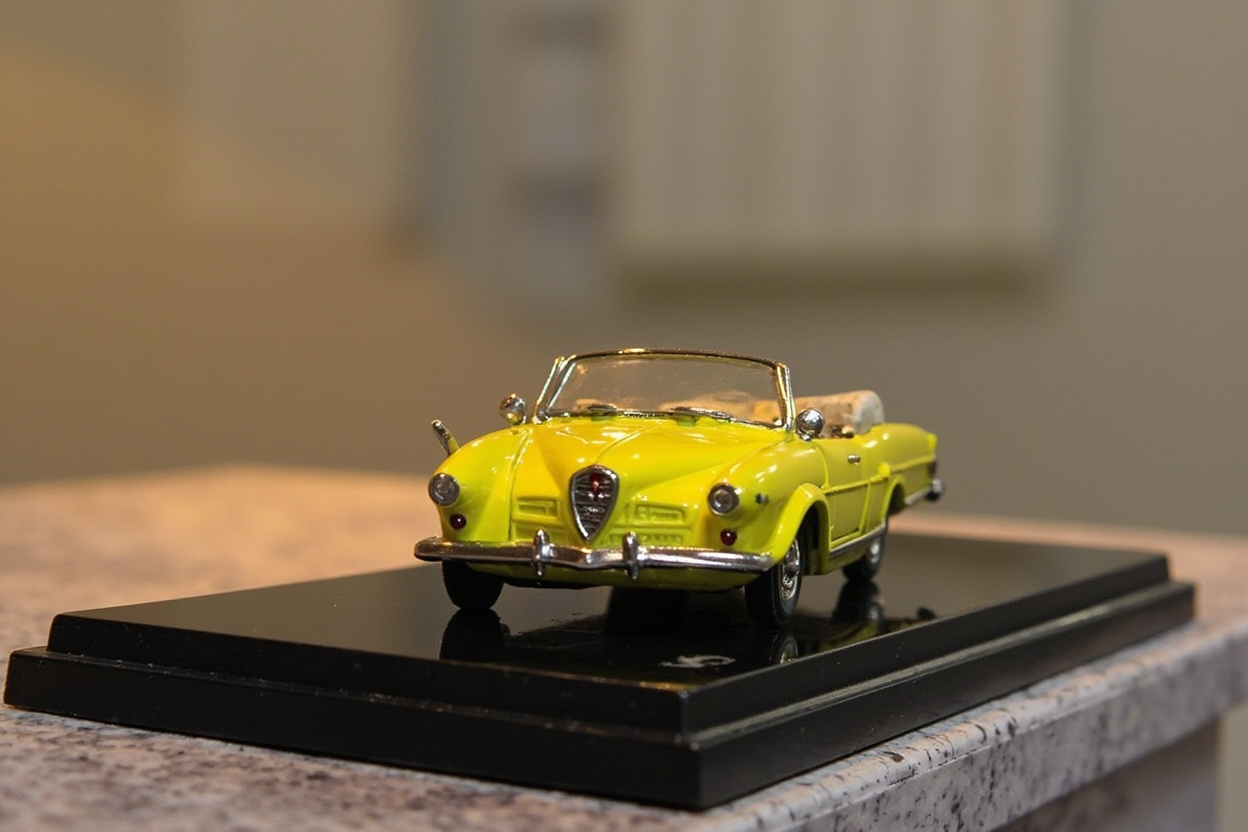
Before diving into cleaning techniques, it’s important to understand what diecast models are made of and how different components respond to various cleaning methods.
What Is Diecast?
Diecast models are made by injecting molten metal (typically zinc alloy and aluminum) into steel molds under high pressure. This process creates detailed, weighty models with excellent structural integrity. The body is usually diecast metal, while components like windows, tires, and interior details may be made from plastic, rubber, or other materials.
Common Scales and Their Characteristics
- 1:12 scale: Large, highly detailed models often with opening doors, hoods, and trunks. More surface area to clean but allows for more detailed work.
- 1:18 scale: The most popular collectible scale. Good balance of detail and size. Doors, hoods, and trunks typically open.
- 1:24 scale: Medium-sized models popular for display. Less complex mechanisms but still detailed.
- 1:43 scale: Standard for many premium brands. Smaller size requires more delicate cleaning.
- 1:64 scale (Hot Wheels, Matchbox): Smaller models designed for play as well as display. More prone to paint chipping.
Essential Cleaning Tools and Supplies
Having the right supplies before you start cleaning prevents frustration and damage. Here’s what every diecast collector should have:
Basic Cleaning Kit
- Soft, lint-free microfiber cloths (multiple, for different tasks)
- Soft-bristled brushes: baby’s hairbrushes, makeup brushes, or specialized model brushes
- Cotton swabs: for detailed areas and tight spaces
- Compressed air canister: for blowing dust from vents, grilles, and wheel wells
- Mild dish soap: for deeper cleaning (without additives or moisturizers)
- Dried compressed air duster: for electronics-safe dusting
- Plastic-safe polish: like Novus Plastic Polish or Simichrome
- Toothpicks: wooden, for carefully cleaning grilles and vents
- Small storage containers: for screws and small parts during disassembly
What NOT to Use
- Paper towels or tissues (scratch surfaces)
- Ammonia-based cleaners (damage paint and plastic)
- Solvent-based cleaners (can dissolve plastic parts)
- Water alone for heavy cleaning (ineffective on oil-based grime)
- abrasive cloths or scrubbers (scratch paint finish)
Step-by-Step Cleaning Process
Step 1: Dry Dusting (Regular Maintenance)
For weekly maintenance, dry dusting is usually sufficient to keep your models looking clean:
- Use a soft microfiber cloth to gently wipe body surfaces in one direction
- Use compressed air to blow dust from grilles, vents, and wheel wells
- Use a soft-bristled brush to dust dashboard areas, seats, and other interior surfaces
- Pay special attention to areas where dust accumulates: wheel arches, undercarriage edges, and behind wheels
Step 2: Wet Cleaning (Monthly Maintenance)
For models that have accumulated more dirt or fingerprints:
- Mix a few drops of mild dish soap with warm water in a small container
- Dip a corner of your microfiber cloth into the solution (do not saturate)
- Wring out the cloth thoroughly—it should be damp, not wet
- Clean one section at a time, wiping with the grain of the paint finish
- Immediately dry the cleaned area with a dry microfiber cloth
- Use cotton swabs for tight areas like door handles and mirror mounts
Step 3: Deep Cleaning for Stubborn Grime
For models with accumulated grime, fingerprints, or light oxidation:
- Apply a small amount of specialized diecast polish (like Simichrome) to a soft cloth
- Apply to the affected area using circular motions
- Allow to dry to a light haze (usually 30-60 seconds)
- Buff with a clean, dry microfiber cloth
- For stubborn areas, repeat the process
For high-quality diecast model cars and accessories, check out the official Diecast model retailer for the latest releases, rare finds, and collector-grade models.
Disclosure: We may earn a commission at no extra cost to you if you make a purchase through our links. This site contains affiliate links.
Cleaning Specific Components
Wheels and Tires
Wheels accumulate significant brake dust and road grime. To clean them:
- Use compressed air to remove loose dirt from the wheel wells
- Use a soft brush dipped in mild soap solution to clean rubber tires
- Clean metal wheel surfaces with a damp microfiber cloth
- Use a toothpick or wooden skewer to remove grime from between spokes
- Dry thoroughly to prevent moisture from affecting metal components
Windows and Glass
Transparent plastic windows can cloud or scratch easily. Clean them carefully:
- Use only a soft, dry microfiber cloth for light dusting
- For fingerprints, lightly dampen a cloth with water and immediately dry
- Never use glass cleaners containing ammonia—they damage plastic
- If windows are cloudy, use a plastic-safe polish specifically designed for acrylic
Chrome and Metal Parts
Chrome trim and bare metal parts require special attention:
- Chrome can be polished with a dedicated chrome polish
- Bare metal parts may benefit from a light coat of petroleum jelly to prevent rust
- Never use abrasive materials on chrome surfaces
- After polishing chrome, remove all residue to prevent future corrosion
Interior Details
Dashboard, seats, and interior details collect dust and are delicate:
- Use soft-bristled brushes to dust interior surfaces
- Compressed air works well for vents and gauge clusters
- Use cotton swabs for areas like steering wheels and seat stitching
- Be extremely gentle with photo-etched parts—they bend easily
Dealing with Common Issues
Paint Chips and Scratches
If your model has a paint chip, you can touch it up with a fine artist’s brush and matching paint. Use as little paint as possible—build up color gradually. For deeper scratches that expose bare metal, apply a primer first, then color, then a clear top coat.
Loose Parts and Wobbly Wheels
Over time, screws loosen and wheels may wobble. To fix:
- Carefully disassemble the affected area, keeping track of screw positions
- Use a small screwdriver to tighten screws (do not over-tighten)
- For stripped screw holes, use a tiny bit of plastic-safe glue on the screw thread
- If the axle is worn, some collectors use a tiny piece of paper as a shim
Sticky or Gummy Surfaces
If your model has surfaces that feel sticky (often from improper storage):
- Use a soft cloth with a tiny amount of isopropyl alcohol (70% or less)
- Test on an inconspicuous area first
- Wipe gently and immediately dry
- Repeat if necessary until sticky residue is removed
Long-Term Preservation Strategies
Display Cases and Shelving
The way you display your collection significantly impacts its long-term condition:
- Glass display cases: protect from dust and UV light while allowing visibility
- Avoid direct sunlight: UV rays fade paint and damage plastic
- Stable shelving: prevent models from falling and being damaged
- Consistent temperature: avoid attics and basements with extreme temperature swings
- Low humidity: excessive moisture causes rust and mold
Storage for Undisplayed Models
For models not on display:
- Clean thoroughly before storing
- Wrap individually in acid-free tissue paper or microfiber cloths
- Store in plastic storage containers with tight lids
- Add silica gel packets to absorb moisture
- Label containers for easy identification
Handling Best Practices
- Always wash and dry your hands before handling models
- Handle models by the chassis or lower body—avoid touching painted surfaces
- Over display cases when showing friends and family
- Use cotton gloves for particularly valuable models
Building a Maintenance Schedule
Consistent maintenance prevents long-term damage. Here’s a recommended schedule:
- Weekly: Dry dust display models, check for new damage
- Monthly: Wet clean models, check display conditions, verify shelving stability
- Quarterly: Deep clean models, check for loose screws, inspect for corrosion
- Annually: Full inventory, deep clean display cases, update insurance records
Where to Find Quality Diecast Models
Whether you’re adding to your collection or starting fresh, buying from reputable sources ensures quality and authenticity. Official diecast retailers carry the latest releases from major manufacturers, rare limited editions, and collector-grade models that will appreciate in value over time.
Look for retailers that specialize in the brands you collect—1:18 scale Auto World and Sunnyside, Hot Wheels premium series, Matchbox, Maisto, Kyosho, and other respected names in the diecast world.
Protect and Display Your Collection in Style
AliExpress offers excellent deals on display cases, model car accessories, and collection storage solutions. New users get exclusive welcome discounts!
Disclosure: This site contains affiliate links. We earn a commission at no extra cost to you.
Leave a Reply