
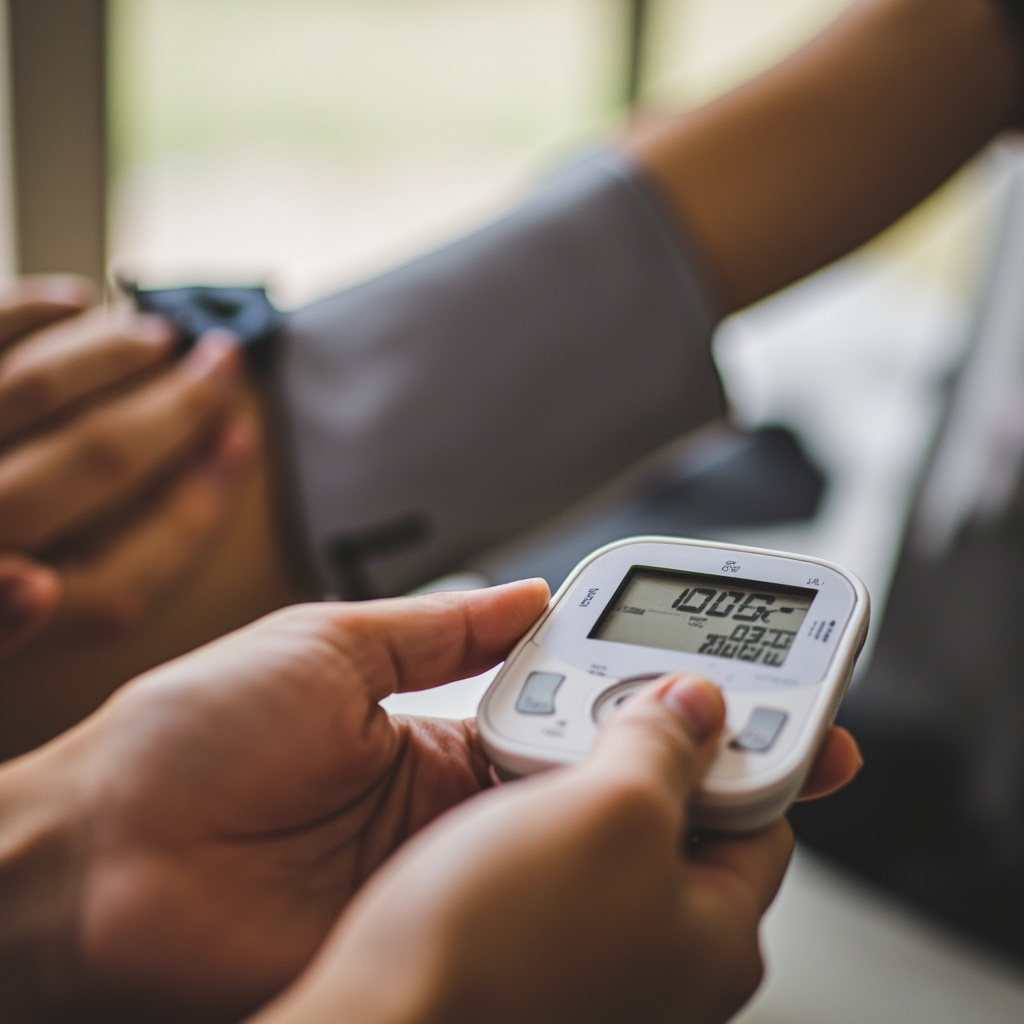
Top 10 Diabetes Screening Tests You Can Do at Home in 2025
Diabetes affects over 500 million people worldwide, and early detection through regular screening is critical for preventing complications and maintaining quality of life. Type 2 diabetes develops gradually, often without symptoms, making routine screening essential for timely intervention. Fortunately, advances in diagnostic technology have made at-home diabetes testing more accessible than ever, enabling individuals to monitor key biomarkers from the comfort of home. Whether you’re at risk for diabetes, already diagnosed and monitoring your condition, or simply proactive about your health, at-home testing options provide valuable insights into blood sugar regulation and metabolic health.
Understanding the difference between various diabetes tests is essential for choosing the right screening approach. Blood glucose tests provide a snapshot of current sugar levels, while HbA1c tests reveal average blood sugar over 2-3 months. Continuous glucose monitoring offers real-time data throughout the day, and glucose tolerance tests assess how your body processes sugar. Each testing method serves a different purpose, and many individuals benefit from combining approaches for comprehensive monitoring. Personalabs at-home health testing offers several diabetes screening options suitable for early detection and ongoing monitoring.
Table of Contents
- DARIO All-In-One Blood Glucose Monitor – Best Overall Home Testing Kit
- FreeStyle Libre Pro CGM – Best Continuous Glucose Monitoring
- LetsGetChecked HbA1c Test – Best for Prediabetes Detection
- A1C Now Self Check – Best Quick A1C Results
- Everlywell Fasting Insulin Test – Best for Early Risk Assessment
- Diasen Glucose Tolerance Test Kit – Best for Post-Meal Assessment
- Keto Mojo Ketone & Glucose Monitor – Best for Low-Carb Dieters
- Nova Max Blood Glucose & Ketone Testing – Best Dual Function
- Accu-Chek Avail Plus – Best Features and Connectivity
- TelaDoc Metabolic Diabetes Management – Best Integrated Care
1. DARIO All-In-One Blood Glucose Monitor – Best Overall Home Testing Kit
Key Features: The DARIO All-In-One Blood Glucose Monitor represents the pinnacle of home blood sugar testing technology, combining a sleek glucose meter, lancet, and test strip cartridge in a single pocket-sized device. This all-in-one design eliminates the inconvenience of carrying separate components and ensures you always have testing supplies together when needed. The device connects seamlessly to smartphones via Bluetooth, automatically logging results to the DARIO app with timestamps and contextual notes. This real-time data capture enables pattern recognition and detailed reporting for healthcare provider consultations.
Real-Time Monitoring and Alerts
What sets DARIO apart from conventional glucose meters is its intelligent alert system. The app can be configured to notify you when readings fall outside your target range, enabling immediate action for both hypoglycemia and hyperglycemia. The color-coded display makes interpretation straightforward—green for normal, yellow for elevated, and red for concerning levels. Historical data visualization through graphs and charts reveals trends over time, showing how diet, exercise, medication, and stress impact your blood sugar levels. This insight enables data-driven decisions about diabetes management rather than guesswork.
Compact Design and Portability
The DARIO’s all-in-one construction makes it exceptionally portable. Traditional glucose monitoring requires a carrying case for the meter, separate lancet device, test strip vial, and control solution. DARIO eliminates this bulk by integrating the cartridge-based system into a device small enough for a pocket. This portability encourages regular testing by removing the friction of accessing and assembling separate components. For individuals who travel frequently or prefer discrete testing, this design advantage significantly improves user adherence to recommended monitoring schedules.
Software Integration and Sharing
The DARIO app integrates with Apple Health and other digital health platforms, creating a comprehensive health monitoring ecosystem. Results automatically sync to the cloud, ensuring your data is safely backed up and accessible from any device. The shareable report feature generates professional-style reports that can be sent directly to healthcare providers before appointments. This seamless information flow between patient monitoring and clinical care improves appointment efficiency and supports more informed treatment decisions. The软件的 detailed analytics also help users understand personal factors affecting their glucose levels, promoting engagement with diabetes management.
2. FreeStyle Libre Pro CGM – Best Continuous Glucose Monitoring
Key Features: The FreeStyle Libre Pro represents a revolutionary approach to glucose monitoring, using a sensor worn on the upper arm to continuously measure glucose levels in interstitial fluid every 15 minutes for up to 14 days. Unlike traditional finger-stick testing that provides only point-in-time snapshots, the Libre Pro captures the complete picture of glucose patterns throughout day and night. The professional version is prescribed by healthcare providers and provides retrospective data analysis ideal for identifying patterns not visible through discrete testing.
Continuous Data Capture Technology
The Libre Pro sensor uses proprietary glucose oxidase technology to measure glucose levels through a tiny filament inserted just under the skin. The sensor stores up to 14 days of data, which is downloaded by healthcare providers using a professional reader at the end of the monitoring period. This retrospective approach eliminates the need for patients to manually log readings, ensuring complete data capture without user compliance burdens. The resulting Ambulatory Glucose Profile (AGP) provides standardized visualization of glycemic patterns, including time in range, glycemic variability, and patterns related to meals and overnight periods.
Pattern Recognition and Clinical Insights
Traditional glucose monitoring relies on patient-initiated readings taken at convenient moments, which often misses problematic patterns occurring during sleep or immediately after meals. The Libre Pro’s continuous monitoring reveals these hidden patterns, showing how blood sugar responds to specific foods, medications, and activities throughout the complete daily cycle. Healthcare providers can identify phenomena like the “dawn effect” (overnight glucose elevation), postprandial spikes, and asymptomatic hypoglycemia that finger-stick testing typically misses. This comprehensive data enables precise therapy adjustments that dramatically improve diabetes control. You can explore Personalabs diabetes screening options for complementary testing approaches.
Improved Outcomes Through Pattern Management
Studies have consistently shown that continuous glucose monitoring improves glycemic control compared to traditional monitoring approaches. The ability to visualize complete glucose patterns motivates patients to make diet and lifestyle modifications that discrete testing doesn’t inspire. Time in target range (typically 70-180 mg/dL) is a clinically meaningful metric that encompasses both high and low glucose exposure. Patients using Libre Pro data often achieve improvements in HbA1c and reduce glycemic variability through understanding and addressing their personal glucose patterns. For individuals with difficulty controlling blood sugar despite standard monitoring, continuous monitoring often reveals actionable insights previously invisible.
3. LetsGetChecked HbA1c Test – Best for Prediabetes Detection
Key Features: LetsGetChecked’s HbA1c test provides laboratory-quality measurement of glycated hemoglobin, reflecting average blood sugar levels over approximately 2-3 months. This at-home test uses a simple finger-stick blood sample, making it accessible for anyone wanting to assess their risk for prediabetes or monitor long-term glucose control in diagnosed diabetics. The HbA1c test is the gold standard for diabetes diagnosis according to American Diabetes Association guidelines and provides more actionable information than single glucose measurements.
Understanding HbA1c Results
The HbA1c test measures the percentage of hemoglobin (the oxygen-carrying protein in red blood cells) that has glucose attached to it. Higher percentages indicate poorer long-term blood sugar control. Results are interpreted as follows: below 5.7% is normal, 5.7-6.4% indicates prediabetes, and 6.5% or higher suggests diabetes. Unlike fasting glucose tests, HbA1c doesn’t require fasting and isn’t affected by daily fluctuations, providing a stable assessment of glycemic exposure over the RBC lifespan (approximately 120 days). This reliability makes HbA1c the preferred marker for diabetes diagnosis and monitoring.
Early Detection of Prediabetes
Identifying prediabetes through HbA1c testing is crucial because intervention at this stage can prevent or delay progression to full diabetes. Lifestyle modifications including improved diet, increased physical activity, and weight loss have been proven to reduce diabetes risk by up to 58% in individuals with prediabetes. LetsGetChecked’s convenient at-home testing enables frequent monitoring without requiring doctor visits, empowering individuals to track their progress when implementing preventive lifestyle changes. The peace of mind from negative results or the motivation from elevated results both drive positive health action. For those newly identified with prediabetes, repeat HbA1c testing every 6-12 months tracks whether interventions are successfully improving glycemic control.
Laboratory Quality and Physician Review
All LetsGetChecked samples are processed in CLIA-certified laboratories, ensuring accuracy comparable to hospital-based testing. Results are reviewed by physicians who provide context and recommendations along with your numbers. If HbA1c results indicate diabetes or prediabetes, the clinical team can advise on next steps, which may include lifestyle intervention programs, medication initiation, or referral to endocrinologists. This professional oversight ensures that abnormal results lead to appropriate action rather than being ignored or misinterpreted. The combination of laboratory accuracy, clinical review, and actionable guidance makes LetsGetChecked’s HbA1c test a comprehensive solution for diabetes screening and monitoring.
4. A1C Now Self Check – Best Quick A1C Results
Key Features: The A1C Now Self Check provides on-demand HbA1c testing in just 5 minutes from the comfort of home, delivering immediate results without waiting for laboratory processing. This FDA-cleared device uses a small blood sample from a finger stick, making it accessible for anyone to use privately. The single-use cartridge design eliminates the need for calibration or maintenance, and the portable analyzer fits easily in a pocket or purse for testing anywhere. For individuals needing frequent HbA1c monitoring, this convenience factor significantly reduces barriers to regular testing.
Rapid Results Without Laboratory Delays
Traditional HbA1c testing requires sending samples to laboratories, with results typically arriving days after the test. The A1C Now Self Check eliminates this wait, providing results in approximately 5 minutes from blood application to displaying results. This immediacy has practical benefits—you can make dietary decisions based on current HbA1c readings before meals, discuss results with your doctor during the same appointment rather than waiting for callback, and monitor progress during lifestyle interventions without laboratory scheduling. The instant feedback loop encourages continued engagement with health management.
Ease of Use and Portability
The A1C Now Self Check was designed for consumer use without training, with clear instructions guiding users through each step. The all-in-one kit includes the test cartridge, blood collection device, developer solution, and instructions. Users simply collect a blood sample, transfer it to the cartridge using the provided applicator, add the developer solution, and wait five minutes for results to appear on the digital display. The analyzer stores results for later download to track changes over time. This combination of simplicity and portability makes the device practical for frequent travelers, busy professionals, or anyone who prefers immediate access to their health data.
Accuracy Considerations
While the A1C Now Self Check provides results in minutes, some trade-off in precision exists compared to laboratory-based HbA1c testing. The device meets FDA clearance standards for consumer use, but laboratories using sophisticated equipment typically achieve tighter precision. For monitoring known diabetes, the A1C Now provides sufficient accuracy to track meaningful changes in HbA1c over time. However, for initial diabetes diagnosis, some healthcare providers may prefer laboratory confirmation. Using the A1C Now for frequent monitoring between laboratory tests is an excellent approach—any concerning results can be verified through clinical laboratory testing at your next doctor’s visit.
5. Everlywell Fasting Insulin Test – Best for Early Risk Assessment
Key Features: The Everlywell Fasting Insulin Test measures insulin levels in a fasting state, providing critical information about insulin resistance and diabetes risk before blood sugar levels become abnormal. This test represents early detection at its finest—elevated fasting insulin often precedes hyperglycemia in Type 2 diabetes development, as the body initially produces more insulin to compensate for growing insulin resistance. By detecting this compensatory hyperinsulinemia, early intervention can prevent or delay progression to actual diabetes.
The Physiology of Insulin Resistance
Understanding why fasting insulin testing matters requires appreciating the physiology of Type 2 diabetes development. Insulin resistance develops gradually over years, initially forcing the pancreas to produce more insulin to keep blood glucose normal. During this compensation phase, fasting glucose remains normal while insulin levels rise. Eventually, the pancreas cannot maintain sufficient insulin production, glucose levels begin to rise, and diabetes develops. Testing fasting insulin reveals this compensation phase, enabling intervention before irreversible pancreatic damage and before glucose levels become abnormal.
Interpretation and Actionable Insights
Everlywell provides reference ranges for fasting insulin along with explanations of what results indicate. Elevated fasting insulin suggests insulin resistance, prompting lifestyle interventions targeting the underlying metabolic dysfunction. These interventions include reducing refined carbohydrate consumption, increasing physical activity, losing excess body fat, and in some cases, medication like metformin. Importantly, at this early stage, lifestyle changes can often reverse insulin resistance and prevent diabetes entirely—something becomes much harder once diabetes is established. The fasting insulin test transforms diabetes from inevitable prognosis to preventable outcome for many individuals.
Combined Testing Value
Fasting insulin testing provides maximum value when combined with other metabolic markers. Everlywell offers combination panels that include fasting glucose, HbA1c, and lipids alongside insulin, providing comprehensive metabolic assessment. This systems approach reveals connections between different aspects of metabolic health—for example, the relationship between insulin resistance, triglycerides, and cardiovascular risk. Understanding these connections motivates comprehensive lifestyle changes rather than focusing on single metrics. For individuals with family histories of diabetes, metabolic syndrome features, or obesity, fasting insulin testing provides especially valuable early risk stratification that fasting glucose alone cannot offer.
6. Diasen Glucose Tolerance Test Kit – Best for Post-Meal Assessment
Key Features: The Diasen Glucose Tolerance Test Kit enables at-home assessment of how your body processes glucose after eating, using a simplified approach to the traditional oral glucose tolerance test (OGTT). This test measures blood glucose at fasting and at specified intervals after consuming a standardized glucose solution, revealing how quickly and effectively your body clears glucose from the bloodstream. Abnormal glucose tolerance indicates prediabetes or diabetes and provides more sensitive detection than fasting glucose alone.
Why Glucose Tolerance Testing Matters
Many individuals with normal fasting glucose have impaired glucose tolerance when challenged with a glucose load, a condition called prediabetes. The oral glucose tolerance test identifies these individuals who would be missed by fasting glucose testing alone. This is particularly important because postprandial (after-meal) glucose spikes may be more detrimental to cardiovascular health than sustained fasting hyperglycemia. The 2-hour glucose tolerance test remains the gold standard for diagnosing gestational diabetes and provides superior detection of early metabolic dysfunction compared to fasting tests.
Simplified Home Testing Protocol
Traditional clinical OGTT requires multiple blood draws over 2-3 hours after glucose consumption, typically performed in medical settings. Diasen simplifies this for home use while maintaining clinical relevance. The kit includes clear instructions for the fasting requirement (10-12 hours), the glucose solution consumption, and timing of subsequent measurements. Users with compatible glucose meters can test at prescribed intervals, logging results to track their body’s response pattern. This approach sacrifices some clinical precision for accessibility but still provides valuable information about glucose metabolism that fasting tests cannot offer.
Results Interpretation and Next Steps
Diasen results are interpreted against standard clinical cutoff values. A 2-hour glucose level below 140 mg/dL is normal, 140-199 mg/dL indicates impaired glucose tolerance (prediabetes), and 200 mg/dL or higher suggests diabetes. Results in the prediabetes range warrant lifestyle intervention and more frequent monitoring, while results indicating diabetes should prompt healthcare provider consultation for definitive diagnosis and treatment planning. The pattern of the entire glucose curve—the fasting level, peak, and decline rate—provides additional insight into metabolic function beyond single time point measurements.
7. Keto Mojo Ketone & Glucose Monitor – Best for Low-Carb Dieters
Key Features: The Keto Mojo Blood Ketone and Glucose Testing System provides dual monitoring of both glucose and ketone levels, making it essential for individuals following ketogenic or low-carb diets. Ketone monitoring is crucial for keto dieters to ensure nutritional ketosis (the metabolic state of fat burning that defines the ketogenic diet), while simultaneous glucose tracking provides complete metabolic visibility. This combination reveals how diet and lifestyle choices affect both glucose and ketone production, enabling optimization of dietary approaches.
Ketone Monitoring for Ketogenic Diets
The ketogenic diet has gained massive popularity for weight loss and metabolic health improvement, but achieving true nutritional ketosis requires evidence-based monitoring. Ketone levels indicate whether your body is actually burning fat for fuel as intended. The Keto Mojo measures beta-hydroxybutyrate (BHB), the primary circulating ketone in nutritional ketosis, providing readings from 0.0-8.0 mmol/L. Target ranges for nutritional ketosis typically fall between 0.5-3.0 mmol/L, with levels above 3.0 suggesting “targeted ketogenic” or therapeutic ranges depending on goals. Without monitoring, individuals following keto diets are essentially guessing about their metabolic state.
Glucose-Ketone Correlation Insights
What makes the Keto Mojo particularly valuable is simultaneous glucose tracking alongside ketones. This dual measurement reveals the glucose-ketone axis—how these two metabolic fuels interact in your body. Many keto dieters find that their glucose levels remain stable or even improve while achieving ketosis, demonstrating the diet’s metabolic benefits. Others discover previously unrecognized glucose dysregulation that affects their ketone production. The combined data supports informed decisions about carbohydrate intake, exercise timing, and dietary modifications to optimize both metabolic states. Some users discover they can maintain ketosis with higher carbohydrate intake than they thought possible, while others learn they need stricter carb control.
Quality and Affordability
Keto Mojo delivers laboratory-quality accuracy at a fraction of the cost of comparable systems. The meter’s accuracy meets ISO 15197:2013 standards, ensuring reliable data for health decisions. Affordable test strips (significantly cheaper than competing ketone meters) encourage regular testing without cost becoming a barrier to monitoring. The Keto Mojo app automatically logs results with timestamps, creating historical data for pattern recognition without manual logging burden. This combination of accuracy, affordability, and user-friendly software makes comprehensive metabolic monitoring accessible to everyone following low-carb or ketogenic approaches.
8. Nova Max Blood Glucose & Ketone Testing – Best Dual Function
Key Features: The Nova Max Plus combines blood glucose and ketone testing in a single compact device, providing comprehensive metabolic monitoring for diabetics, keto dieters, and anyone interested in metabolic health. This FDA-cleared device uses the same test strips for both glucose and ketone measurements, eliminating the need for separate meters and reducing monitoring costs. The large display and simple operation make it accessible for users of all ages and technical abilities, while advanced features satisfy the needs of dedicated metabolic health enthusiasts.
Diabetic Ketone Monitoring
For individuals with diabetes, ketone monitoring is medically essential because diabetic ketoacidosis (DKA) is a life-threatening emergency. DKA occurs when lack of insulin forces the body into dangerous ketosis, producing toxic ketone levels that acidify the blood. Regular ketone testing enables early detection of this dangerous condition before it progresses to emergency status. The Nova Max’s ketone testing capability provides peace of mind for insulin-dependent diabetics, enabling them to safely manage their condition while enjoying the flexibility of flexible eating approaches. Anyone experiencing illness, unusual insulin dosing, or dietary changes should test ketones to ensure safe ketone levels.
Accuracy and Strip Technology
Nova Max utilizes advanced electrochemical sensor technology for accurate readings in diverse conditions. The strips contain a proprietary enzyme formulation that maintains accuracy even at extreme temperatures or with varying hematocrit levels. This reliability matters because decisions about insulin dosing, dietary choices, and emergency intervention depend on accurate readings. The glucose measurement range spans 20-600 mg/dL, covering both hypoglycemia and severe hyperglycemia without requiring dilution. Ketone measurements range from 0.1-8.0 mmol/L, capturing both nutritional ketosis and concerning ketoacidosis levels. This comprehensive range ensures the Nova Max handles extreme metabolic situations appropriately.
Patient-Friendly Design
Despite its advanced capabilities, the Nova Max Plus features one-button operation and intuitive navigation. The large LCD display shows results in extra-large font, making readings clear for users with visual impairment. The device stores 450 glucose results and 400 ketone results with time and date stamps, providing substantial historical data without automatic deletion concerns. Downloading to computer enables comprehensive analysis and sharing with healthcare providers. For families managing diabetes across multiple generations with varying technical comfort, the Nova Max’s simplicity without sacrificing capability makes it an excellent choice. Consider Personalabs diabetes screening supplies for additional monitoring options.
9. Accu-Chek Avail Plus – Best Features and Connectivity
Key Features: The Accu-Chek Avail Plus glucose meter represents diabetes monitoring technology at its finest, combining exceptional accuracy with comprehensive connectivity features and user-friendly design. Accu-Chek has decades of experience in diabetes care, and the Avail Plus reflects this expertise through thoughtful features that simplify daily monitoring while maximizing data utility. Wireless Bluetooth connectivity, smartphone app integration, and cloud-based data management create a complete digital health ecosystem for diabetes management.
Advanced Connectivity Features
The Accu-Chek Avail Plus automatically transfers results to the Accu-Chek Connect mobile app via Bluetooth, eliminating manual data logging. The app provides automatic pattern detection, flagging concerning patterns like recurrent lows or post-meal spikes for attention. Results sync to the cloud-based Accu-Chek diabetes management platform, accessible from any web browser for comprehensive historical analysis. The shareable report feature generates professional reports formatted for healthcare provider review, ensuring productive appointments focused on meaningful data rather than manual log review. This connectivity-first approach reflects how modern diabetes management benefits from integrated digital tools.
Accuracy and Reliability
Accu-Chek meters consistently rank among the most accurate glucose monitoring systems available. The Avail Plus meets or exceeds all FDA accuracy standards, with tight correlation to laboratory glucose measurements across the entire testing range. This accuracy matters fundamentally—when making insulin dose decisions, inaccurate readings can lead to dangerous dosing errors. Accu-Chek’s proprietary test strip technology includes built-in hematocrit correction and temperature compensation, ensuring accuracy in diverse physiological and environmental conditions. The no-coding strip design eliminates a potential error source and simplifies the testing process.
User Experience and Support
The Accu-Chek Avail Plus was designed with attention to the practical realities of daily diabetes management. The side-glide test strip ejector enables clean strip disposal without touching used strips. The illuminated test strip port enables testing in low-light conditions. The comfortable finger grip and appropriate lancing depth settings minimize discomfort from regular testing. Accu-Chek’s customer support team includes diabetes educators who can provide guidance on meter use, interpretation, and general diabetes management questions. This comprehensive support structure complements the device’s technical excellence, creating an ecosystem that supports successful diabetes management rather than just providing tools.
10. TelaDoc Metabolic Diabetes Management – Best Integrated Care
Key Features: TelaDoc’s Metabolic Diabetes Management program combines at-home glucose monitoring with integrated telehealth services for comprehensive diabetes care without requiring in-person clinic visits. This platform provides glucose testing supplies, continuous monitoring options, and unlimited access to physicians specializing in diabetes management. The integrated approach addresses the full spectrum of diabetes care—from initial assessment and diagnosis through ongoing management and complication prevention.
Integrated Care Model
Traditional diabetes care requires coordination between multiple providers across different appointments, with information often siloed and communication gaps between visits. TelaDoc’s integrated model brings together glucose monitoring, medical supervision, medication management, and health coaching into a unified platform. Physicians review your glucose data between appointments and can adjust medications without requiring visits. Certified diabetes educators provide guidance on nutrition, exercise, and monitoring strategies. This comprehensive approach ensures consistent oversight rather than episodic care punctuated by occasional appointments.
Continuous Monitoring Integration
TelaDoc’s platform integrates with continuous glucose monitoring systems, enabling their medical team to access your complete glucose patterns. This data integration allows physicians to identify problems during daily life rather than relying on limited patient-reported readings or appointment-day snapshots. When combined with regular telehealth consultations, continuous monitoring data creates a powerful feedback loop that supports continuous therapy optimization. The medical team’s ability to see actual patterns rather than summaries transforms the patient-provider relationship into genuine collaborative management.
Prevention and Early Intervention
For individuals at risk for diabetes but not yet diagnosed, TelaDoc offers screening and prevention program participation. Regular HbA1c and glucose testing identifies early metabolic dysfunction that often precedes diabetes diagnosis. The medical team can initiate preventive interventions including lifestyle coaching, medication when appropriate, and regular monitoring that catches progression early. This proactive approach stands in contrast to waiting for diabetes diagnosis before engaging healthcare, potentially preventing or significantly delaying diabetes onset through early intervention. For individuals with prediabetes, family diabetes history, obesity, or other risk factors, TelaDoc’s prevention-focused model provides structured support for reducing diabetes risk.
Comparison Table: Top 10 Diabetes Screening Tests
| Rank | Test/Device | Best For | Test Type | Results Time | Connectivity |
|---|---|---|---|---|---|
| 1 | DARIO All-In-One Monitor | Best Overall | Glucose | 5 seconds | Bluetooth/App |
| 2 | FreeStyle Libre Pro CGM | Continuous Monitoring | Interstitial Glucose | Continuous | Professional Reader |
| 3 | LetsGetChecked HbA1c | Prediabetes Detection | Glycated Hemoglobin | 2-5 days | Online Portal |
| 4 | A1C Now Self Check | Quick Results | Glycated Hemoglobin | 5 minutes | Manual Download |
| 5 | Everlywell Fasting Insulin | Early Risk Assessment | Insulin | 5-7 days | Online Portal |
| 6 | Diasen Glucose Tolerance | Post-Meal Assessment | Glucose | 2 hours | Manual Logging |
| 7 | Keto Mojo | Low-Carb Dieters | Glucose & Ketones | 5 seconds | Bluetooth/App |
| 8 | Nova Max Plus | Dual Function | Glucose & Ketones | 5 seconds | Manual Download |
| 9 | Accu-Chek Avail Plus | Connectivity Features | Glucose | 5 seconds | Bluetooth/Cloud |
| 10 | TelaDoc Metabolic Program | Integrated Care | Glucose & Comprehensive | Continuous | Full Platform |
Frequently Asked Questions (FAQ)
Q1: What’s the difference between blood glucose testing and HbA1c testing?
A: Blood glucose testing measures your current blood sugar level at a specific moment in time, providing a snapshot that varies throughout the day based on meals, activity, and medication. HbA1c testing measures the percentage of hemoglobin that has glucose attached to it, reflecting average blood sugar over approximately 2-3 months (the lifespan of red blood cells). While glucose testing tells you what your blood sugar is right now, HbA1c tells you what your average blood sugar has been over the past few months. Both are essential for different purposes—glucose testing helps you make real-time decisions about food and medication, while HbA1c is the gold standard for assessing long-term diabetes control and diagnosis.
Q2: How often should I test my blood sugar at home?
A: Testing frequency depends on your diabetes status and treatment plan. For individuals with Type 2 diabetes not requiring insulin, testing 2-4 times daily (fasting and after meals) is often sufficient for monitoring. Those using insulin typically need 4-6 daily tests, including before meals and bedtime. People with gestational diabetes often test 6-8 times daily. If you have prediabetes or are at risk but not yet diabetic, weekly or monthly testing provides sufficient monitoring. Your healthcare provider should personalize testing recommendations based on your specific situation, including medication regimen, diabetes control goals, and risk factors for hypoglycemia or complications.
Q3: What do the target blood glucose ranges mean?
A: Target ranges vary based on individual circumstances, but general guidelines for diabetics before meals typically fall between 80-130 mg/dL, while post-meal readings (taken 1-2 hours after eating) should stay below 180 mg/dL. For people without diabetes, normal fasting glucose is typically 70-100 mg/dL, and 2-hour post-meal readings below 140 mg/dL. HbA1c targets are generally below 7% for diabetics (with more or less stringent goals depending on individual factors), while normal HbA1c is below 5.7%. Your healthcare provider establishes personalized targets based on your age, diabetes duration, other health conditions, and risk of hypoglycemia. These targets are goals to work toward, not necessarily achieved every single reading.
Q4: Can at-home diabetes tests replace doctor visits?
A: At-home testing provides valuable monitoring data but cannot replace comprehensive clinical diabetes care. Regular healthcare provider visits remain essential for HbA1c verification, complication screening (including eye exams, foot exams, and kidney function tests), medication management, and addressing concerns that arise from home monitoring data. At-home tests empower you with daily management information and enable more productive healthcare appointments by providing detailed data for discussion. However, the relationship between you and your healthcare team cannot be replaced by at-home testing alone. Think of at-home monitoring as complementary to, not a substitute for, professional medical care.
Q5: What should I do if my at-home test shows elevated blood sugar?
A: If at-home testing shows elevated blood glucose or HbA1c in the diabetes range, you should consult with your healthcare provider for confirmation and treatment planning. A single elevated reading doesn’t constitute a diabetes diagnosis—your provider will want to confirm with repeat testing and may order additional laboratory evaluation. If you experience symptoms like excessive thirst, frequent urination, fatigue, or blurred vision alongside elevated readings, seek medical attention promptly. For readings in the prediabetes range, lifestyle modifications can often prevent progression to diabetes, making early intervention particularly valuable. Document your readings to share with your healthcare provider, enabling informed decisions about next steps in your care.
Conclusion
Diabetes screening and monitoring have evolved dramatically, with at-home testing options now providing clinical-quality data for effective diabetes management. Whether you’re at risk for diabetes, already diagnosed and monitoring your condition, or following a low-carb diet and want metabolic visibility, there’s an appropriate testing solution available. Regular screening enables early detection when intervention is most effective, while consistent monitoring supports informed daily decisions about diet, exercise, and medication. The investment in quality testing equipment pays dividends in complication prevention, improved quality of life, and the confidence that comes from understanding your metabolic health. We encourage you to take advantage of these accessible testing options and partner with healthcare providers to maintain optimal diabetes control. Ready to screen your diabetes risk from home? Visit Personalabs diabetes screening solutions for comprehensive at-home testing options to protect your health.
CTA Block
Ready to Screen Your Diabetes Risk?
Explore these recommended diabetes testing options:
- Personalabs At-Home Diabetes Screening – Comprehensive HbA1c and glucose testing
- Treat My UTI – Urinary tract infection testing and treatment
Disclosure: This article contains affiliate links. If you purchase through these links, we may earn a commission at no additional cost to you. We only recommend products and services we believe provide value to our readers.


Leave a Reply