

In our increasingly hectic world, finding moments of peace and clarity has become essential for maintaining mental health and overall well-being. Meditation and mindfulness practices have surged in popularity as scientific research continues to validate their profound benefits for reducing stress, improving focus, and enhancing emotional resilience. Fortunately, the digital age has made meditation more accessible than ever through dedicated mobile applications that bring guided practices directly to your fingertips. Whether you’re a complete beginner taking your first steps into meditation or an experienced practitioner seeking to deepen your practice, free meditation apps offer an excellent entry point without financial commitment. This comprehensive guide presents the top 10 best free meditation and mindfulness apps available in 2026, evaluating each based on features, user experience, variety of content, and effectiveness in helping users achieve their wellness goals.
Why Free Meditation Apps Matter for Your Mental Health in 2026
The landscape of mental health care has undergone a dramatic transformation in recent years, with meditation apps emerging as powerful tools for accessible wellness support. Free meditation apps democratize mindfulness practice by removing financial barriers that might prevent individuals from exploring these beneficial techniques. According to recent studies, regular meditation practice can reduce cortisol levels by up to 25%, significantly lowering stress and anxiety while improving sleep quality and emotional regulation. Mobile apps offer unprecedented convenience, allowing users to practice anywhere from their morning commute to a quiet moment before bed. The best free meditation apps now incorporate advanced features such as personalized recommendations based on your goals, progress tracking, reminder systems, and diverse meditation styles ranging from calming breathwork to body scans and movement Meditation. With millions of downloads and countless positive reviews, these apps have proven their value in helping people develop sustainable meditation habits that improve their quality of life.

Key Features to Look for in a Free Meditation App
Not all meditation apps are created equal, and understanding what features truly matter can help you choose the right tool for your journey. When evaluating meditation apps, consider the variety of guided meditations offered, as this ensures you can find practices that resonate with your preferences and energy levels. Look for apps that provide content for different experience levels, from complete beginners to advanced practitioners, as your practice evolves over time. Session length options are crucial for fitting meditation into busy lifestyles, with the best apps offering sessions ranging from quick 3-minute breaks to deep 30-minute practices. The quality of guidance matters enormously, so seek apps featuring experienced instructors with soothing voices and clear instructions. Additional features worth considering include progress tracking to monitor your consistency, customizable reminders to build habit formation, offline access for practicing without internet connection, and background sounds or music to support your practice. Some apps also incorporate gamification elements like streaks and achievements to keep you motivated, while others focus on a minimalist, distraction-free experience.
Top 10 Best Free Meditation and Mindfulness Apps 2026
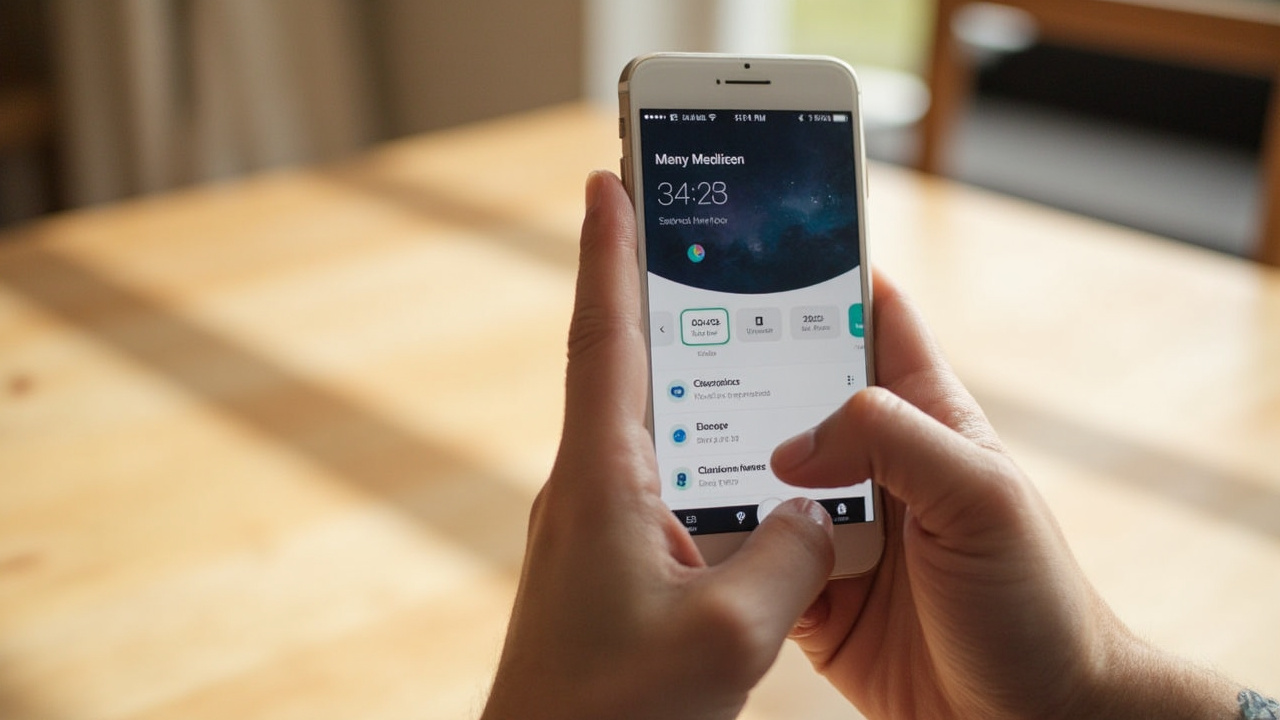
After extensive research and analysis of user reviews, feature sets, and overall effectiveness, we present our curated list of the top 10 free meditation and mindfulness apps for 2026. 1. Insight Timer remains our top choice with over 100,000 free guided meditations, a global community of practitioners, and courses for all levels. 2. UCLA Mindful offers scientifically-backed meditations developed by the renowned Mindful Awareness Research Center, completely free. 3. Smiling Mind provides excellent Australian-developed content suitable for all ages with structured programs. 4. Waking Up presents a free version with thoughtful, philosophical guidance from Sam Harris, perfect for seekers wanting depth. 5. Breathwork offers free breath-based practices for energy, calm, and focus without any subscription requirements. 6. Medito provides completely free, donation-funded meditations with a clean interface and no hidden costs. 7. MindFi brings innovative location-based mindful moments integrated into daily routines for busy professionals. 8. Calm Zen offers simple, no-frillsTimer for personal meditation practice with customizable bells and intervals. 9. Mindfulness Daily provides evidence-based MBSR-inspired practices from leading universities. 10. Headspace Start offers free introductory content perfect for beginners wanting to explore meditation basics.
How to Choose the Right Meditation App for Your Needs
Selecting the perfect meditation app requires honest self-assessment of your goals, preferences, and lifestyle constraints. Begin by clarifying what you hope to achieve: stress relief, better sleep, improved focus, emotional healing, or spiritual growth. Different apps excel at different objectives, so matching your goals to their strengths increases your chances of success. Consider your experience level, as some apps cater specifically to beginners while others assume foundational knowledge. Evaluate how much time you can realistically dedicate to daily practice, choosing an app offering session lengths that fit your schedule. Think about the style of guidance you prefer, whether you like structure and instruction or silent meditation with minimal prompts. Explore interface usability by testing several apps, as a confusing or clunky experience can derail your practice before it begins. Community features matter to some users who find support through shared practice, while others prefer solitary practice. Finally, consider whether you might eventually upgrade to premium features, choosing an app whose paid offerings provide value if you decide to invest further in your practice.

Building a Sustainable Meditation Practice with Free Apps
Consistency matters more than perfection when establishing a meditation practice, and free apps provide excellent scaffolding for building lasting habits. Start with just 3-5 minutes daily, choosing the same time each day to create automatic cues that support habit formation. Place your meditation app icon in a prominent position on your phone home screen to reduce friction when motivation wanes. Use the reminder features built into most meditation apps to gently prompt your daily practice without relying on willpower alone. Track your progress through app analytics to visualize your consistency and celebrate milestones, which releases dopamine and reinforces your commitment. When practice feels difficult, remember that showing up even for brief sessions builds psychological resilience more effectively than occasional marathon meditations. Mix different app content to prevent boredom, exploring various instructors, lengths, and meditation styles. Join online communities associated with your chosen app for peer support and accountability. Most importantly, approach your practice with self-compassion, accepting that missed days happen and returning without self-judgment whenever you drift. The goal is developing a lifelong relationship with mindfulness that supports your well-being through all of life’s challenges.
Frequently Asked Questions
Are free meditation apps really effective for beginners?
Absolutely. Free meditation apps provide substantial value for beginners, offering structured guided meditations that teach fundamental techniques without requiring any financial investment. Apps like Insight Timer and UCLA Mindful feature extensive beginner content specifically designed to introduce core concepts gradually. Research published in journals like JAMA Internal Medicine has demonstrated that app-based meditation can significantly reduce stress, anxiety, and depressive symptoms. The key to success lies in choosing an app with quality guided content and committing to regular practice, even if brief. Free versions typically include enough content for months or years of dedicated practice before feeling need for premium features.
How long should I meditate using these apps each day?
Quality trumps quantity when starting your meditation journey. Beginners often find 5-10 minutes daily sufficient to establish the habit without feeling overwhelmed. As your practice develops, you can gradually extend sessions to 15-30 minutes according to your schedule and goals. The most effective approach involves daily practice rather than occasional longer sessions, as consistency builds neural pathways that strengthen mindfulness benefits. Many apps offer flexible session lengths, allowing you to match your practice to daily energy levels and time availability. Listen to your body and adjust accordingly, remembering that even brief moments of presence throughout your day complement formal seated meditation.
Can I use these apps for sleep and relaxation?
Yes, many top meditation apps specifically address sleep and relaxation with dedicated content. Sleep-focused meditations typically include body scan practices, progressive muscle relaxation, and visualizations designed to calm the nervous system and prepare the body for rest. Some apps feature sleep stories with soothing narration to distract from wandering thoughts. Evening meditation practiced 15-30 minutes before bed can significantly improve sleep quality by activating the parasympathetic nervous system. However, avoid bright phone screens close to bedtime, as blue light can interfere with natural melatonin production; consider using airplane mode or red-light filters when practicing before sleep.
Do I need special equipment to use meditation apps?
No special equipment is required beyond a smartphone or tablet. Most meditation apps work on both iOS and Android devices. A comfortable, quiet space where you won’t be disturbed is more important than any equipment. Optional enhancements include quality earphones or headphones for immersive audio, a meditation cushion or comfortable chair for seated practice, and a blanket for temperature control during body scan meditations. Many practitioners find that creating a designated meditation space, even just a corner with a cushion, signals to your brain that it’s time to practice. The simplest approach requires nothing more than your phone and a few minutes of quiet time.
What if I can’t stop my thoughts during meditation?
Stopping thoughts entirely isn’t the goal of meditation, and this common frustration misunderstanding often discourages beginners. Mindfulness meditation actually teaches you to observe thoughts without judgment, allowing them to pass like clouds floating through the sky. The wandering mind isn’t failure; it’s the practice opportunity. Each time you notice your attention has drifted and gently return to your anchor (breath, sound, or body sensation), you’re strengthening your attentional muscles. Guided meditations provide helpful scaffolding by providing continuous prompts that redirect attention. With regular practice, you’ll notice increased mental clarity even outside formal meditation sessions. Be patient with yourself, as this skill develops over weeks and months rather than days.
Conclusion
The accessibility of free meditation apps in 2026 makes building a mindfulness practice more achievable than ever. Whether you choose Insight Timer’s extensive library, UCLA Mindful’s scientific approach, or another app from our top 10 list, the most important step is beginning and maintaining consistency. Start with just five minutes daily, allow yourself to miss days without self-judgment, and celebrate small wins along your journey. Your mental health deserves this investment, and these free tools remove every barrier between you and the profound benefits of regular meditation practice. Download an app today and discover the calm, clarity, and resilience that await.
Leave a Reply