
body { font-family: Georgia, serif; max-width: 900px; margin: 0 auto; padding: 20px; line-height: 1.7; color: #333; }
h1 { color: #2c5e50; font-size: 2.2em; border-bottom: 3px solid #2c5e50; padding-bottom: 15px; }
h2 { color: #3a7d6a; margin-top: 40px; font-size: 1.7em; border-bottom: 2px solid #e8f4f0; padding-bottom: 10px; }
h3 { color: #4a907a; margin-top: 30px; font-size: 1.3em; }
.article-meta { font-size: 0.9em; color: #666; margin-bottom: 20px; }
.cover-image { width: 100%; max-width: 700px; margin: 20px 0; }
.content-image { width: 100%; max-width: 700px; margin: 25px 0; }
.cta-box { background: linear-gradient(135deg, #e8f4f0 0%, #d4e9e2 100%); border: 2px solid #2c5e50; border-radius: 10px; padding: 25px; margin: 40px 0; text-align: center; }
.cta-box h3 { color: #2c5e50; margin-top: 0; }
.cta-button { display: inline-block; background: #2c5e50; color: #fff; padding: 15px 35px; text-decoration: none; border-radius: 5px; font-weight: bold; margin: 10px 5px; transition: background 0.3s; }
.cta-button:hover { background: #4a907a; }
table { width: 100%; border-collapse: collapse; margin: 25px 0; }
th, td { border: 1px solid #ddd; padding: 12px; text-align: left; }
th { background: #2c5e50; color: #fff; }
tr:nth-child(even) { background: #f8f8f8; }
ul, ol { margin: 15px 0; padding-left: 25px; }
li { margin-bottom: 10px; }
.faq-item { margin: 20px 0; padding: 15px; background: #f9f9f9; border-left: 4px solid #2c5e50; }
.faq-question { font-weight: bold; color: #2c5e50; }
.disclosure { font-size: 0.8em; color: #888; margin-top: 40px; padding-top: 20px; border-top: 1px solid #ddd; }
.affiliate-disclosure { background: #f0f0f0; padding: 15px; border-radius: 5px; margin: 20px 0; font-size: 0.9em; }
Top 10 Signs You Have a UTI and How to Get Treated in 2025

Urinary tract infections (UTIs) remain one of the most common bacterial infections affecting millions of people worldwide each year. In the United States alone, approximately 8 million doctor visits annually are attributed to UTIs, with women being significantly more susceptible than men due to anatomical factors. Understanding the warning signs and seeking prompt treatment can prevent complications and get you back to feeling your best. This comprehensive guide explores the top 10 signs that you might have a UTI and provides detailed information about modern treatment options available in 2025.
Whether you’re experiencing your first UTI or have had recurring infections, recognizing symptoms early is crucial for effective treatment. Many people dismiss early warning signs, assuming they’ll resolve on their own, but untreated UTIs can escalate into more serious kidney infections requiring hospitalization. The good news is that today’s treatment options, including convenient online telemedicine services, make getting relief faster and easier than ever before.
What Exactly is a UTI?
A urinary tract infection occurs when bacteria, most commonly Escherichia coli (E. coli) from the digestive tract, enter the urethra and multiply in the urinary system. While the infection can affect any part of the urinary tract—including the kidneys, ureters, bladder, and urethra—most UTIs are localized to the lower urinary tract, specifically the bladder and urethra.
The female anatomy makes women particularly vulnerable to UTIs. The urethra in women is shorter than in men and located closer to the rectum, where bacteria like E. coli naturally exist. Sexual activity, certain types of birth control, menopause, and pregnancy can all increase the risk of developing a UTI. Understanding these risk factors helps in recognizing symptoms and seeking appropriate treatment.
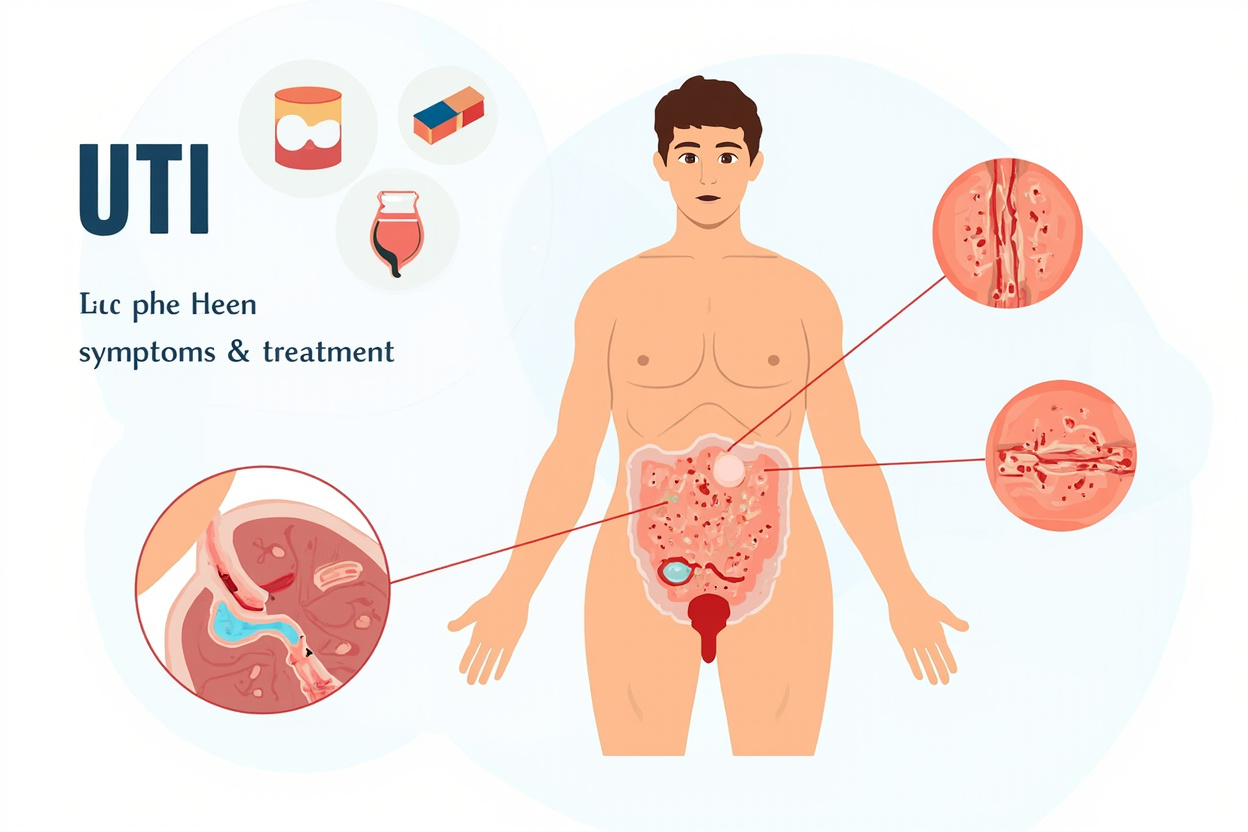
The Top 10 Signs You May Have a UTI
Recognizing UTI symptoms early can lead to faster treatment and fewer complications. Here are the ten most common signs that indicate you might be dealing with a urinary tract infection:
1. Burning Sensation During Urination
One of the most distinctive and common symptoms of a UTI is a painful burning sensation when you urinate. This discomfort typically occurs because bacteria have irritated the lining of the urethra. The burning can range from mild to severe and is often described as a scalding or stinging feeling that persists throughout the urination process and may continue briefly after you’ve finished.
This symptom alone should prompt you to consider speaking with a healthcare provider about prescription treatment options. Many patients describe the sensation as feeling like urinating broken glass, and it’s often accompanied by an urgent need to use the bathroom frequently.
2. Frequent Urge to Urinate Without Relief
If you find yourself running to the bathroom every few minutes but only producing small amounts of urine, you may be experiencing one of the hallmark symptoms of a UTI. The infection irritates the bladder, sending false signals that it’s full and needs emptying, even when it isn’t. This frustrating symptom can disrupt sleep, work, and daily activities, leaving you feeling exhausted and anxious about being far from a bathroom.
The frequency often leads to a cycle where you visit the bathroom frequently but don’t feel satisfied or relieved after urinating. This sensation occurs because the inflamed bladder walls are more sensitive to the pressure of urine, even in small amounts.
3. Cloudy, Dark, or Strong-Smelling Urine
Healthy urine is typically clear and pale yellow with a mild odor. When a UTI develops, you may notice significant changes in your urine’s appearance and smell. Cloudy urine indicates the presence of white blood cells fighting the infection, while dark or discolored urine can suggest concentrated urine or the presence of blood. A strong, foul, or unusually pungent odor is another common indicator that something is wrong in your urinary tract.
In some cases, you might even notice visible blood in your urine, which can appear pink, red, or cola-colored. While this can be alarming, it’s important to know that blood in the urine related to a UTI is typically not a severe issue and resolves with appropriate antibiotic treatment. However, any visible blood should be evaluated by a healthcare professional to rule out other potential causes.

4. Feeling of Incomplete Emptying of the Bladder
After urinating, people with UTIs often feel as though their bladder hasn’t fully emptied. This sensation occurs because the infection causes the bladder muscles to contract abnormally and creates a feeling of residual urine despite having just used the bathroom. This incomplete emptying can contribute to increased urgency and frequency, creating a frustrating cycle of bathroom visits with minimal relief.
This symptom can be particularly distressing as it may cause anxiety about leaving home or being in situations where bathroom access is limited. Many patients report this as one of the most disruptive symptoms affecting their quality of life during a UTI.
5. Pressure or Cramping in the Lower Abdomen
The inflammation and irritation caused by a UTI often produces noticeable pressure, cramping, or general discomfort in the lower abdomen, in the area just above the pubic bone. This pressure may feel similar to menstrual cramps or the sensation of bloating and can range from mild to severe. The discomfort may be constant or may come and go in waves, and it often intensifies as the infection progresses without treatment.
Some patients describe feeling as if there’s a weight or fullness in their lower belly, while others experience sharper cramping sensations. This symptom often becomes more noticeable when the bladder is full and may temporarily improve after urination, only to return again shortly thereafter.
6. Fatigue and General Malaise
When your body is fighting an infection, it’s normal to feel more tired than usual. The immune system’s response to the bacterial invasion can leave you feeling fatigued, achy, and generally unwell. This systemic response is your body’s way of redirecting energy toward fighting the infection, and it often comes with other flu-like symptoms that make you want to rest and recover.
The fatigue associated with UTIs can be more pronounced in older adults and may sometimes be the only symptom noticed, particularly in seniors who may not experience the typical urinary symptoms as strongly. This is why it’s important to consider non-specific symptoms like sudden fatigue, especially when combined with any changes in urinary habits.
7. Low-Grade Fever and Chills
While UTIs primarily affecting the bladder typically don’t cause high fevers, a low-grade fever (generally below 101°F or 38.3°C) can accompany a lower urinary tract infection. Chills and a general feeling of being feverish, even if your temperature isn’t elevated, are common as your body responds to the bacterial infection. These symptoms indicate that your immune system is actively fighting the infection and should be monitored closely.
If you develop a high fever (above 101°F), experience shaking chills, or notice that your fever is getting worse instead of better, this could indicate the infection has spread to your kidneys. Kidney infections (pyelonephritis) are more serious and require prompt medical attention, potentially including hospitalization for IV antibiotics.
8. Nausea and Digestive Disturbances
Many people don’t realize that UTIs can affect the digestive system, but nausea is actually a common symptom, especially when the infection is more advanced or has spread to the kidneys. The connection between the urinary and digestive systems, combined with the inflammatory response happening in the body, can trigger feelings of nausea, loss of appetite, and general digestive discomfort.
In some cases, patients may experience vomiting, particularly if the infection is severe or if they’re experiencing significant abdominal pressure and cramping. These symptoms should prompt immediate medical evaluation, especially if accompanied by fever or if the person is having difficulty keeping fluids down.
9. Back Pain or Flank Discomfort
Pain in the lower back or sides (the flank area) can indicate that a UTI has progressed to the kidneys. Unlike the lower abdominal pressure associated with bladder infections, flank pain typically feels deeper and more intense, often described as a dull ache or sharp discomfort on one or both sides of the spine below the ribcage. This pain may be constant or may come in waves, and it often feels worse with movement or pressure.
Kidney involvement requires prompt medical treatment to prevent permanent damage to the kidneys and to stop the infection from spreading further into the bloodstream. If you’re experiencing significant back pain along with fever and urinary symptoms, seeking urgent medical care for fast UTI treatment is essential.
10. Confusion or Cognitive Changes (Especially in Seniors)
In older adults, UTIs can sometimes present with unusual symptoms that aren’t typical in younger patients. Confusion, disorientation, agitation, or sudden changes in behavior can be signs of a UTI in elderly individuals. Family members and caregivers should be particularly vigilant for these symptoms, as older adults may not be able to communicate typical UTI complaints clearly.
Cognitive changes occur because the inflammation and infection can affect brain function, particularly in those with pre-existing conditions like dementia or Alzheimer’s disease. Any sudden change in mental status in an older adult should be evaluated by a healthcare professional, as UTIs are a common cause of delirium in seniors and can progress rapidly if left untreated.
When to Seek Immediate Medical Attention
While many UTIs can be treated effectively with oral antibiotics, certain symptoms indicate the need for immediate medical evaluation. These include:
- High fever (over 101°F) with shaking chills
- Severe flank pain indicating possible kidney infection
- Nausea and vomiting preventing oral intake
- Blood clots in the urine
- Symptoms in pregnant women
- Symptoms in infants or very young children
- Recurrent UTIs (more than three per year)
- Cognitive changes in elderly patients
If you experience any of these symptoms, don’t wait—seek medical care right away. For those with busy schedules, fast treatment options are available through telemedicine providers who can evaluate your symptoms and prescribe appropriate medications.
Modern UTI Treatment Options in 2025
The landscape of UTI treatment has evolved significantly, offering patients more convenient and effective options than ever before. Here’s a comparison of available treatment approaches:
| Treatment Method | Pros | Cons | Typical Duration |
|---|---|---|---|
| In-Person Doctor Visit | Full physical exam, urine culture possible | Requires appointment, travel time | Same day with appointment |
| Telemedicine Consultation | Convenient, from home, quick prescriptions | No physical exam, limited testing | Within hours |
| Urgent Care Center | Walk-in availability, X-ray available | May have wait time, higher cost | 1-3 hours |
| Pharmacy Walk-In Clinic | No appointment needed, often in retail stores | Limited scope of treatment | 30-60 minutes |
| At-Home Test Kits | Private, quick results | Cannot get prescription, may need follow-up | Immediate results |
The 3-Step Approach to Quick UTI Relief
Medical professionals often recommend a three-step approach to addressing UTIs promptly and effectively:
Step 1: Recognition and Testing
The first step involves recognizing symptoms early and confirming the infection through appropriate testing. This can include at-home urinalysis test strips or visiting a healthcare provider for a formal urine culture. Early recognition allows for faster treatment and prevents the infection from progressing to more serious complications.
Step 2: Antibiotic Treatment
The standard treatment for bacterial UTIs is a course of antibiotics. Commonly prescribed antibiotics include trimethoprim-sulfamethoxazole (Bactrim), nitrofurantoin (Macrobid), fosfomycin, and fluoroquinolones. The choice of antibiotic depends on factors including local resistance patterns, allergy considerations, and severity of symptoms. Most courses last 3-7 days, though some providers may recommend single-dose treatments.
Step 3: Symptom Management and Prevention
While antibiotics work to eliminate the infection, managing uncomfortable symptoms during recovery is important. Drinking plenty of water, avoiding irritants like caffeine and alcohol, using heating pads for discomfort, and urinating frequently can all help. After the infection clears, preventive measures like proper hydration, urinating after intercourse, and avoiding tight clothing can reduce recurrence risk.
For a streamlined treatment process, many patients are turning to comprehensive UTI treatment programs that guide you through these 3 steps and connect you with healthcare providers who can prescribe appropriate medications.
Frequently Asked Questions About UTI Symptoms and Treatment
Q1: How quickly do UTI symptoms develop after an infection begins?
A: UTI symptoms can appear within 1-2 days of bacterial multiplication in the urinary tract. Some people may notice symptoms as early as several hours after exposure, while others might not experience noticeable symptoms for several days. The speed of symptom development depends on the individual’s immune response and the virulence of the infecting bacteria. This variability is why paying attention to even subtle changes in urinary habits is important.
Q2: Can UTIs go away on their own without antibiotics?
A: While some very mild UTIs may resolve spontaneously, most infections require antibiotic treatment to fully clear. Untreated UTIs can progress to more serious kidney infections and may cause permanent damage to the urinary tract. Studies have shown that untreated UTIs have a significant risk of recurrence and complication. It’s always advisable to consult a healthcare provider rather than waiting to see if symptoms resolve on their own.
Q3: What’s the difference between a UTI and a bladder infection?
A: Technically, a bladder infection (cystitis) is a type of UTI, as UTIs can affect any part of the urinary system. Lower UTIs typically involve the bladder and urethra, while upper UTIs affect the kidneys and ureters. The term “UTI” is used broadly to describe any bacterial infection in the urinary tract, while “bladder infection” specifically refers to infection in the bladder. Symptoms and treatment approaches are generally similar for both conditions.
Q4: Are there any home remedies that can help with UTI symptoms while waiting for antibiotics?
A: Several home measures can provide symptomatic relief while waiting for antibiotics to work. Drinking plenty of water helps flush bacteria from the urinary tract. Avoiding bladder irritants like caffeine, spicy foods, alcohol, and artificial sweeteners can reduce discomfort. Using a heating pad on the lower abdomen can ease cramping and pressure. Some evidence suggests that unsweetened cranberry products may help prevent bacteria from adhering to the bladder wall, though they cannot cure an existing infection.
Q5: How can I tell if my UTI has turned into a kidney infection?
A: Kidney infections typically present with more severe symptoms than lower UTIs, including high fever (over 101°F), severe flank pain on one or both sides, nausea and vomiting, and pronounced fatigue. If you experience any of these symptoms along with urinary symptoms, seek medical attention immediately. Kidney infections require prompt antibiotic treatment, sometimes through IV administration in a hospital setting, to prevent serious complications including sepsis or permanent kidney damage.
Don’t Wait – Get UTI Treatment Today
If you’re experiencing UTI symptoms, don’t suffer in silence. Modern telemedicine options make it easier than ever to get fast, effective treatment from the comfort of your home.
Get Prescription Treatment
Speak to a Doctor
Fast UTI Relief
3-Step Treatment Plan
Urgent Care Options
Prevention Tips to Avoid Future UTIs
After experiencing a UTI, many people want to know how to prevent future infections. While not all UTIs are preventable, the following strategies can significantly reduce your risk:
Hydration and Bathroom Habits
Drinking adequate water daily (typically 8-10 glasses) helps flush bacteria from your urinary system before it can establish an infection. Don’t delay when you feel the urge to urinate—holding urine allows bacteria to multiply. Empty your bladder completely each time and consider urinating every 2-3 hours during the day, even if you don’t feel an urgent need.
Hygiene Practices
For women, wiping from front to back after using the toilet prevents bacteria from the anal region from reaching the urethra. Avoid using scented feminine products, douches, or harsh soaps in the genital area, as these can disrupt natural bacterial balance. Wearing breathable cotton underwear and avoiding tight-fitting pants also helps maintain genital health.
After Intercourse
Urinating after sexual activity helps flush any bacteria that may have been introduced near the urethral opening. This is particularly important for women who experience recurrent UTIs related to sexual activity. Some healthcare providers recommend drinking a full glass of water after intercourse to help with this flushing action.
Conclusion
Recognizing the signs of a UTI early is essential for prompt treatment and preventing complications. From the burning sensation during urination to fatigue and cognitive changes in seniors, understanding these ten warning signs can help you seek appropriate care quickly. In 2025, treatment options have never been more accessible, with telemedicine and pharmacy-based clinics providing convenient paths to prescriptions and relief.
If you’re experiencing any of these symptoms, don’t hesitate to explore your treatment options. Whether you choose an in-person visit or a convenient online consultation, getting started on appropriate treatment early is the key to a faster recovery. Your health matters—take action today and get back to feeling like yourself again.
Leave a Reply